South Africa Households Resilience Rises as Jobs Fall
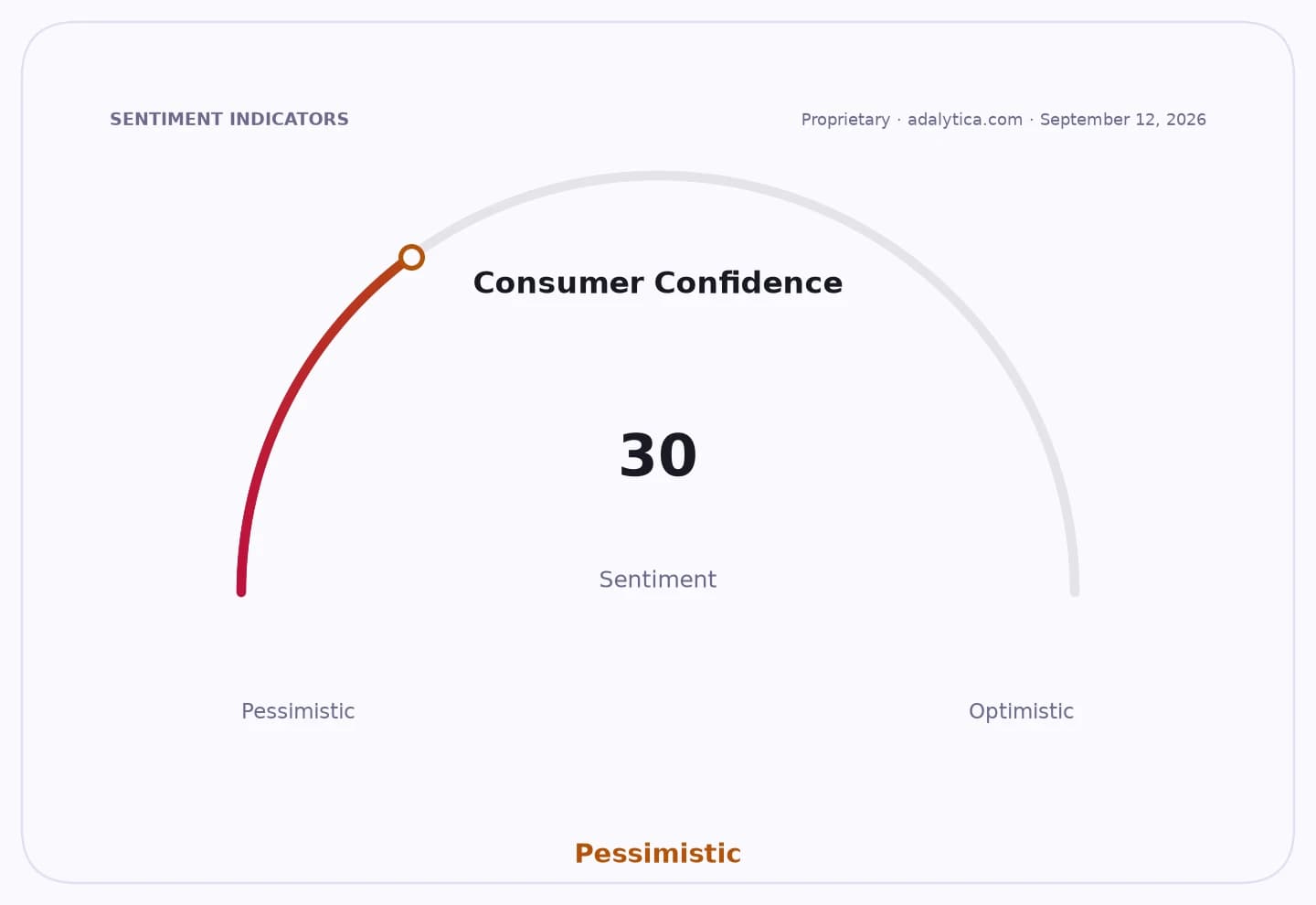
South Africa’s household recovery is looking increasingly vulnerable as a loss of 190,000 formal-sector jobs in the first quarter starts to overwhelm a still-improving balance-sheet picture.
The latest Altron FinTech Household Resilience Index rose for a seventh straight quarter, pointing to some healing in household finances after years of pressure. But the improvement is being undercut by weaker income generation, with fewer workers earning paychecks and more consumers dipping into savings to cover basic expenses. That combination matters because South Africa’s consumption-led recovery depends on employed households maintaining spending power; once job losses accelerate, the recovery can stall quickly.
The pressure is already showing up in behavior. Life insurance policy surrenders climbed 24%, a sign households are liquidating long-term savings to fund day-to-day spending. That is economically important because it suggests resilience is being supported less by rising earnings and more by financial depletion. In other words, households may still be standing, but they are becoming less able to absorb future shocks.
The report’s warning that higher interest rates could put the recovery at risk adds another layer of strain. Elevated borrowing costs bite hardest when employment is weak, because they raise the cost of servicing debt just as paychecks become less secure. At the same time, the report argues that further rate cuts could ease some of the pressure on stretched consumers, offering a counterweight to the labour-market drag.
For investors, the split between a better resilience index and a worsening jobs backdrop is the key read-through. Banks, retailers and insurers may benefit if rate cuts eventually support disposable income and lower credit stress, but a deteriorating employment picture would likely cap any rebound in consumer demand and increase arrears, claims and policy lapses. South African equities tied to the domestic consumer have already been sensitive to the balance between policy relief and income insecurity, and the latest data suggests that tension remains unresolved.
The broader narrative is that South Africa’s households are recovering on paper faster than they are recovering in cash flow. That leaves the economy exposed to another round of weakness unless employment stabilizes or monetary policy eases enough to offset the hit to incomes. The next catalysts will be whether job losses persist into the second quarter and whether the Reserve Bank turns more supportive in response to a fragile consumer backdrop.
| Entity | Gains | Losses |
|---|---|---|
| Households with savings | ▲Temporary spending buffer | ▼Long-term financial security |
| Jobless workers | ▲None | ▼Income and consumption power |
| Banks and retailers | ▲If rate cuts lift demand | ▼If arrears and sales soften |
| Insurers | ▲Higher policy surrender activity | ▼Lower retention and long-term premiums |