South Africa IDC writes off over R1bn to South African Steel Mills
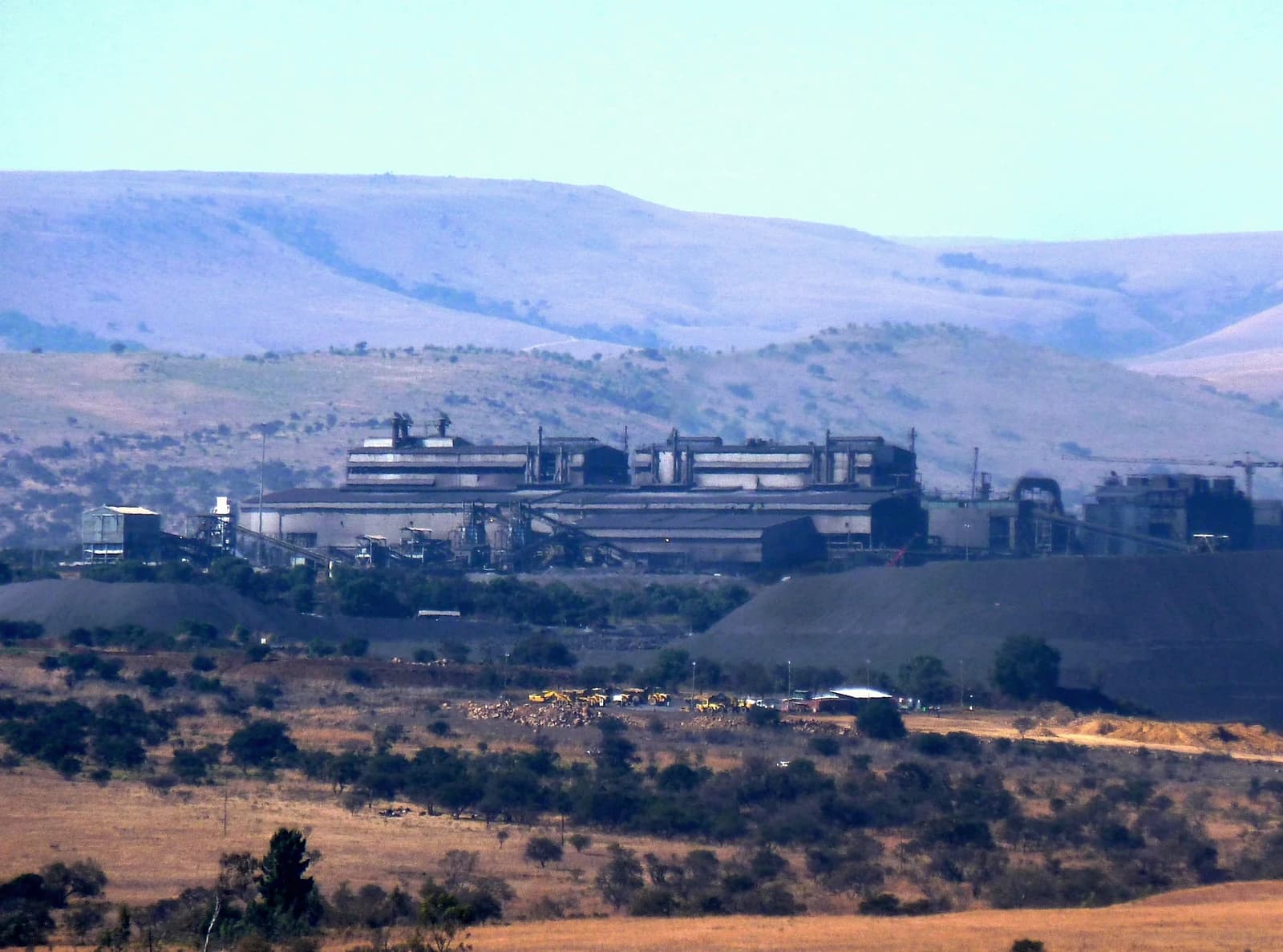
South Africa’s Industrial Development Corporation has agreed to write off more than R1bn in loan funding to local steel maker South African Steel Mills, underscoring the strain on a sector hit by weak demand, high costs and persistent operational pressure.
The loss matters because the IDC is a state-backed lender that often plays a countercyclical role in keeping industrial assets alive. A write-off of this size suggests the debt is unlikely to be recovered in full and raises questions about how much public capital can be absorbed by struggling manufacturers before the state has to choose between supporting jobs and protecting its balance sheet.
For investors, the development is another warning signal for South Africa’s heavy industry and for lenders exposed to cyclical manufacturing credits. It points to a sector where asset values are under pressure and where refinancing risk can quickly turn into permanent capital losses, especially when power, logistics and demand conditions remain weak.
The move also fits a broader pattern of governments stepping in to ease corporate and regional debt burdens when industrial activity is under stress. In South Africa, that means continued scrutiny of state support for strategically important but financially fragile businesses, especially those tied to employment and local supply chains.
The IDC decision may buy time for the domestic steel sector, but it also raises the bar for any turnaround at SASM and for other borrowers relying on state-linked funding. Investors will be watching for whether the write-off leads to restructuring, asset sales or further intervention across the steel value chain.
| Entity | Gains | Losses |
|---|---|---|
| SASM | ▲Debt burden reduced | ▼Reputation and access to credit |
| IDC / South African state | ▲Potential industrial stability | ▼R1bn-plus capital loss |
| Steel workers / local supply chain | ▲Near-term operating relief | ▼Ongoing uncertainty |
| Private lenders / bondholders | ▲Lower systemic pressure if restructuring follows | ▼Higher perceived credit risk |