South Africa Unemployment Rises to 33.6%
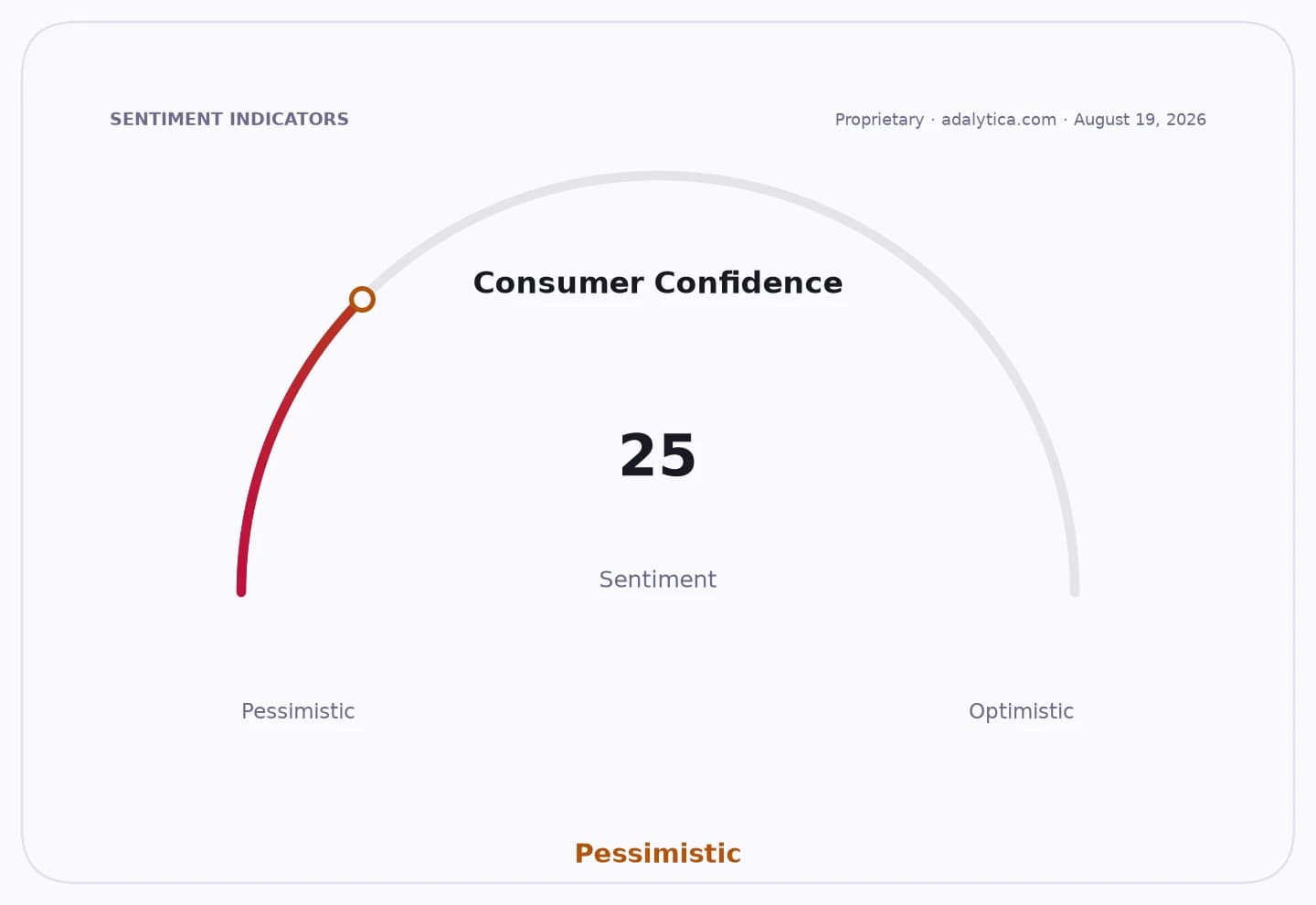
South Africa’s unemployment rate jumped to 33.6% in the second quarter, underscoring a labor market that is not absorbing workers fast enough and is forcing more people to look for extra jobs or settle for underemployment.
The increase from 32.7% in the first quarter matters because it confirms that the economy is not merely adding jobs slowly — it is losing ground relative to a growing pool of people seeking work. That dynamic leaves household incomes under pressure, restrains consumer spending and complicates any recovery in domestic demand. It also raises the odds that wage growth will stay subdued, even as living costs remain sticky, because workers have less bargaining power in a saturated labor market.
The jump in joblessness is especially damaging for younger workers, who typically face the steepest entry barriers and are most likely to cycle between part-time work, informal activity and job searches that stretch for months. In practical terms, that means more households relying on second incomes, more people taking on multiple jobs and more consumers trading down on discretionary purchases.
For policymakers, the numbers are a rebuke to promises of rapid job creation. A pledge to add 100,000 jobs can help politically, but it does little to offset an unemployment rate above one-third of the labor force. The gap between rhetoric and labor-market reality suggests that growth remains too weak, too uneven or too capital-intensive to generate enough employment at scale.
Investors should care because high unemployment is not just a social problem; it is a direct drag on corporate revenues in consumer-facing sectors. Retailers, banks, telcos and discretionary names are all exposed to a labor market where wage income is fragile and job security weak. That can support defensive consumption categories but weigh on higher-margin discretionary spending, credit quality and loan growth over time.
There is also a market angle. South Africa’s persistent labor slack strengthens the case for a cautious domestic growth outlook and keeps attention on sectors less dependent on household demand. The broader picture is of an economy where employment is lagging output potential, leaving any recovery vulnerable to shocks from weak demand, fiscal strain or further job losses in key industries.
The near-term focus will be on whether government job programs, sector-specific hiring and any pickup in activity can slow the deterioration. Until then, the main narrative is not simply that unemployment is high, but that the labor market is saturated enough to push more workers into second jobs, underemployment and informal work.
| Entity | Gains | Losses |
|---|---|---|
| Workers with multiple incomes | ▲Extra earnings | ▼Time, stability |
| Consumer staples retailers | ▲Defensive demand | ▼Discretionary spending |
| South African policymakers | ▲Pressure to act | ▼Credibility on jobs |
| Domestic employers | ▲Lower wage pressure | ▼Weaker consumer demand |