South African rand firms as USD/ZAR trades at 16.36
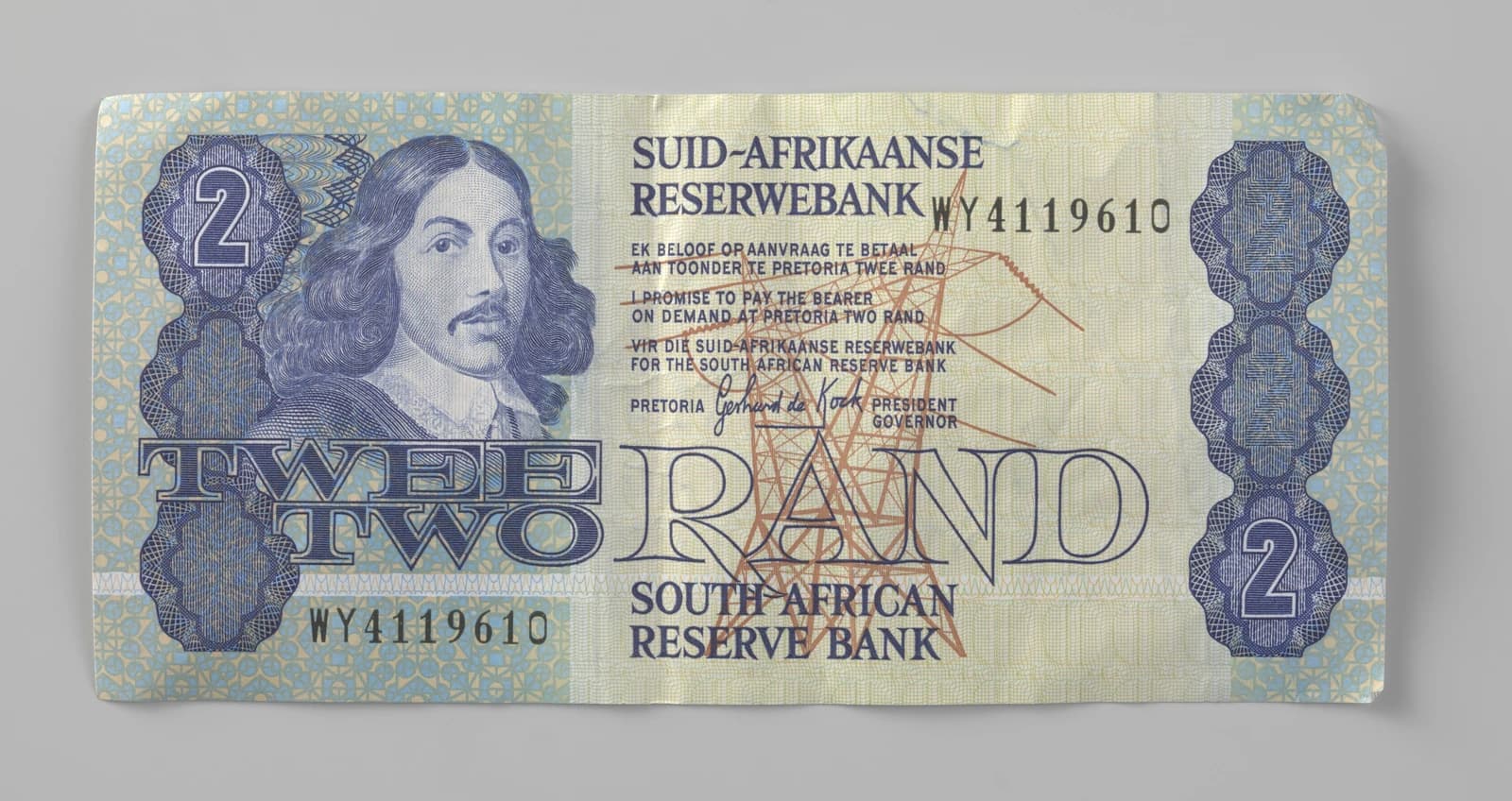
The South African rand has given back some of its recent gains against the dollar, but the broader trend still points to a firmer currency as falling U.S. yields and a softer dollar keep support under emerging-market assets.
USD/ZAR rose to 16.36 on Aug. 6 from 16.31 the day before, reversing part of the rand’s climb that had taken the pair down from 16.77 in March and 17.22 in October last year. Even after the latest bounce, the rand remains well below weaker levels seen earlier in the year, and the technical picture still leans constructive: the pair is trading just under its 200-day moving average, while the 50-day average remains close by, suggesting the move higher is more of a correction than the start of a sustained trend change.
The macro backdrop continues to favor the rand relative to many peers. U.S. Treasury yields have eased, with the 10-year note at 4.63% on Aug. 4 after recent trading around 4.7%-4.75%, and the 2-year at 4.20%, both well below the peaks seen earlier in the cycle. A lower U.S. rate backdrop typically reduces the appeal of the dollar and supports carry-sensitive currencies such as the rand. The dollar index also remains below March highs, recently at 99.94, after touching above 100 earlier in the year.
That matters for South Africa because the rand is highly sensitive to global risk appetite, commodity prices and the yield gap with the U.S. A stronger rand can ease imported inflation, particularly for fuel and food, and can help the South African Reserve Bank keep policy tighter without adding as much pressure on households and corporates. It also tends to improve the outlook for local assets, from government bonds to equities, by reducing the currency risk premium investors demand.
For investors, the key question is whether the rand’s resilience can last. On one hand, the recent decline in U.S. rates and a retreat in the dollar suggest the external environment is not yet hostile. The rand’s technical readings are mixed but not clearly bearish: RSI has slipped toward the high-40s, which points to cooling momentum rather than a decisive breakdown, while price remains near the middle of its recent trading range. On the other hand, the pair is still vulnerable to renewed dollar strength if U.S. data surprises on the upside or if geopolitical stress lifts demand for safe-haven assets.
The broader narrative is that USD/ZAR is drifting higher in the short term, but the rand’s underlying uptrend remains intact for now. Unless the dollar regains broad momentum or global risk sentiment deteriorates, rallies in USD/ZAR may continue to be met by selling interest rather than marking a lasting reversal.
| Entity | Gains | Losses |
|---|---|---|
| South African rand | ▲Supports local assets | ▼Faces short-term pullback |
| U.S. dollar | ▲Recovers modestly | ▼Remains under pressure |
| South African importers | ▲Lower imported costs | ▼— |
| South African exporters | ▲— | ▼Stronger rand trims revenues |