South African retailers boost basket sizes with tactics
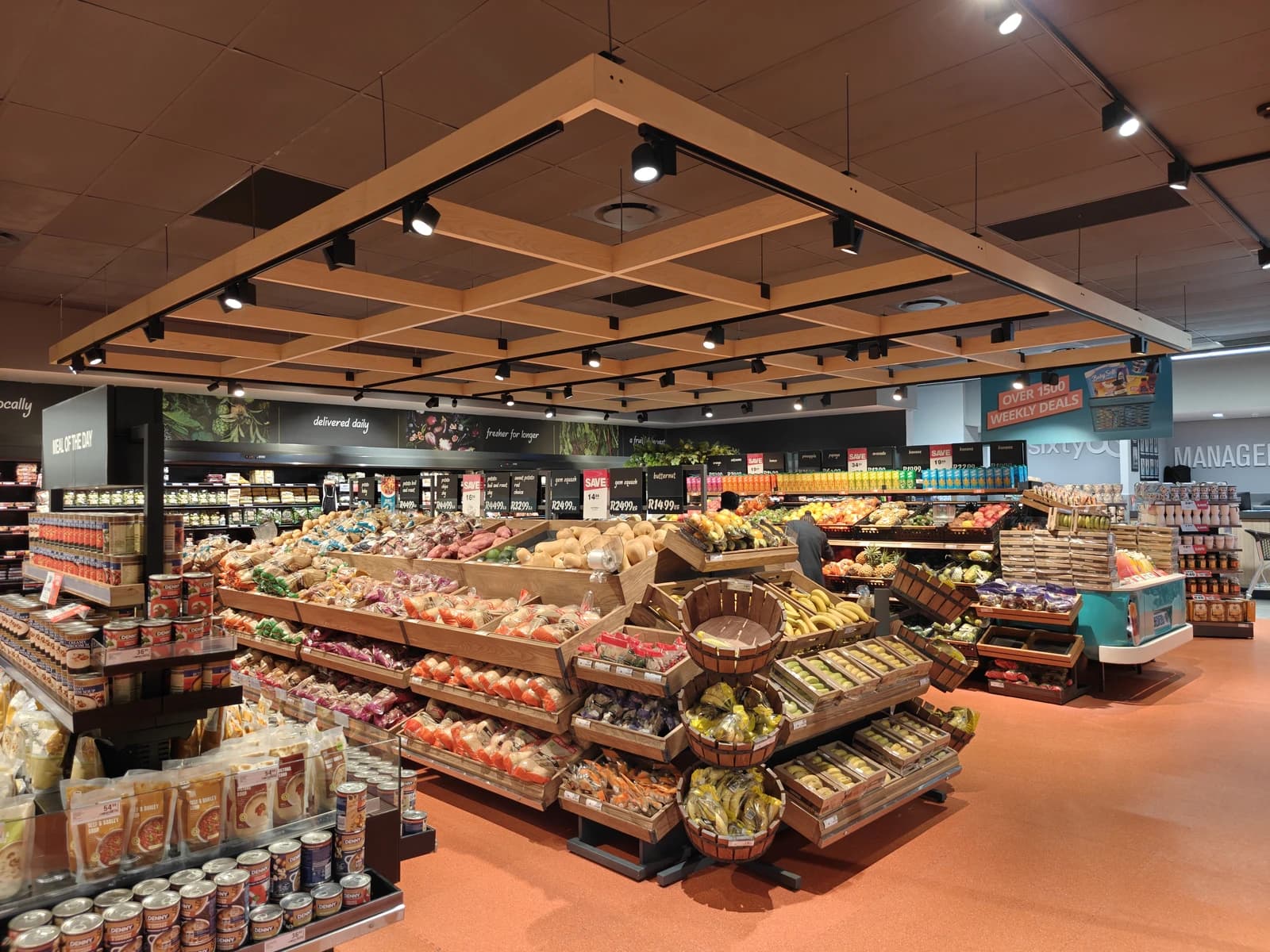
South African retailers are squeezing more sales out of cash-strapped shoppers by using store design, pricing tricks and loyalty data to nudge what ends up in the trolley, a playbook that matters more as households count every rand.
The strategy is economically significant because it helps chains protect revenue even when real spending power is under pressure. It also shows how fiercely retailers are competing for a smaller discretionary spend, with destination items such as bread and milk deliberately moved to the back of stores to expose shoppers to more impulse buys along the way.
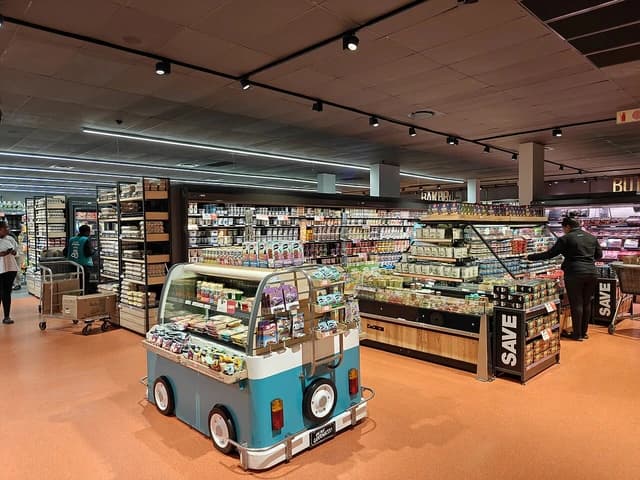
The tactics are simple but effective. Shelf placement, larger trolleys, checkout sweets, scent marketing and planograms all aim to keep customers in stores longer and spend more than they intended. In a tight household budget environment, that means the battle for basket size can be won not only on price, but on psychology.
The most profitable shelf space remains around eye level, roughly 1.5 metres from the floor, where manufacturers are willing to pay slotting fees to secure visibility. Cheaper house brands and bulk packs are often pushed lower down, while premium products are placed higher, forcing price-sensitive shoppers to work harder to find value.

That matters to investors because it speaks to margin management in a market where consumers are trading down, comparing unit prices and leaning on loyalty schemes. Retailers that can combine sharper merchandising with data-rich rewards programs are better positioned to defend traffic, preserve basket values and keep competitors from stealing share.
The broader consumer backdrop remains cautious. South African households are still under pressure from inflation and uneven income growth, which makes techniques that drive add-on purchases more valuable for supermarkets and more costly for shoppers who are not watching every shelf.
For investors, the key question is whether retailers can turn that behavioural edge into sustained volume and margin gains without alienating increasingly price-sensitive customers. The next tests will come from trading updates, promotional intensity and whether consumers continue to prioritize value over convenience.
| Entity | Gains | Losses |
|---|---|---|
| Major retailers | ▲Higher basket sizes | ▼Consumer goodwill if tactics feel aggressive |
| Households | ▲Loyalty discounts, bulk savings | ▼More impulse spending |
| Manufacturers | ▲Premium shelf visibility | ▼House brands and cheaper labels |
| Value shoppers | ▲Lower unit-price comparisons | ▼Shoppers who ignore price cues |