South China Sea bases raise defense and shipping risk
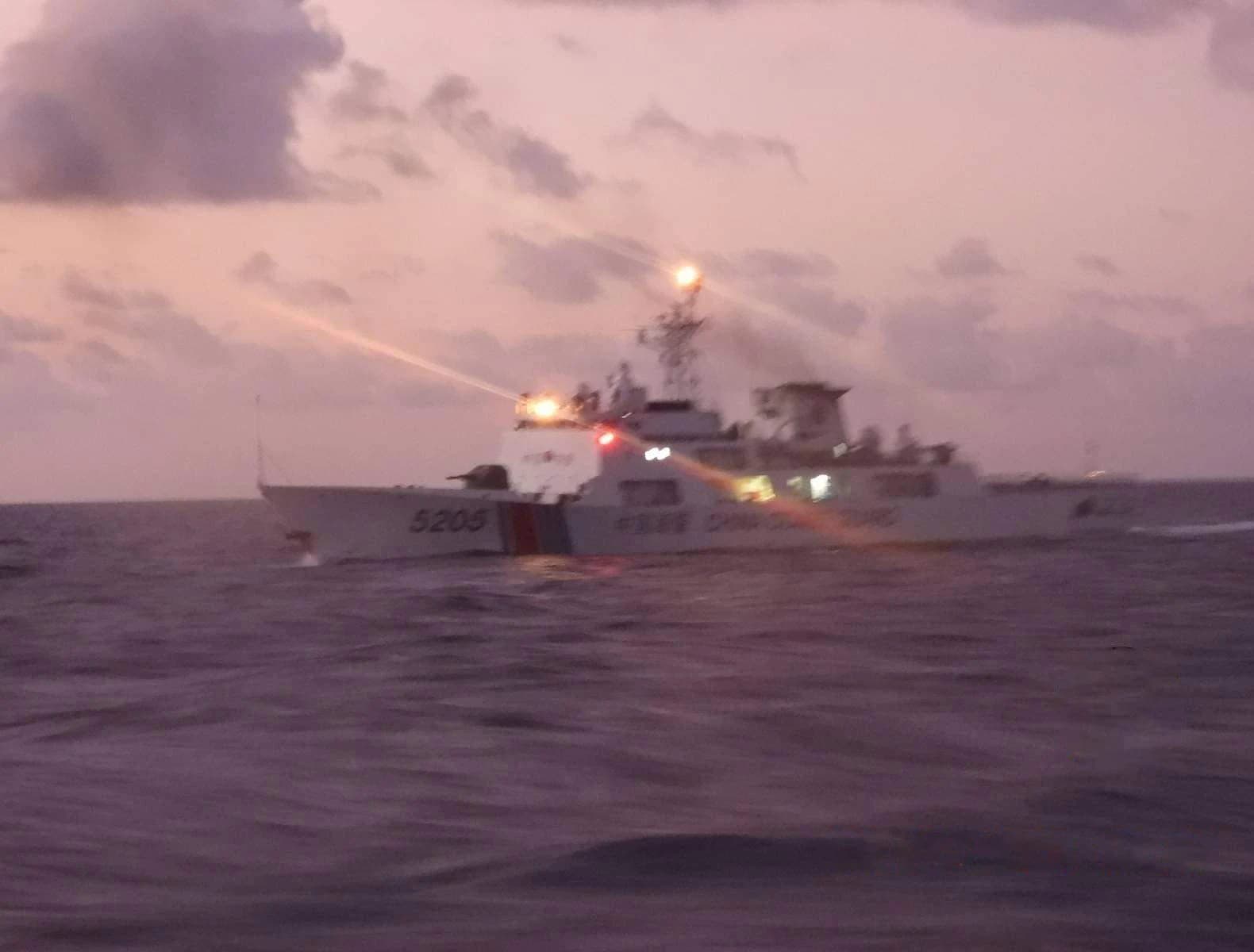
China’s push to build out island bases in the South China Sea is no longer just a territorial dispute — it is a bid to lock in control over one of the world’s most strategically important shipping lanes, mineral zones and military corridors. For investors, that means the region’s escalation is starting to price in a longer cycle of defense spending, maritime security upgrades and higher operating risk for global trade routes.
The economic stakes are larger than the map suggests. The South China Sea carries roughly a third of global shipping, so every new runway, radar site or logistics node Beijing adds raises the cost of doing business for exporters, importers and insurers. It also gives China more leverage over sea lanes that matter to energy flows, container traffic and access to undersea resources — a mix that helps explain why the issue keeps resurfacing even as diplomatic tensions flare and fade.
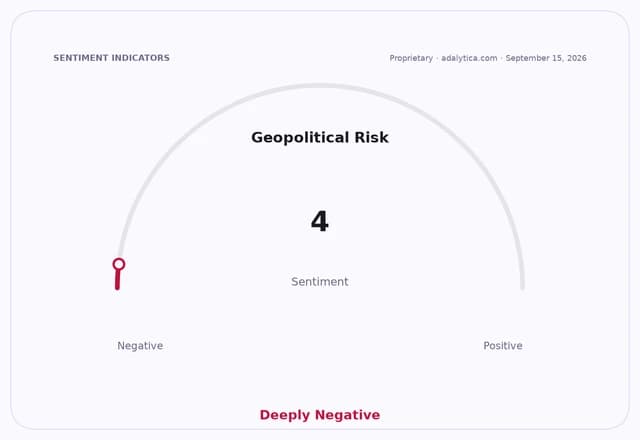
The market is beginning to reflect that reality. Global stability sentiment in Adalytica’s framework has plunged to “Extreme Fear,” while the U.S.-China relations gauge remains only neutral, a combination that points to a market that is alert but still underpricing how persistent this contest may become. That is precisely where the opportunity sits: not in chasing headlines, but in positioning for the second-order effects of militarized maritime competition.
Northrop Grumman, Lockheed Martin and other Western defense primes stand to benefit as Washington and its allies respond with more surveillance, missile defense, maritime patrol and shipbuilding investment across the Indo-Pacific. Northrop’s shares have climbed to $531.25 from $509.97 in late July, even after a recent pullback, while Maersk has surged from a September low near 22,330 Danish kroner to 23,300 kroner, underscoring how shipping investors are already treating geopolitical friction as a real cost input, not an abstraction.
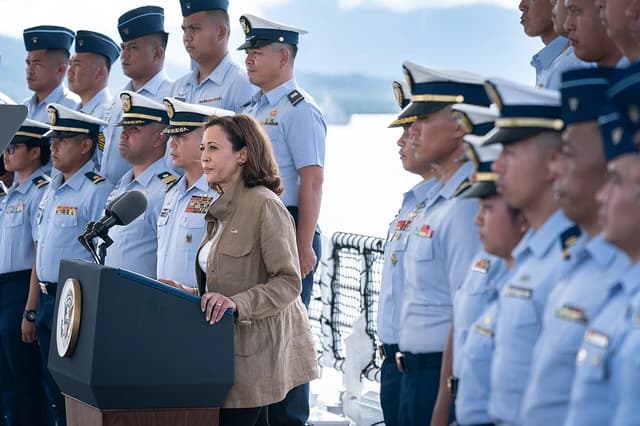
I believe the market underestimates how structural this theme is. Beijing is not merely signaling; it is building. That means a multi-year capex cycle in defense, logistics hardening and maritime monitoring, with spillover demand for satellite coverage, autonomous systems, port security and underwater sensing. The best asymmetry is in the picks-and-shovels names that sell to governments and carriers regardless of which flag controls the reef.
If the South China Sea remains a contested industrial corridor rather than a one-off flashpoint, investors should keep leaning into defense, maritime security and supply-chain resilience — and treat every new island base as another reason to own the infrastructure that protects trade, not the trade itself.
| Entity | Gains | Losses |
|---|---|---|
| China | ▲Strategic reach | ▼Diplomatic trust |
| U.S. defense primes | ▲Higher orders | ▼Peace dividend |
| Shipping firms | ▲Security demand | ▼Route risk |
| Regional rivals | ▲Security budgets | ▼Maritime leverage |