South China Sea Collision Raises Trade Risk
A collision between a Chinese coast guard ship and a Philippine fisheries vessel in the South China Sea has sharpened the geopolitical risk around one of the world’s busiest trade routes, with the latest encounter underscoring how quickly maritime disputes between Beijing and Manila can spill into markets.
The economic significance goes beyond the immediate diplomatic fallout. The South China Sea sits astride shipping lanes that carry a large share of Asian energy, industrial inputs and consumer goods, so repeated incidents increase the odds of disruption, higher insurance costs and a more persistent military posture from both sides. That risk is hard to price into day-to-day trade, but it matters for supply chains, regional investment and the broader stability premium attached to China-facing assets.
According to the reports, the Chinese coast guard vessel struck the Philippine fisheries ship twice, and neither side gave way. Manila framed the episode as aggression; Beijing said the Philippines was at fault. The dispute fits a pattern of increasingly assertive encounters in contested waters, where both governments use maritime patrols to signal resolve without tipping into open conflict.
For investors, the immediate effect is likely to be a modest lift in the geopolitical hedge embedded in Asia assets rather than a direct market shock. Still, the episode reinforces the case for caution in sectors exposed to shipping, commodities and regional trade. Chinese equities, as measured by the FXI exchange-traded fund, have been trading below their 200-day moving average and remain fragile, a sign that investors are not paying up for policy or geopolitical comfort. Hong Kong-listed stocks, tracked by EWH, are holding near their long-term average but have shown little conviction. Honeywell, whose industrial and aerospace businesses are sensitive to global logistics and defense spending, has also been trading with a mixed technical backdrop in PH shares, highlighting how cross-border friction can filter unevenly through capital markets.
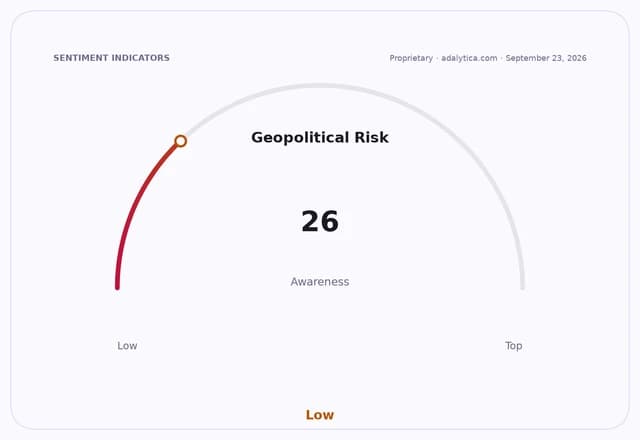
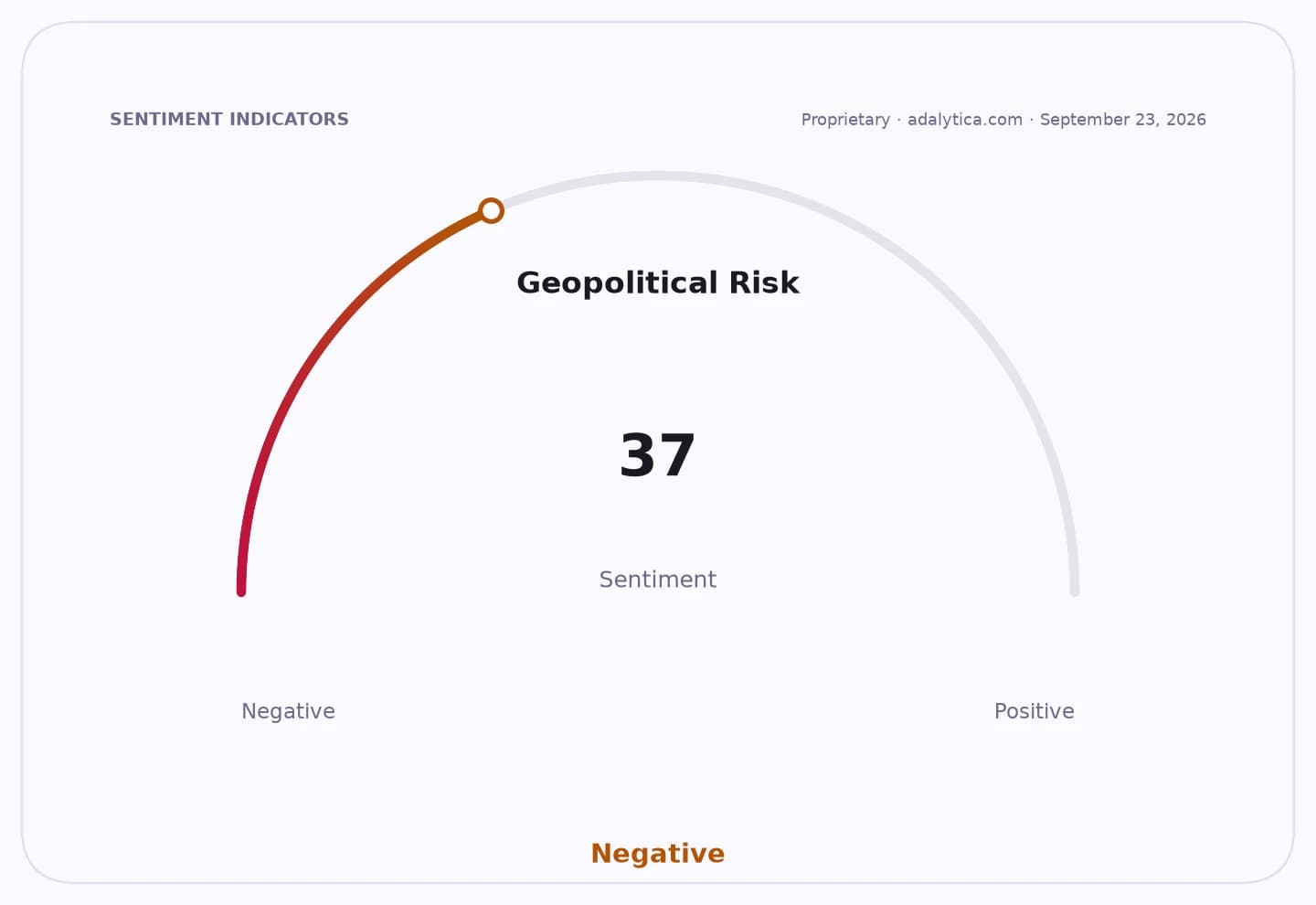
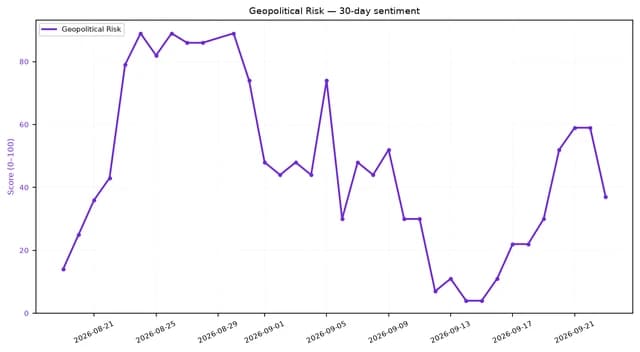
Adalytica’s Global Stability Sentiment gauge has slipped to 37, in neutral territory but with awareness in fear, while its US–China Relations Sentiment remains elevated at 100, suggesting markets are already alert to the broader strategic rivalry even if this specific confrontation does not yet look systemic. That matters because repeated incidents can gradually shift expectations around maritime security, defense budgets and regional alliance spending, especially if Washington is drawn in more visibly.
The most likely near-term outcome is not a rupture but a round of diplomacy, public condemnation and possibly more coast guard activity. The bull case for markets is that both governments still have incentives to contain the dispute and preserve trade flows. The bear case is that each new encounter normalizes risk, raising the odds of miscalculation and pushing up the cost of doing business in and around the South China Sea.
| Entity | Gains | Losses |
|---|---|---|
| Philippines | ▲Domestic resolve | ▼Maritime safety |
| China | ▲Territorial signaling | ▼Regional trust |
| Shipping insurers | ▲Higher premiums | ▼Greater claims risk |
| Asia exporters/importers | ▲Less clarity | ▼Supply-chain uncertainty |