South Korea banks face rising insolvencies
South Korea’s banking sector is being squeezed by a fresh wave of insolvencies topping KRW 7 trillion, even as corporate lending continues to expand, underscoring a credit cycle that is turning more demanding for lenders and borrowers alike.
The combination matters because rising defaults and stronger loan growth usually move in opposite directions for bank profitability. More lending can support earnings and market share, but if a larger share of that credit book turns sour, the benefits are quickly offset by higher provisions, tighter underwriting and weaker capital efficiency. For investors, that means the headline growth in corporate loans is less important than the mix of those loans, the pace of non-performing assets and the size of future credit-loss charges.
The pressure is not isolated to one lender. In South Korea, commercial banks have been pushed to cut lending rates under government direction, a move intended to ease debt service burdens as outstanding obligations climb. That policy response can support stressed borrowers in the short term, but it also risks compressing net interest margins at exactly the moment banks need more cushion against credit deterioration. The result is a narrower runway for profitability if defaults keep rising.
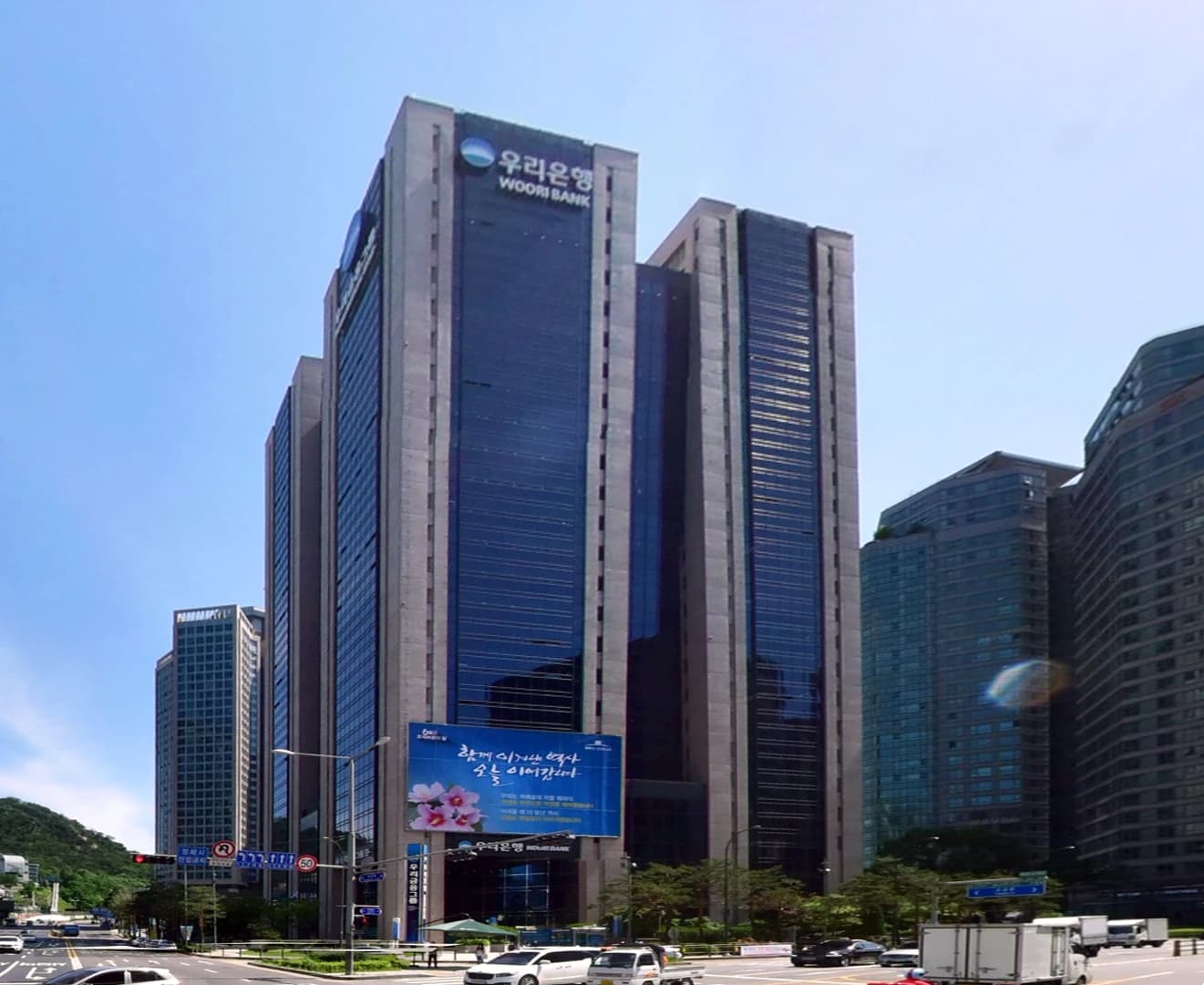
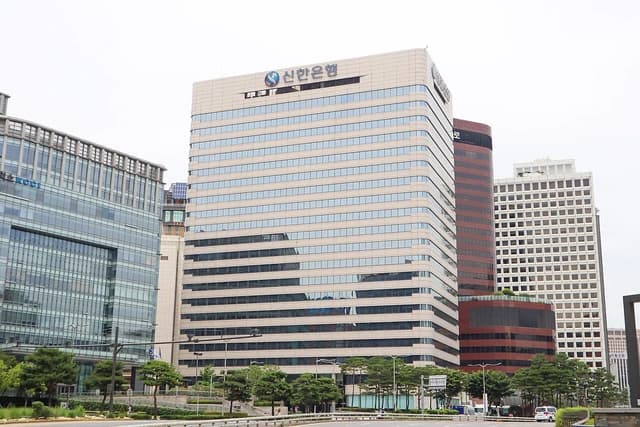
Recent disclosures point to a sector still carrying substantial corporate exposure. KB Financial and Shinhan Financial have both reported large exposures to major corporate groups and significant non-performing loan disclosures in filings this month, a reminder that the stress is concentrated in the corporate and conglomerate lending channels that traditionally anchor Korean banks’ balance sheets. Woori Financial, meanwhile, has also flagged elevated impairment losses tied to credit losses, reinforcing the view that asset quality is becoming the key swing factor for the sector.
Market action has reflected that tension. Bank shares have stayed well above their long-term moving averages, but the recent pullback from earlier highs suggests investors are no longer paying purely for loan growth. The technical backdrop — with some names still extended versus their 50-day averages — implies the rally has room to cool if credit costs worsen. A market already marked by “fear” in broader U.S. equity sentiment and extreme caution in the dollar adds to the defensive tone for risk assets globally, even if the direct impact on Korean banks remains driven by domestic credit conditions.
The bull case is that South Korean lenders are still beneficiaries of a structurally important corporate credit franchise and can absorb a measured rise in delinquencies through stronger pricing, fees and diversified income. The bear case is that the current round of insolvencies marks a broader deterioration in repayment capacity, forcing banks into a slower growth, higher-provision environment just as rate cuts limit their ability to reprice risk.
For investors, the next test is whether corporate loan growth can keep offsetting the drag from defaults, or whether asset-quality costs begin to dominate earnings revisions. If insolvencies keep climbing above the current threshold, bank balance sheets may remain under pressure even before any broader economic slowdown fully shows up in reported results.
| Entity | Gains | Losses |
|---|---|---|
| Corporate borrowers | ▲Lower loan rates | ▼Higher scrutiny |
| South Korean banks | ▲Loan growth | ▼Credit-loss risk |
| Investors in banks | ▲Earnings visibility if defaults stabilize | ▼Margin pressure if rates fall |
| Regulators/government | ▲Debt relief progress | ▼Less room to ignore credit stress |