South Korea to widen first-time homebuyer mortgage access
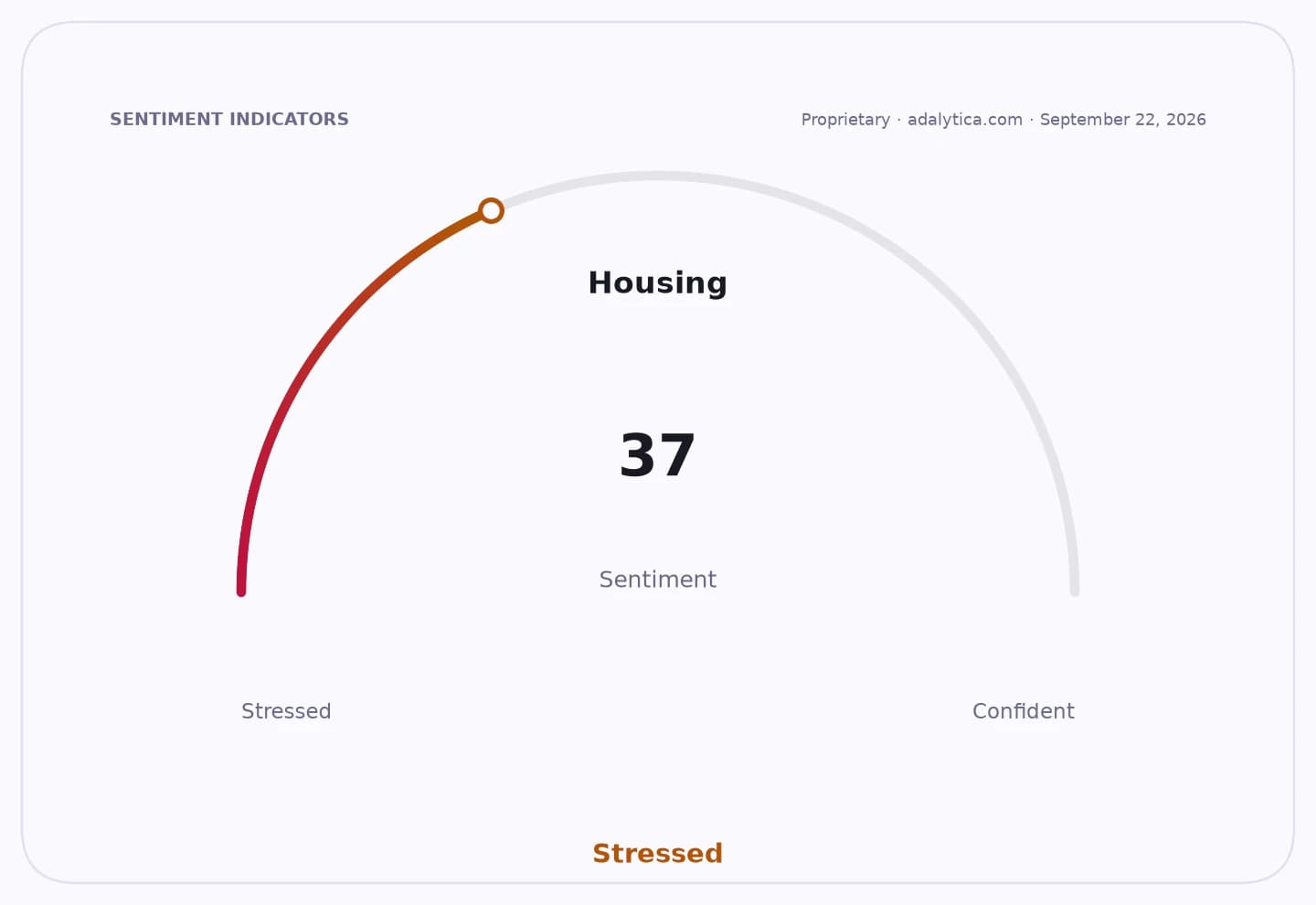
South Korea is preparing to widen access to first-time homebuyer mortgages by spelling out when people with a prior housing record can still qualify for the preferred loan-to-value limits, a move that could ease financing for real users caught up in inheritance and failed presale cases.
The financial regulator plans to issue an official interpretation of the “unavoidable reasons” that allow borrowers to receive first-time homebuyer mortgage rules even if they once owned property, according to local reports. The clearest impact will be in Seoul and other regulated areas, where the first-time LTV can reach 70%, and in non-regulated areas, where it can reach 80%.
That matters because banks have been reluctant to make judgment calls without explicit guardrails. Lenders feared that if they approved an exception on their own, supervisors could later question the decision during inspections, leaving institutions to err on the side of caution and block borrowers who may have had no real choice in the earlier property ownership.
The regulator’s guidance is expected to cover cases such as inherited fractional ownership from childhood and presale rights tied to projects that ultimately fell through. It is also likely to allow borrowers who inherited a home share, disposed of it, and then apply for a first-time mortgage to be reviewed by a bank credit committee.
The timing is important for Korea’s housing market, where first-time buying has surged even as affordability remains under pressure. In Seoul, first-time buyers registered 9,343 apartment, rowhouse and officetel purchases last month, the highest since August 2020, while first-time buyers accounted for 53.8% of all registered apartment-type properties, the highest share since the statistic began in 2010.
For investors, the story cuts across banks, mortgage lenders, builders and housing-related equities. Clearer rules could support transaction volumes and financing demand at the margin, especially among genuine end users, while reducing compliance ambiguity for lenders. It also gives policymakers a way to target support more precisely without reopening broad housing-credit risk.
The broader policy message is that owning property at some point will no longer automatically disqualify a borrower from first-time homebuyer benefits if that ownership came through inheritance or another involuntary event. The same framework is being applied more narrowly to jeonse lending, where exceptions remain possible for cases such as parental care or job relocation, but the main focus is on drawing a clearer line around who qualifies for relief.
That should help banks process applications faster and may keep demand moving in a market where mortgage rates near 7% and affordability remains stretched. The next catalyst will be the regulator’s formal ruling and how strictly banks apply the new exception standards in inspections and loan approvals.
| Entity | Gains | Losses |
|---|---|---|
| First-time homebuyers with involuntary ownership history | ▲Easier mortgage access | ▼Fewer rejected applications |
| Banks | ▲Clearer underwriting rules | ▼Less discretion in approvals |
| Seoul/regulated-area housing market | ▲More qualified demand | ▼Tighter exception scrutiny |
| Potential buyers without eligible status | ▲No direct benefit | ▼Continued financing constraints |