South Korea Adds Garlic, Onion Price Support
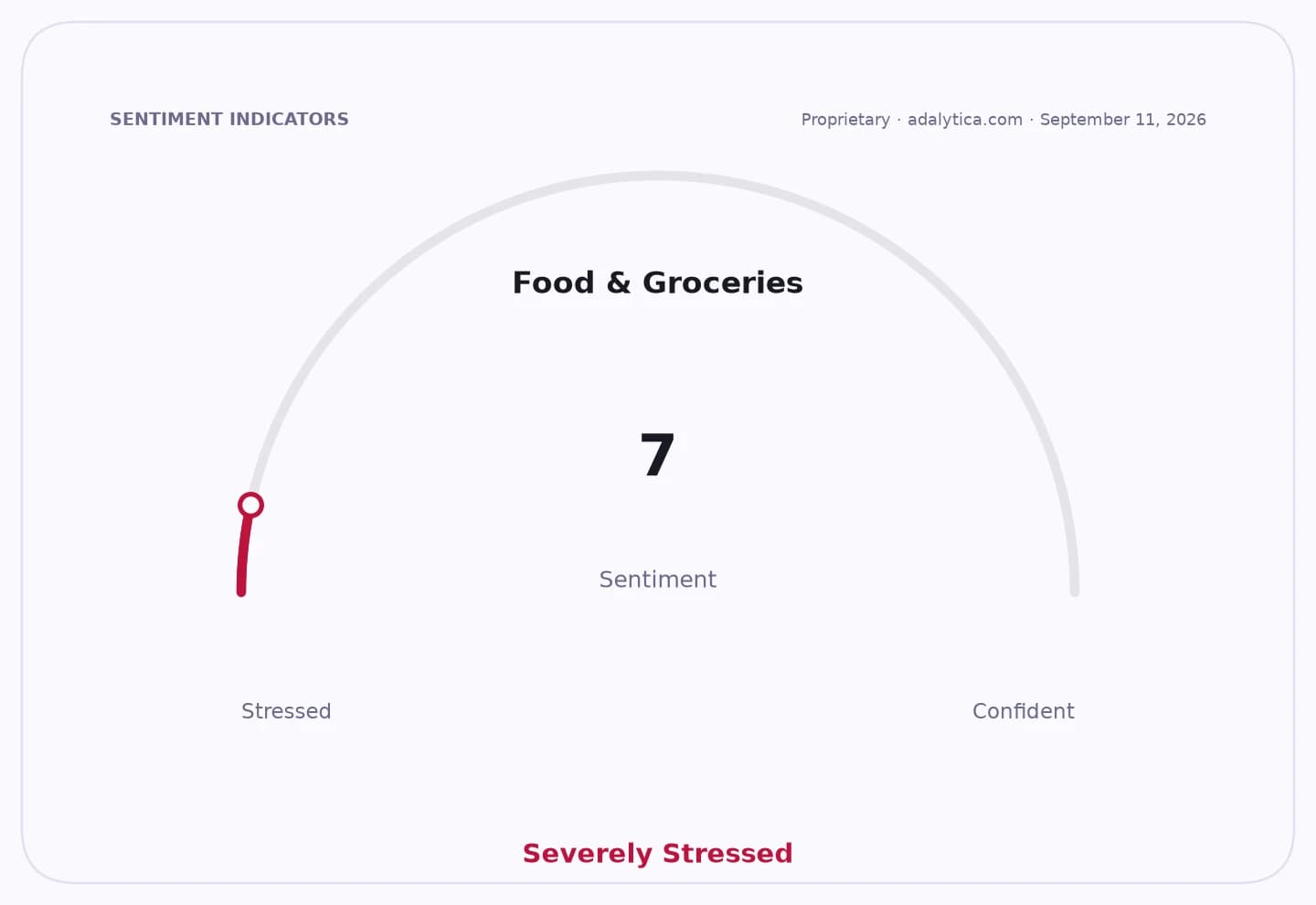
South Korea is putting garlic and onions at the center of a new farm-price safety net, a move that could make food inflation less volatile while shifting more of the downside risk in crop markets onto the state.
The agriculture ministry said the two staples were chosen as the first targets of the country’s new Agricultural Product Price Stabilization System, which will compensate farmers if average prices fall below a benchmark set at 80% of the normal wholesale price. For households, that matters because garlic and onions sit deep in the kitchen basket. For investors, it matters because the policy is a sign that Seoul is willing to intervene earlier and more systematically when crop prices swing too far, potentially dampening boom-bust cycles that can ripple through food distributors, retailers and commodity-linked businesses.
That kind of floor changes incentives. Farmers growing more than 1,000 square meters will be eligible, provided they are registered and have reported their planted area. The government will also claw back support if growers have already received insurance payouts, a sign it wants to avoid duplicate subsidies. In practice, the system is designed to do more than just write checks after prices collapse: it also pushes for pre-season acreage reporting and tighter supply management, which could reduce the kind of oversupply that often crushes margins in fresh produce.
Garlic and onions were a logical starting point because production and prices can swing sharply with weather and harvest conditions. By tying the benchmark to 80% of the average wholesale price and including the full cost of farming plus labor, the policy aims to preserve farm income without letting prices become completely detached from market reality. The government also said it may expand the list of covered crops later, depending on food consumption impacts and how well the pre-emptive supply system works.
For investors, the bigger story is not just the direct support to growers. It is the message that food policy is becoming more active, more data-driven and more interventionist. That can be a positive for farm income stability, but it also means less pricing freedom in some agricultural markets and a higher chance that margins get redistributed from volatile spot markets toward policy-managed outcomes. Companies exposed to agricultural inputs, food distribution and staple-price inflation will need to watch whether this becomes a one-off measure or the beginning of a broader framework.
The next catalyst will be the agriculture ministry’s final notice, which will lock in the covered crops and the exact compensation ratio. If the program expands beyond garlic and onions, it could become one of the more important structural shifts in South Korea’s food economy in years.
| Entity | Gains | Losses |
|---|---|---|
| Garlic and onion farmers | ▲Income floor | ▼Downside price risk |
| South Korean consumers | ▲Less price chaos | ▼Less market pricing freedom |
| Government | ▲Better supply control | ▼Higher fiscal burden |
| Traders and wholesalers | ▲More predictable flows | ▼Narrower arbitrage swings |