Southern Africa corridor competition slows AfCFTA integration
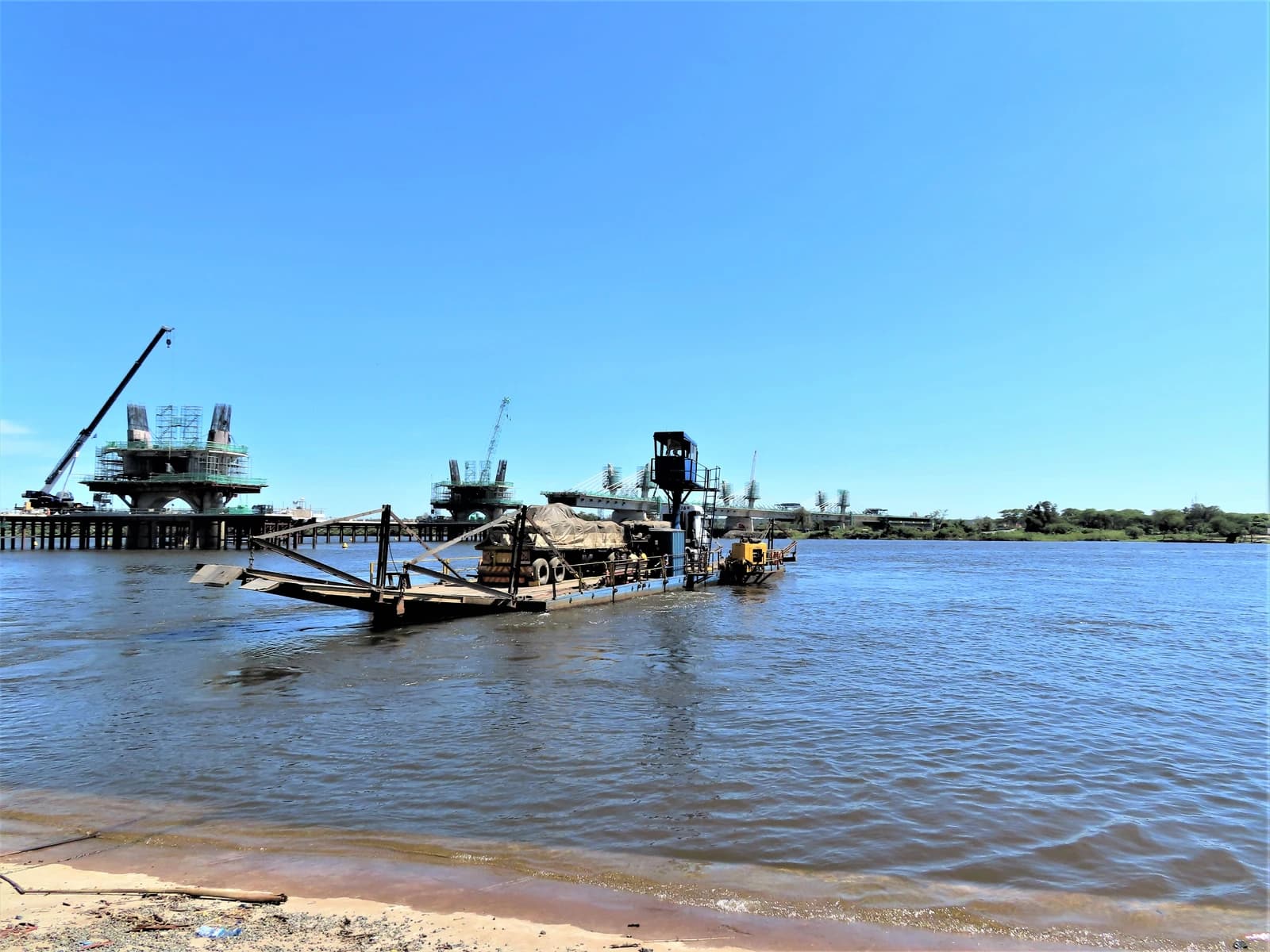
The race by southern African countries to build and control transport corridors is improving access to ports and mines, but it is also fragmenting trade policy and slowing the regional integration that the African Continental Free Trade Area was meant to accelerate.
That matters because transport links, not tariffs on paper, increasingly determine who captures the gains from intra-African trade. In a region where mineral exports, farm goods and manufactured inputs must move across long distances to reach the coast, corridor politics can decide logistics costs, port throughput and the competitiveness of entire economies.
The central problem is that corridor development is becoming a competition for rents as much as a coordination exercise. Governments and state-backed operators want to direct freight through their own ports, rail lines and border posts, which can lift national revenue and jobs. But the same drive can create bottlenecks, duplicated investment and inconsistent customs practices that raise costs for traders and delay the kind of seamless movement the AfCFTA depends on.
For miners and bulk shippers, the stakes are immediate. South Africa, Zambia, Zimbabwe, Botswana and Mozambique all need reliable routes to move copper, coal, iron ore and agricultural exports. A corridor that shortens transit times by even a small amount can alter mine economics, export pricing and route choice. Yet when neighboring states compete instead of coordinate, freight volumes get diverted by politics, not efficiency, leaving some routes underused while others are congested.

The broader macroeconomic effect is slower productivity gains. Better corridors should reduce the cost of trading across borders, support industrial supply chains and deepen regional value chains. Instead, the contest over who controls transit traffic risks locking Southern Africa into a patchwork of national systems, limiting the scale benefits that would otherwise come from the continent’s largest free-trade experiment.
For investors, that cuts both ways. Port operators, rail concession holders, logistics firms and corridor-linked infrastructure plays can benefit from higher volumes and state support. But the bear case is that regulatory fragmentation, customs disputes and political interference keep returns volatile and delay the payoff from capital spending. The recent strength in shares of shipping and logistics groups such as Maersk underscores how investors reward route resilience, while a more cautious tone in Deutsche Bank’s shares reflects how quickly trade disruption can affect risk appetite when global logistics look uncertain.
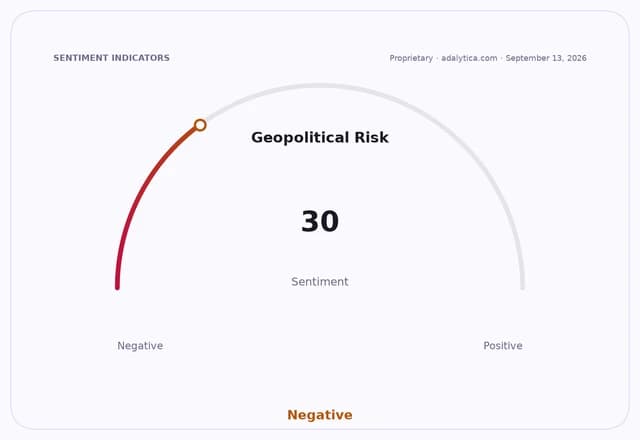
Geopolitical risk only adds to the urgency. As sea lanes face broader instability and global trade remains vulnerable to chokepoints, African governments have a stronger incentive to secure domestic and regional routes. That should support infrastructure investment. But without genuine coordination on rail standards, port access, border procedures and tariff policy, the result may be more corridor competition rather than more trade.
The investment case therefore depends less on whether Southern Africa builds more infrastructure than on whether it can turn competing national corridors into interoperable regional networks. Until that happens, the region may get better roads and ports without getting the integration dividend that policymakers have been promising.
| Entity | Gains | Losses |
|---|---|---|
| Port operators | ▲Higher throughput, more transit fees | ▼Congestion risk, underused rivals |
| Freight shippers | ▲Shorter routes, route optionality | ▼Policy uncertainty, higher border costs |
| Mining exporters | ▲Better access to seaborne markets | ▼Delays from corridor bottlenecks |
| AfCFTA integration | ▲Long-term trade potential | ▼Near-term fragmentation and slower implementation |