Soybean Lodging Study Supports ADM, MOS, Deere
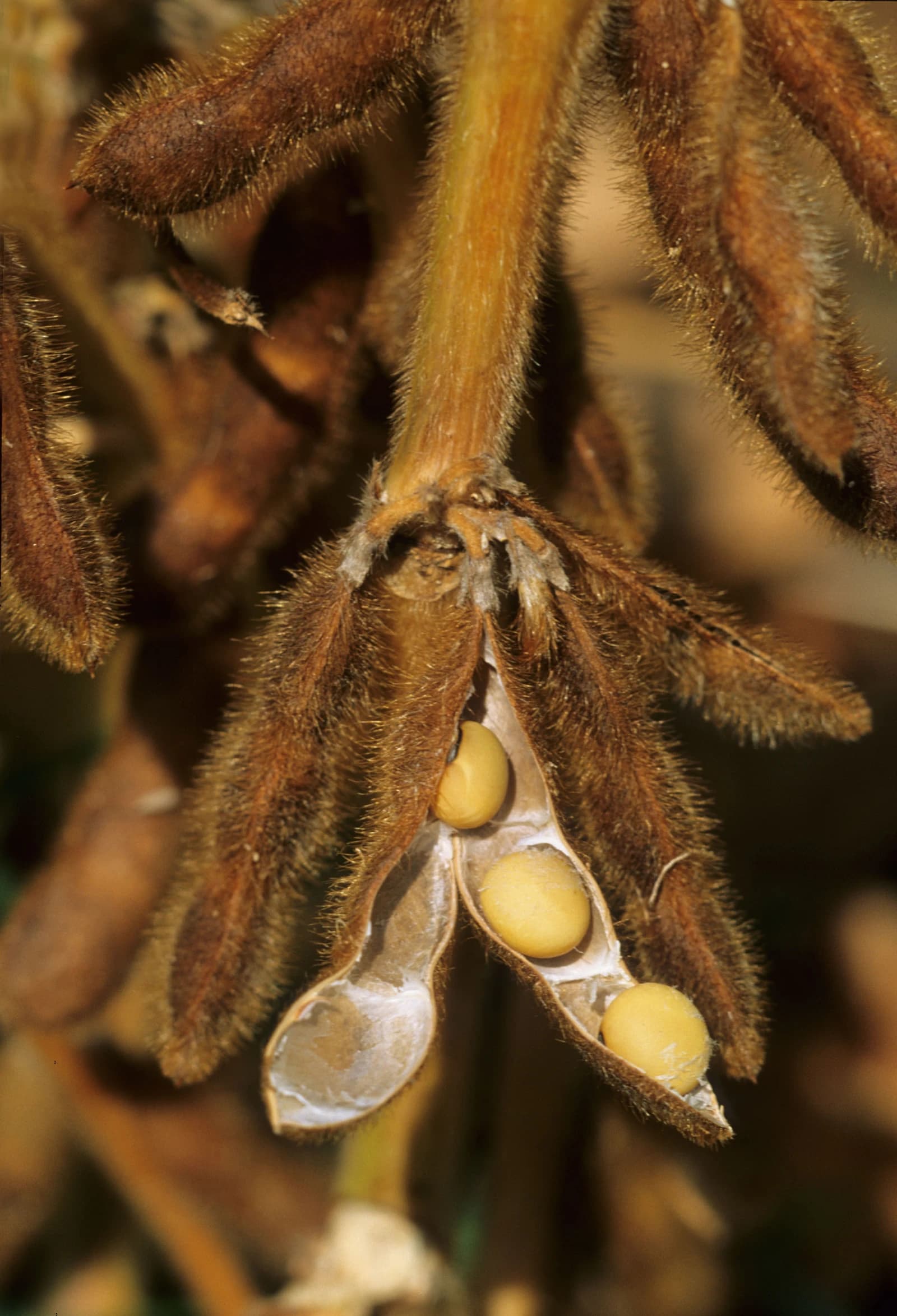
Soybean producers and their suppliers are getting a fresh catalyst from crop science, as explainable machine-learning research on lodging risk in high-density drip-irrigated soybeans reinforces the push toward precision agronomy and tools that protect yield.
That matters economically because lodging — when plants fall over before harvest — can sharply reduce output, raise harvest costs and hurt seed quality. In a tighter-margin farm economy, anything that improves stand stability, irrigation efficiency and trait selection can lift returns for growers and create demand for crop inputs, field equipment and analytics.
For investors, the implication is spread across the agricultural value chain. Archer-Daniels-Midland and Mosaic are tied to soybean production economics through grain handling, crop input demand and farm profitability, while Deere benefits when growers invest in equipment and technology that improves planting, water management and harvest efficiency.
ADM shares were last up 6.1% from their Sept. 16 level to $79.16, with the stock trading just below the 50-day moving average and holding above the 200-day moving average at $70.22. MOS has recovered to $24.27 from $21.69 in mid-June, with the shares now slightly above the 50-day moving average and roughly in line with the 200-day average, while Deere has climbed to $630.66 from $558.60 in June and remains well above both the 50-day and 200-day moving averages.
The technical setup across the group reflects renewed investor interest in farm profitability, even as the recent pullbacks show the trade is not one-way. ADM’s RSI reading of 56.9 points to a neutral-to-firm trend, MOS at 56.0 is similarly constructive, and Deere’s 56.0 suggests momentum has cooled after a strong run but remains positive.
The broader story is that agriculture is becoming more data-driven, not just more mechanized. If machine-learning models can better predict soybean lodging grade and identify the traits most linked to stability under dense planting and drip irrigation, that supports a shift toward higher-value seed genetics, smarter water use and more efficient farm inputs.
That makes the next read-through important for crop input suppliers and machinery makers: any evidence that growers are adopting these methods at scale could support pricing power and volume growth, while a weaker commodity backdrop would keep a lid on farm spending.
| Entity | Gains | Losses |
|---|---|---|
| Soybean growers | ▲Better yields, lower lodging risk | ▼Higher tech adoption costs |
| ADM | ▲Stronger farm economics, handling volumes | ▼Lower crop output if adoption lags |
| MOS | ▲Input demand from precision farming | ▼Farm budgets if margins stay weak |
| Deere | ▲Demand for precision equipment | ▼Slower capex if crop prices fall |