Soybean nanosilica boosts copper tolerance in seed tests
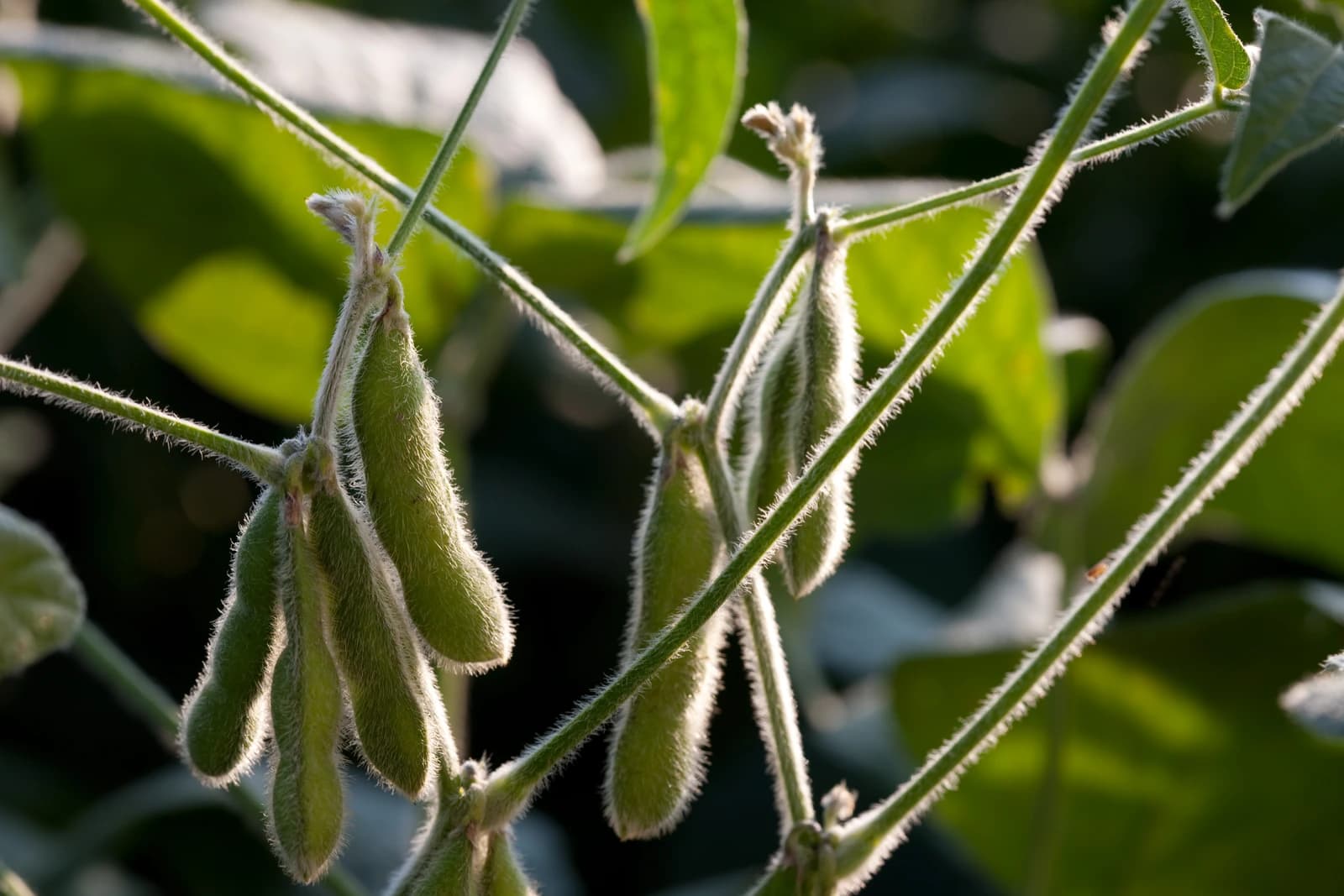
Soybean seeds treated with nanosilica showed greater tolerance to copper toxicity by cutting copper uptake and improving nitrogen use efficiency, a finding that could matter for crop resilience at a time when growers are facing elevated input costs and volatile grain markets.
The result is economically relevant because copper toxicity can reduce germination, root development and stand establishment, making seed performance more fragile in contaminated or copper-rich soils. If nanosilica can help plants take up less copper while using nitrogen more efficiently, it could reduce seed losses and limit the need for replanting, both of which carry immediate cost implications for farmers and seed suppliers.
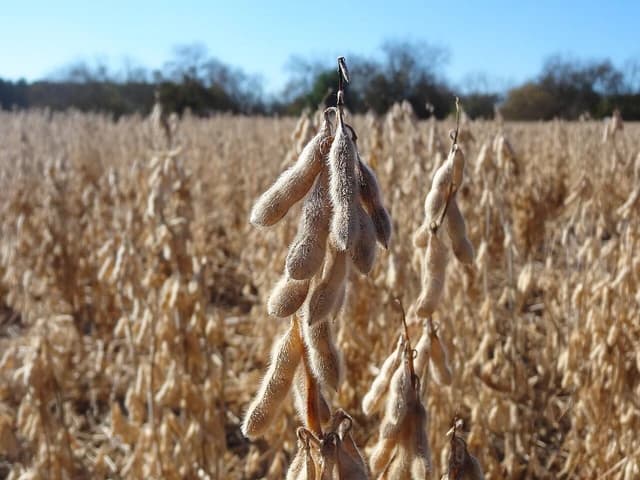
The study also fits a broader agricultural backdrop in which producers are under pressure to protect margins. U.S. producer prices for agricultural goods have risen sharply over the past several years, with the all-industries producer price index reaching 286.827 in June 2026 after touching 290.489 in May, while farm-related production costs remain elevated by historical standards. At the same time, the soybean market has stayed active: the SOYB exchange-traded fund closed at $25.05 on Aug. 4, above its 50-day moving average of $24.92, even as its relative strength index eased to 41.8, suggesting a cooler short-term tone after earlier momentum. Wheat and corn prices have also remained firm, with WEAT at $23.86 and CORN at $17.75, underscoring a market still sensitive to yield, quality and input-efficiency gains.
For investors, the significance lies less in a single laboratory result than in the commercial path it could open for agricultural inputs, seed treatment technologies and precision crop nutrition. Any material improvement in nitrogen use efficiency can be attractive in a market where fertilizer remains a major expense and where agribusinesses are looking for products that promise yield protection without adding much to application costs. That makes the work relevant not just to farmers but also to seed developers, input distributors and larger agricultural suppliers trying to defend pricing power.
The bull case is that nanosilica becomes a low-cost additive that improves stand establishment on stressed soils and supports sustainability claims around reduced nutrient waste. The bear case is that greenhouse or seed-trial benefits may not translate cleanly into commercial fields, where soil chemistry, weather and management practices vary widely. Adoption would also depend on regulatory clearance, application economics and whether the performance edge survives larger-scale testing.
The narrative is straightforward: in a crop sector still shaped by input inflation and yield risk, a simple nanomaterial approach that improves copper tolerance and nitrogen efficiency could become more valuable than it first appears. The key catalyst now is whether the effect holds across field conditions and whether it can be packaged into a commercially viable seed treatment or soil amendment.
| Entity | Gains | Losses |
|---|---|---|
| Soybean growers | ▲Better stand survival | ▼Less need for replanting |
| Seed/input makers | ▲New product potential | ▼Higher trial and approval costs |
| Fertilizer sellers | ▲Potentially steadier demand from efficiency gains | ▼Marginally lower nutrient waste sales |
| Competitors using traditional treatments | ▲Little immediate gain | ▼Pressure if nanosilica proves scalable |