Soybean Shipments Reach $3.513 Billion by July
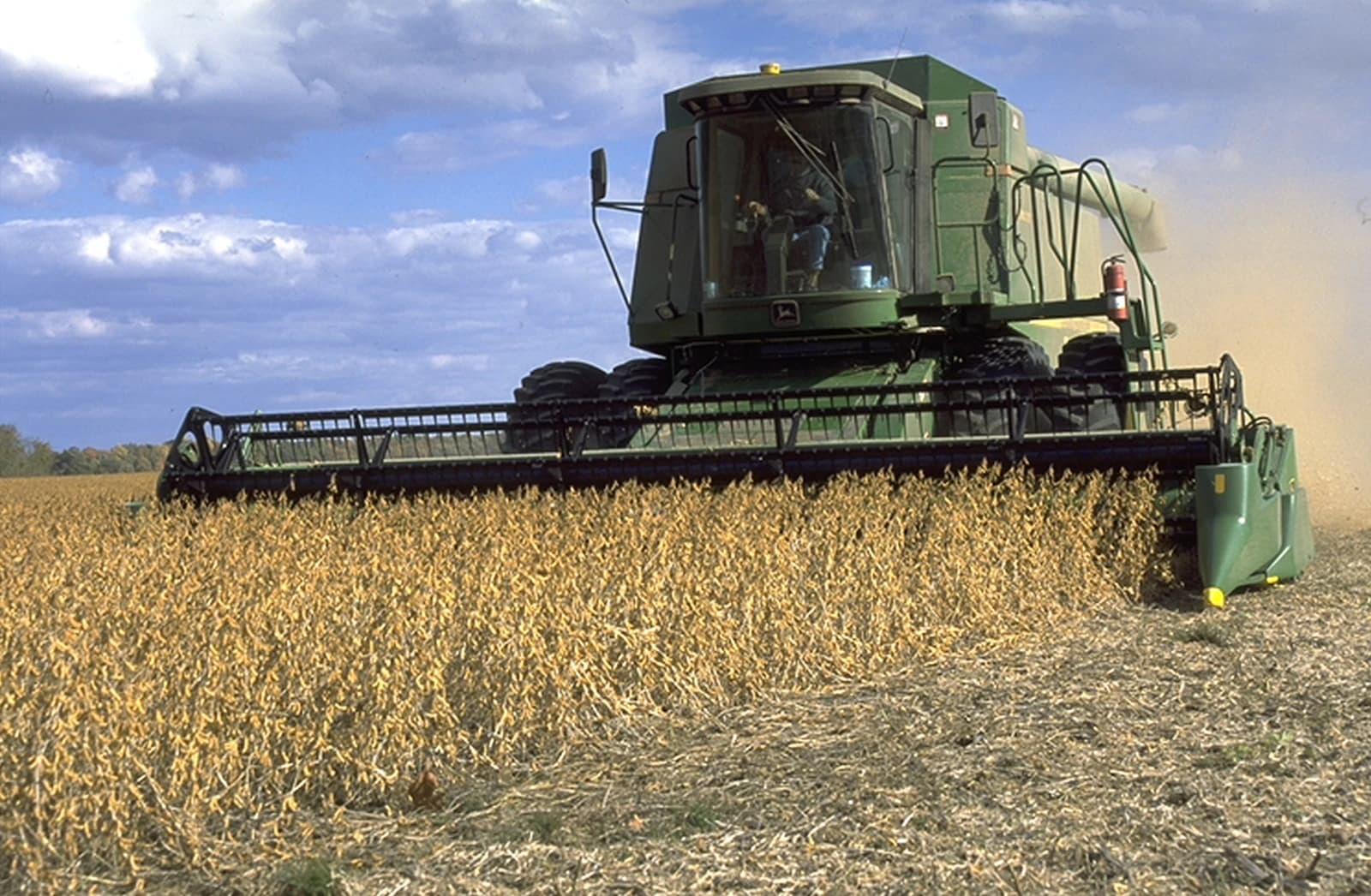
Soybean shipments climbed to $3.513 billion by the end of July, underscoring how stronger export flows and firm demand are keeping the oilseed market central to global farm trade even as crop risks and volatile prices reshape the outlook.
The value of shipments matters because soybeans sit at the intersection of food inflation, animal feed demand and renewable fuels. When export receipts rise, it usually reflects not just higher volumes but also tighter supply or better pricing power, both of which can ripple through crushers, merchants and food processors.
Brazil is cementing its role as the main supplier to China, while Argentina’s soybean harvest has topped 49 million tons, adding to the supply side of the market. At the same time, India’s edible oil imports jumped 33% in July, driven by stronger demand for palm and soybean oils, a sign that downstream consumption remains resilient.
For investors, that mix is favorable for trading houses and processors such as Bunge and Archer-Daniels-Midland, which benefit from active merchandising and crush margins when demand stays firm. Bunge’s shares have climbed well above their 50-day and 200-day moving averages, while ADM has also held above both longer-term averages, even after recent volatility in the broader ag complex.
But the market is not without risks. Farmers are increasingly worried about a larvae infestation threatening soybean crops, a reminder that supply can tighten quickly if pests or weather hit yields. Corn sentiment has also collapsed to “Extreme Fear” in Adalytica’s gauge, showing how quickly agricultural sentiment can turn when crop and policy concerns build.
The next catalyst is whether export momentum holds into late summer and whether crop damage or trade shifts force another reset in soybean pricing, margins and freight flows.
| Entity | Gains | Losses |
|---|---|---|
| Soybean exporters | ▲Higher shipment value | ▼Crop risk and pricing swings |
| Processors/traders | ▲Stronger crush and merchandizing | ▼Margin pressure if supply loosens |
| Importers like China and India | ▲More available supply | ▼Higher procurement costs |
| Farmers facing pests | ▲Potential higher prices | ▼Yield losses and lower output |