Soybean, Wheat and Corn Funds Rise on Food Security
Soybean, wheat and corn funds are all trading higher as governments lean harder into food security, a reminder that agriculture is becoming as much a policy story as a weather story. For investors, that matters because the world’s staple crops are still the foundation of inflation, rural income and portfolio diversification.
The biggest message in this setup is that policymakers are treating agricultural supply as a strategic asset, not just a commodity cycle. In Indonesia, the military’s soybean harvesting effort in Lampung underscores how national food security has moved toward the center of economic planning, while broader crop markets continue to absorb the effects of shifting demand, supply discipline and investor positioning.
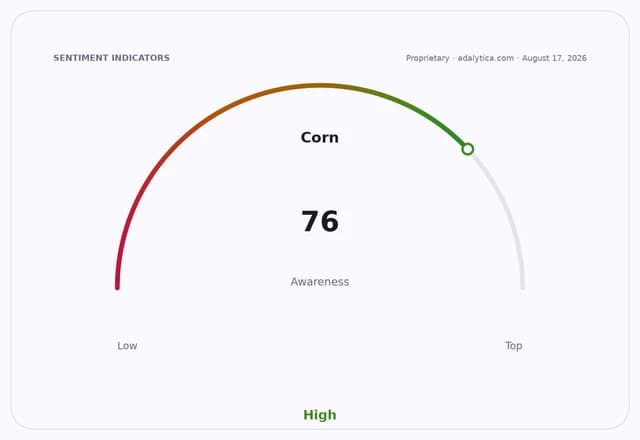
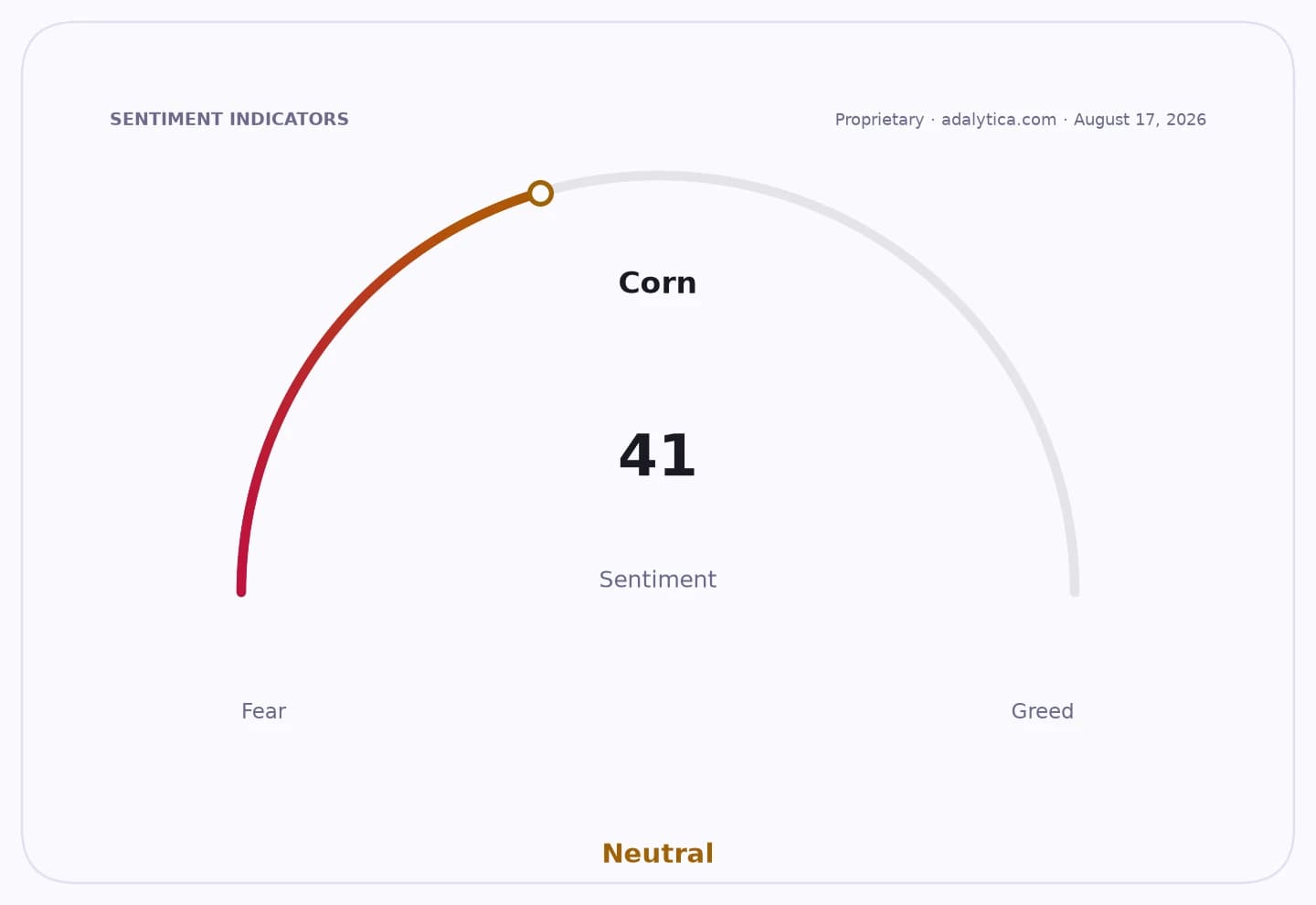
That policy backdrop has coincided with a firm tone across crop ETFs. Soybean fund SOYB most recently traded at $25.72, up from $24.09 less than two months earlier, while wheat fund WEAT was at $25.06, after touching $26.00 in July. Corn fund CORN changed hands at $18.43. Those moves suggest investors are still willing to pay for exposure to basic food commodities even after a choppy year, especially when food inflation and supply security remain live issues.
The technical picture also shows why traders have stayed engaged. SOYB is above both its 50-day and 200-day moving averages, and its latest RSI reading of 50.2 points to a market that has cooled from earlier overbought levels without breaking the uptrend. WEAT sits above its 50-day and 200-day averages too, while CORN has stabilized above both of those trend measures after a summer pullback. In plain English, the crop complex is still being treated as a legitimate asset class, not a dead money trade.
What makes this interesting for long-term investors is the underlying narrative. Food security spending tends to support local production, storage, logistics and input demand, even when headline prices wobble. That can benefit agricultural producers, seed and fertilizer suppliers, grain handlers and diversified commodity funds. It can also pressure food buyers, importers and consumers if governments keep prioritizing resilience over cheap imports.
There are still risks. Crop prices can fall fast if weather turns favorable, exports slow or inventories rebuild. And because these funds track futures, not farm profits, returns can diverge sharply from the real economy. But for patient investors, the broader point is simple: staple food markets are increasingly shaped by policy, geopolitics and climate resilience, not just planting forecasts.
That makes soybean, wheat and corn exposure worth watching as a long-term hedge and a way to diversify beyond stocks and bonds. If food security remains a priority in Asia and other major producing regions, agricultural assets could keep finding support on every dip.
| Entity | Gains | Losses |
|---|---|---|
| Soybean, wheat and corn funds | ▲Higher investor demand | ▼Short-term mean reversion traders |
| Food-security policymakers | ▲Supply resilience | ▼Cheap-import advocates |
| Agricultural producers and input suppliers | ▲Stronger pricing power | ▼Food buyers facing higher costs |
| Consumers and importers | ▲Stable long-term supply | ▼Near-term affordability |