S&P 500 Near Highs as Investors Favor Defense
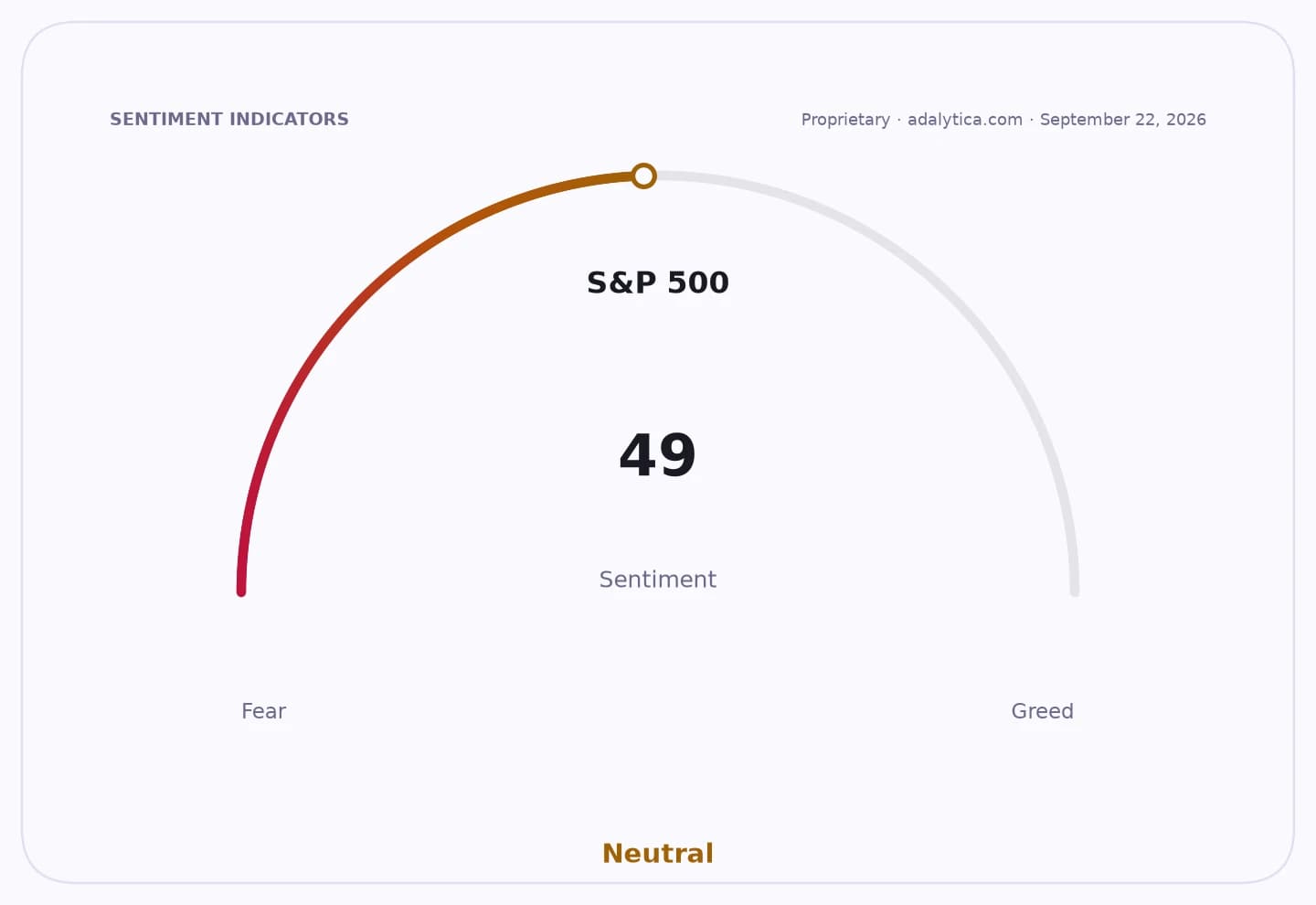
Every portfolio looks stronger in a rally; the economically important question is how much capital it gives back when the cycle turns.
That is the core lesson in a market environment where the S&P 500 has just pushed to fresh highs near 773.5, while conventional technical measures such as the 50-day moving average and RSI remain supportive but not euphoric. The broader backdrop is still constructive — recession gauges in the data remain at zero and credit stress is subdued — but investors are not being paid to ignore downside math. If a portfolio falls 30%, it needs a 43% gain to recover. That asymmetry is why defense matters even when the market is strong.
The case for resilience is not about predicting a crash. It is about avoiding permanent damage from the next one. Buffett-style concentration can work for a single disciplined investor, but for most households and institutions the bigger risk is portfolio overlap, correlated losses and panic selling at the wrong time. The four strategies laid out by The Motley Fool’s portfolio managers point to the same conclusion from different angles: size positions so no single mistake is fatal, diversify across businesses and geographies, favor cash-generative companies, and keep enough flexibility to buy when prices are lower rather than being forced to sell.
That matters economically because market losses are not linear. The higher the starting point, the more painful a drawdown becomes for retirement savers, endowments and risk budgets. A concentrated portfolio can magnify gains, but it also magnifies the cost of a wrong thesis. The article’s emphasis on cash flow and balance-sheet strength is especially relevant in a market that has been driven partly by mega-cap growth and AI enthusiasm. When valuations are rich, the margin for error narrows, and investors have less room to absorb a repricing.
The bond market is reinforcing that caution. The 10-year Treasury yield is around 5.01%, reflecting a still-elevated cost of capital even as credit spreads have eased to about 2.68% on the high-yield index. That combination tells investors the system is not in distress, but financing conditions are hardly loose. In that setting, businesses that can fund growth internally and return cash through dividends or option income have a built-in advantage. It is also why defensive assets such as Treasuries and gold remain part of the conversation, even though both TLT and GLD have been choppy recently.
From an investor’s perspective, the narrative is not “sell risk.” It is “own risk that can survive a selloff.” The bull case is that disciplined diversification and income generation let investors stay invested through volatility and keep compounding. The bear case is that crowded holdings, weak balance sheets and overreliance on price appreciation can turn a routine correction into a lasting setback. In other words, the market may not need a crash for defensive positioning to pay off; it only needs the next normal drawdown.
The practical implication is that portfolio construction now matters as much as stock picking. Investors who have let winners dominate their allocation may want to rebalance before volatility returns. Those using broad funds still need to understand factor and sector overlap. And for anyone holding speculative names, the key lesson is to size them as options on upside, not anchors for financial security. The best time to build defense is before the storm; the second-best time is while the market is still giving you a choice.
| Entity | Gains | Losses |
|---|---|---|
| Diversified investors | ▲Lower drawdown risk | ▼Less upside concentration |
| Concentrated portfolios | ▲Big winners in rallies | ▼Larger losses in selloffs |
| Cash-generative firms | ▲More resilience | ▼Growth-at-any-price names |
| Treasury and gold holders | ▲Hedge value in stress | ▼Momentum chasers in risk assets |