S&P 500, UUP, GLD Move on Trump Tariff Threats
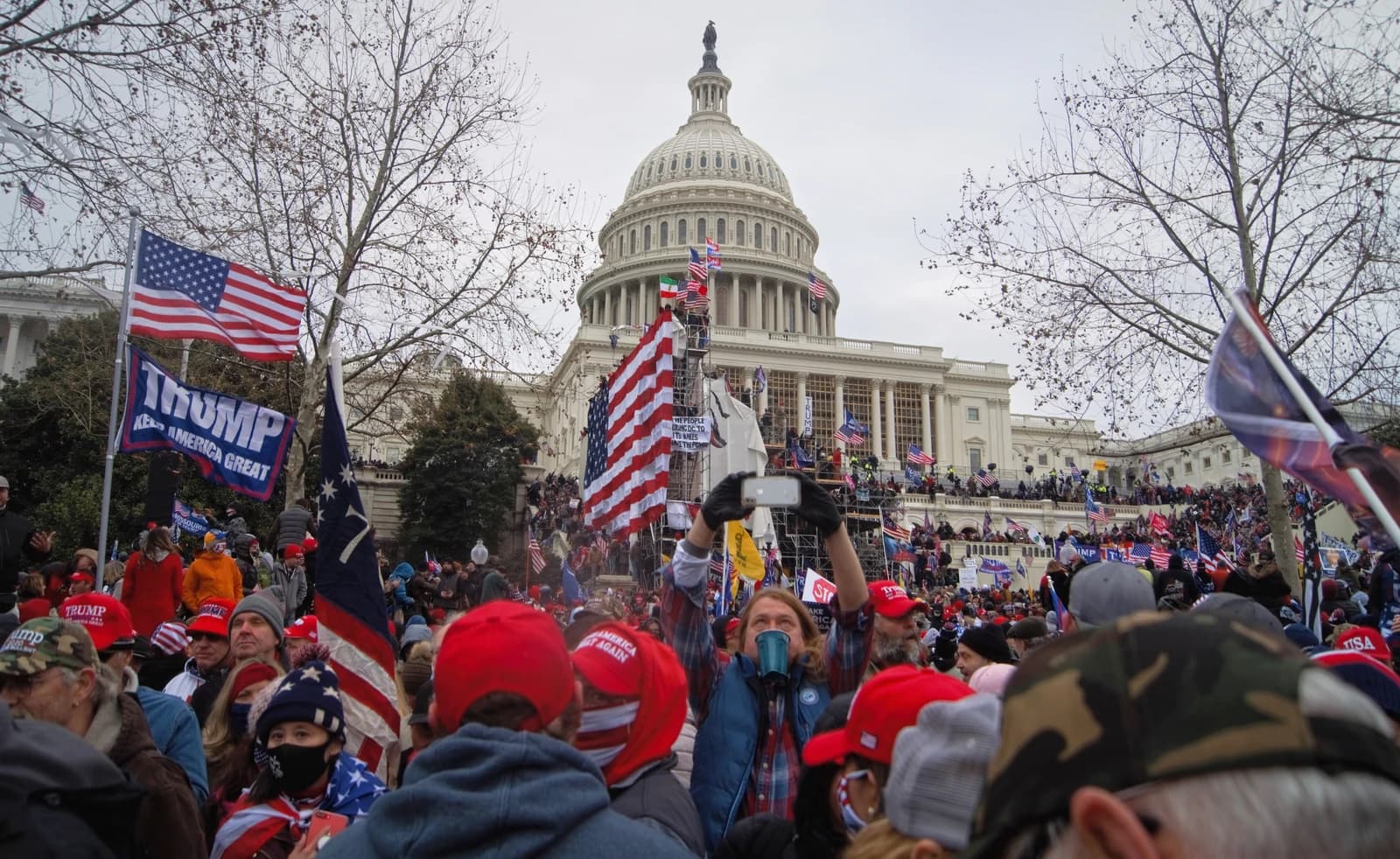
US stocks, the dollar and gold all moved as traders digested another round of tariff threats from Donald Trump that quickly gave way to a more measured tone, underscoring how markets are learning to discount the initial shock but still pay up for protection when policy risk spikes.
The episode matters because it reinforces a pattern with direct economic consequences: a president willing to use the threat of sweeping tariffs as leverage can still move asset prices, the currency and inflation expectations even if the final policy is softer than the headline. That keeps business planning, trade flows and capital allocation on edge, particularly for multinationals exposed to imports, supply chains and retaliatory measures.
The S&P 500, tracked by SPY, closed at 757.67 on Aug. 3, extending a powerful rebound from March lows and sitting well above both its 50-day and 200-day moving averages. But the move also came with signs of complacency and fragility: the ETF’s RSI was 53.9, no longer overbought, while Adalytica’s S&P 500 trade signals showed extreme-greed readings. That combination suggests investors have not fully priced the macro downside if trade rhetoric turns into policy.
The US dollar, measured by UUP, has also firmed sharply, with Adalytica’s dollar trade signal at 100 and awareness at 95, both in extreme-greed territory. A stronger dollar typically cushions some tariff-driven inflation by lowering import costs in dollar terms, but it can also tighten financial conditions for foreign borrowers and weigh on commodity prices and overseas earnings. That dynamic helps explain why the market response has been uneven: import-sensitive sectors and global cyclicals can come under pressure even when the broad index holds up.

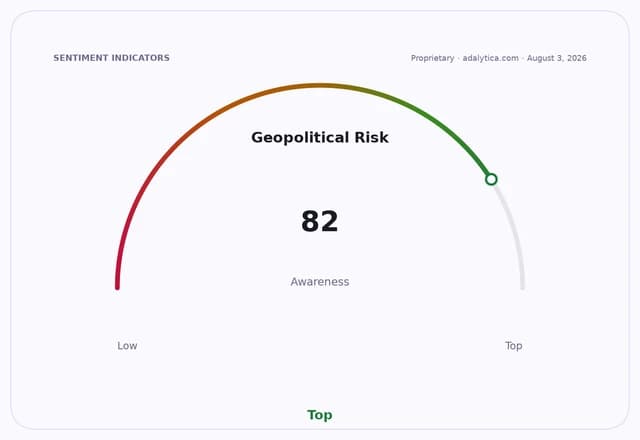
Gold, via GLD, has been less decisive after an earlier surge, trading at 371.71 and below its 50-day average. The metal remains a hedge against policy shocks and geopolitical uncertainty, but the lack of a fresh breakout suggests investors are still split between hedging for a tariff shock and believing the threat will be walked back again. Adalytica’s global stability sentiment at 89 and in extreme-greed territory indicates elevated risk appetite, which can limit the upside in haven assets unless rhetoric escalates further.
For investors, the key question is not whether Trump can move markets — he clearly can — but whether the administration’s repeated pattern of escalation and retreat is becoming less effective as a policy tool. If traders conclude the threats are mostly negotiating theater, the market impact may fade faster. If they believe tariffs could still land at scale, even temporarily, inflation-linked assets, the dollar and defensive sectors could outperform while rate-sensitive and internationally exposed equities lag.
The bigger narrative is one of policy uncertainty becoming a tradable asset class. Every escalation tests the market’s conviction that Trump will ultimately step back, and every walk-back reinforces risk taking. That makes the next tariff headline less about the initial shock than about whether investors keep believing the retreat will come in time.
| Entity | Gains | Losses |
|---|---|---|
| US dollar | ▲Safe-haven bid | ▼Exporters, multinationals |
| Gold | ▲Hedge demand | ▼Risk-on traders |
| S&P 500 bulls | ▲Dip-buying rebounds | ▼Tariff-sensitive sectors |
| Trade partners | ▲Temporary relief from walk-back | ▼Negotiating leverage |