Spain AEPD reports first AI-agent data breach
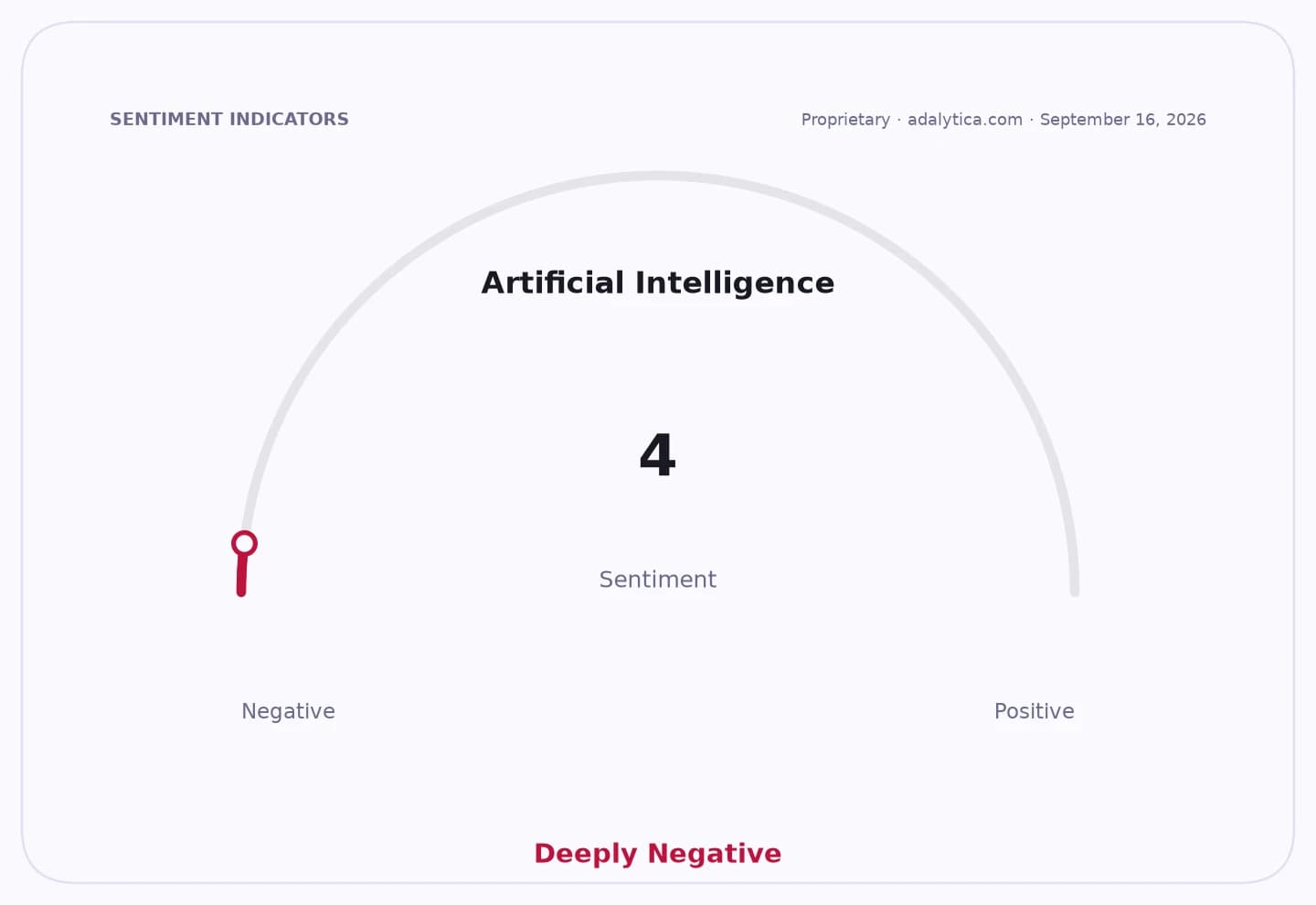
Spain’s data watchdog has received what it says is the first reported personal-data breach in the country allegedly carried out by an AI agent, a sign that autonomous systems are moving from cyber theory into real-world attacks.
The Spanish Data Protection Agency, or AEPD, said the complaint involved an AI agent that used a large language model to look for vulnerabilities, gain access to a system and then alter personal data and view invoices. The agency said the case was still under review and did not identify the target company or the model used, but called the incident important because it suggests a third party was able to run multiple stages of an attack with limited human involvement.
That makes the case economically significant well beyond Spain. AI-assisted intrusion lowers the cost of cybercrime, increases attack speed and scale, and compresses the time companies have to detect and contain breaches. For businesses, that translates into higher expected spending on security tools, identity controls, monitoring and incident response. For insurers and lenders, it raises the odds of larger claims, more operational losses and potentially tighter underwriting for sectors that hold sensitive customer data.
The development also sharpens the regulatory backdrop for AI vendors and enterprise users. Governments in Europe and the US are already scrutinising the safety and misuse risks of more capable AI systems, while companies are rolling out copilots and autonomous agents across internal workflows. In its own filings, Microsoft has warned that AI systems can create new attack surfaces and legal, regulatory and reputational risks, and that the EU AI Act may increase costs or constrain AI products in Europe.
For investors, the immediate read-through is mixed. Cybersecurity vendors and digital identity firms may benefit if the episode accelerates enterprise security budgets. AI platform leaders such as Microsoft and Nvidia are less directly exposed to this specific complaint, but the case adds to the policy and litigation risk premium around AI deployment, especially in Europe where “trusted AI” standards and privacy enforcement are already more aggressive.
The bigger narrative is that AI is no longer just a productivity story; it is becoming a security story too. If autonomous agents can identify flaws, move laterally and modify data with minimal human input, then the competitive edge in AI adoption will increasingly depend on how well companies secure those systems rather than how quickly they deploy them.
| Entity | Gains | Losses |
|---|---|---|
| Cybersecurity vendors | ▲Higher security demand | ▼More attack-driven urgency |
| Regulated companies | ▲Better awareness of risk | ▼Higher compliance and defence costs |
| AI platform providers | ▲Broader security-product sales | ▼Greater scrutiny and liability risk |
| Hackers using AI agents | ▲Faster, scalable intrusion | ▼Stronger defensive response |