Spain banks limit mortgages after age 50
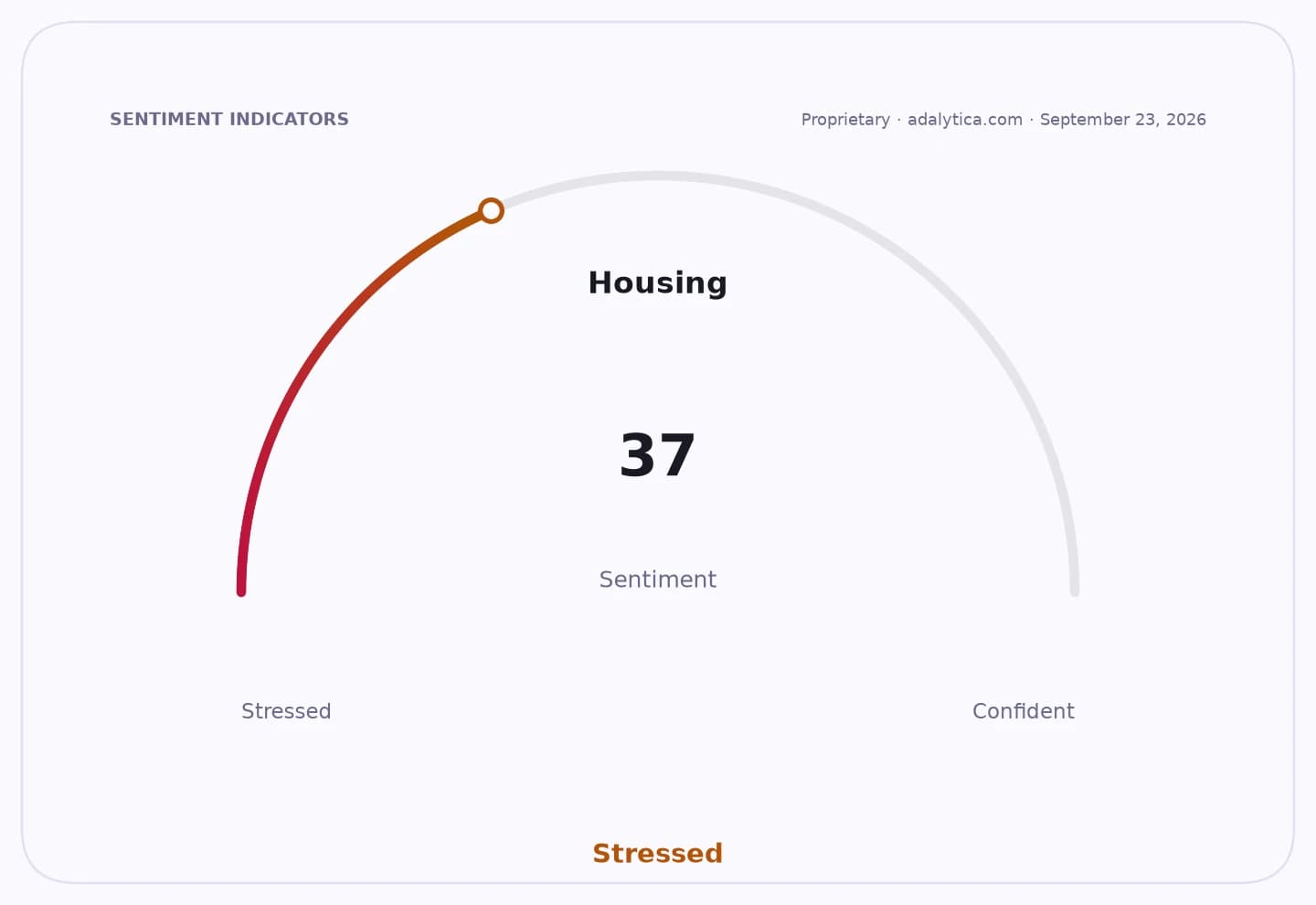
Montse Cespedosa’s warning that many banks dislike granting mortgages after age 50 lands in a housing market already squeezed by high prices and still-elevated borrowing costs, making homeownership even harder for Spain’s older buyers and would-be movers.
The economic significance is straightforward: when lenders tighten age rules, they shorten the pool of qualified borrowers just as affordability is already strained by expensive property and mortgage payments. That reduces transaction volume, slows turnover in the housing market and keeps families from trading up, downsizing or relocating at the point in life when housing decisions often become most important.
The problem is not just anecdotal. Cespedosa says the practical ceiling is age 75, but that many institutions begin to balk once borrowers cross 50, often forcing shorter repayment terms or tougher scrutiny. That is particularly restrictive in a market where the typical mortgage is granted to people between 35 and 45, leaving a narrower window for buyers who enter the market later in life.
The backdrop is a mortgage environment that remains tight internationally. U.S. 30-year mortgage rates are hovering around 6.95%, a level that keeps financing expensive and dampens housing demand, while U.S. housing starts remain weak at about 1.28 million, underscoring how higher borrowing costs ripple through construction and related industries. In Spain, the same dynamic bites from the other side: even where rates ease later, the combination of high prices and cautious underwriting can freeze out older households altogether.
For investors, the implication is that this is not simply a consumer finance issue but a valuation issue for housing-linked assets. Lower mortgage availability means less mobility, slower origination growth and weaker demand for everything tied to home sales, from brokers to builders to lenders. In the U.S., housing ETFs such as XHB and ITB have already broken lower, with both trading below their 50-day and 200-day moving averages and RSI readings in oversold territory, a sign that the market is already discounting a prolonged affordability squeeze. Regional banks, tracked by KRE, are also under pressure, reflecting the reality that mortgage demand alone is not enough when underwriting is restrictive and affordability is stretched.
This is why the broader housing narrative matters far beyond Spain. The market underestimates how age, income and interest rates are converging into a structural affordability trap in developed housing markets. As life expectancy rises and more buyers seek mortgages later in life, lenders that keep relying on conservative age cutoffs may protect credit quality in the short term, but they also risk excluding a growing customer base and missing a long-duration lending opportunity.
The investable takeaway is to favor the toll roads of housing finance over the end users: lenders and platforms with flexible underwriting, servicing income and refinancing exposure will fare better than businesses dependent on high transaction turnover. If mortgage rates stay elevated and banks keep tightening age-based lending, the winners will be the institutions that can adapt to an older borrower base — and the losers will be builders, brokers and rate-sensitive housing names.
| Entity | Gains | Losses |
|---|---|---|
| Flexible lenders | ▲Higher-quality borrowers | ▼ |
| Older homebuyers | ▲ | ▼Mortgage access |
| Homebuilders and brokers | ▲ | ▼Transaction volume |
| Housing ETFs XHB/ITB | ▲ | ▼Rate-sensitive housing demand |