Spain's Cheapest Homes Highlight Rural Illiquidity
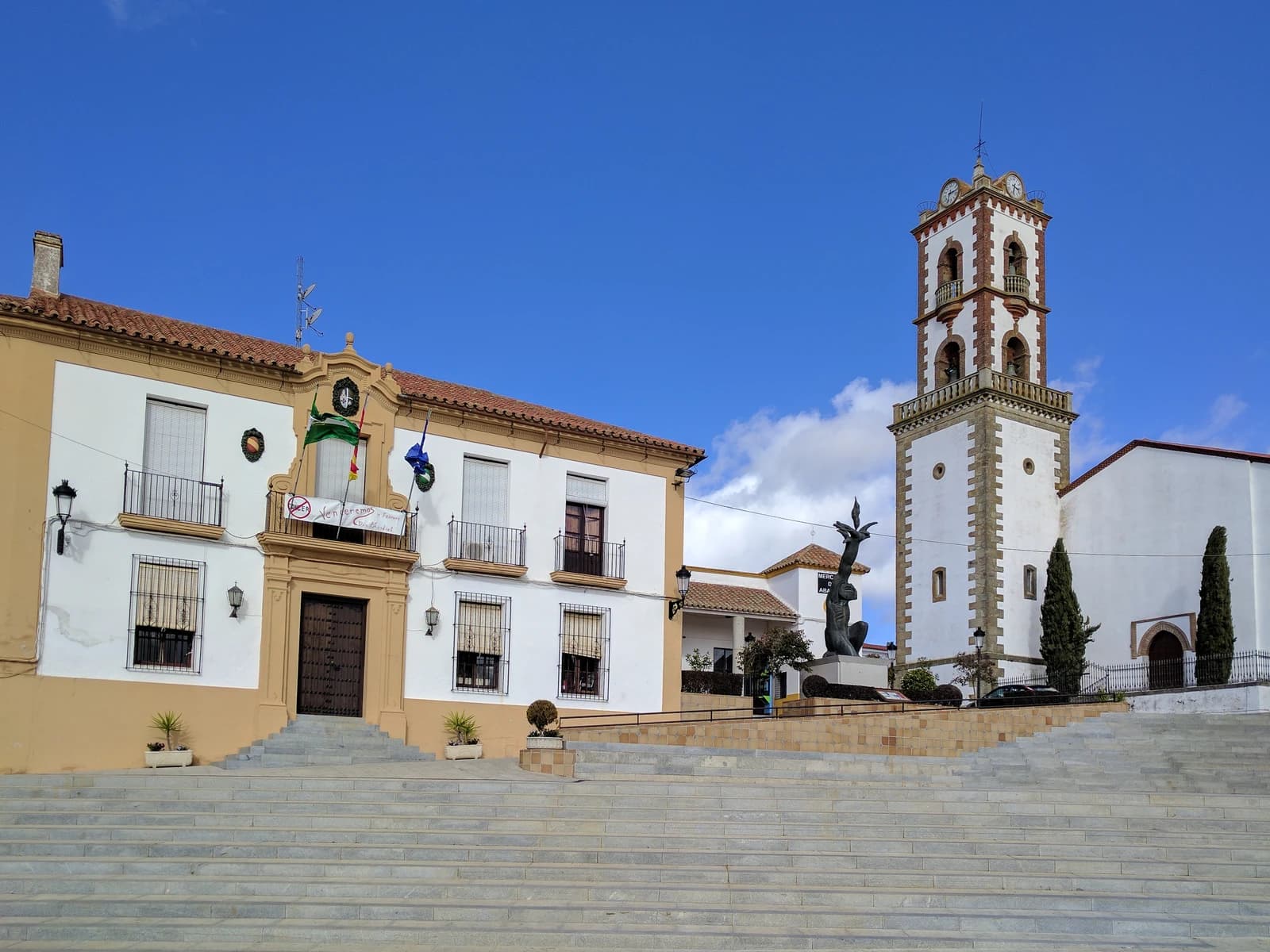
Houses in the Córdoba municipality of Fuente Obejuna have been priced at less than 400 euros per square meter, according to a real-estate portal ranking that places the town at the very bottom of Spain’s housing market. The gap underscores a broader split in Spanish property values between inland depopulated towns and the country’s more liquid coastal and urban markets, where demand and prices remain far stronger.
For investors and homebuyers, the significance is not the absolute cheapness itself but what it signals about liquidity, demographic risk and long-term appreciation potential. At under 400 euros a square meter, Fuente Obejuna sits far below the levels seen in Spain’s active resort and metropolitan hubs, where transaction volume, rental demand and price momentum are typically much higher. The ranking points to a market where affordability is extreme, but so is the challenge of finding buyers, tenants and financing depth.
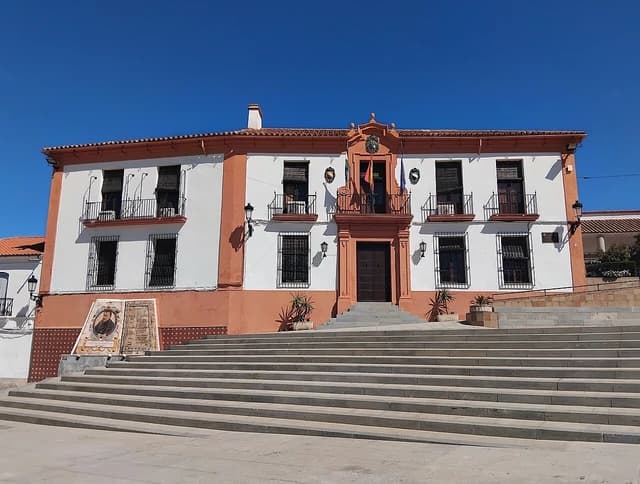
That contrast matters economically because Spain’s housing market is increasingly bifurcated. On one side are coastal and urban areas benefiting from tourism, foreign demand and stronger employment bases. On the other are inland towns, especially in parts of Andalusia and Castilla-La Mancha, where shrinking populations and weaker labor markets keep property values depressed. Fuente Obejuna’s position at the bottom of the national ranking is a symptom of that structural imbalance, not a one-off anomaly.
The cheapness also reflects the constraints of rural housing as an asset class. Low entry prices can attract bargain hunters, retirees and investors seeking yield, but they often come with higher renovation costs, thinner rental markets and little near-term price support. That is why the bear case is straightforward: low prices may not mean value if demand is structurally absent. The bull case is more selective, centered on buyers willing to accept illiquidity in exchange for a low-cost foothold in Spain’s property market.
The broader market context remains constructive for housing in Spain overall. The country continues to draw interest from lifestyle buyers and investors, especially in coastal areas, while sentiment in the housing sector has improved sharply. Technical readings on U.S.-listed homebuilding and housing-related names also point to renewed market appetite, with the XHB housing gauge showing elevated greed, even as the wider equity market remains more cautious. That makes the contrast with Fuente Obejuna even sharper: not all housing markets are being lifted by the same forces.
For investors, the ranking is a reminder that Spanish property exposure cannot be treated as a single trade. Coastal and metropolitan assets are tied to tourism, migration and earnings growth; inland rural homes are a different proposition entirely, driven more by lifestyle purchases than by capital appreciation. Fuente Obejuna may be the cheapest place to buy a home in Spain, but its price level also reflects the market’s verdict on demand.
| Entity | Gains | Losses |
|---|---|---|
| Budget buyers | ▲Lowest entry cost | ▼Limited resale upside |
| Local owners | ▲Potential new interest | ▼Weak valuation base |
| Urban/coastal markets | ▲Relative capital inflows | ▼Less attention from bargain seekers |
| Investors seeking liquidity | ▲More transparent demand | ▼Rural illiquidity risk |