Spain ICO Funds Lagoom Sevilla Housing Project

Spain’s state lender has deepened its push into affordable housing with a €73.2 million loan to Lagoom Living for the €143 million Sevilla Este development, a project that underscores how public credit is being used to unlock supply in one of the country’s most constrained residential markets.
The financing matters because it is not just another property loan: it is part of a broader policy effort to ease chronic housing shortages by crowding in private capital alongside EU recovery funds and municipal land. In a market where rents and house prices have remained elevated and affordability is a growing political flashpoint, the project adds 843 units to the pipeline in Seville, including 691 protected homes and 152 transitional units.
For investors, the deal highlights two themes. First, affordable rental housing remains one of the few segments in European real estate able to attract public backing and long-duration capital at a time when broader commercial property sentiment remains weak. Second, it shows that execution risk has not disappeared: development economics still depend on subsidies, planning coordination and construction delivery, even where financing is secured.
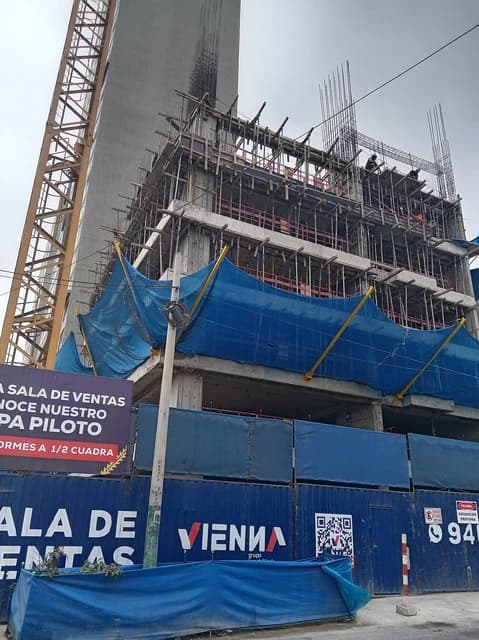
The Sevilla Este scheme is Lagoom Living’s largest in Andalusia and among the biggest affordable-rent developments in Spain. The company said the project combines capital from the ICO, €26 million from Next Generation EU funds managed by the Andalusian government, and support from the city of Seville and its housing agency Emvisesa. Construction began on July 16 and is being carried out by Sacyr, with Sogeviso set to run the completed project.
The ICO said the transaction lifts its total financing for Lagoom Living to €132.5 million, following a €59.3 million loan for the Distrito Universidad project in Málaga. That repeat commitment matters: it suggests the public lender is becoming a key counterparty for developers targeting lower-income rental stock, and it strengthens Lagoom’s access to capital in a sector where funding costs and regulatory complexity can otherwise slow expansion.
The broader backdrop is one of tight housing supply and a policy pivot toward faster production of affordable units. Spain has sought to mobilize public land, EU recovery money and institutional financing to push projects that private markets alone have not delivered at scale. Lower mortgage rates may be supporting housing demand, but they do little to solve the shortage of rental stock in urban areas, which is where this project is aimed.
For Lagoom Living, the loan is a validation of its public-private model and a way to de-risk a capital-intensive pipeline. For the ICO and policymakers, it is evidence that credit support can accelerate supply. For investors, the main takeaway is that Spain’s affordable housing segment is becoming more institutionalized — but returns will likely remain tied to policy support, execution discipline and the availability of cheap, long-tenor financing.
| Entity | Gains | Losses |
|---|---|---|
| Lagoom Living | ▲Funding certainty | ▼Higher project leverage |
| ICO / Spanish state | ▲Housing supply growth | ▼Balance-sheet exposure |
| Seville tenants | ▲More affordable units | ▼Limited immediate relief |
| Private rental market | ▲Policy-backed demand | ▼Competition for scarce land |