Spain Inflation Rises to 3.6% in July
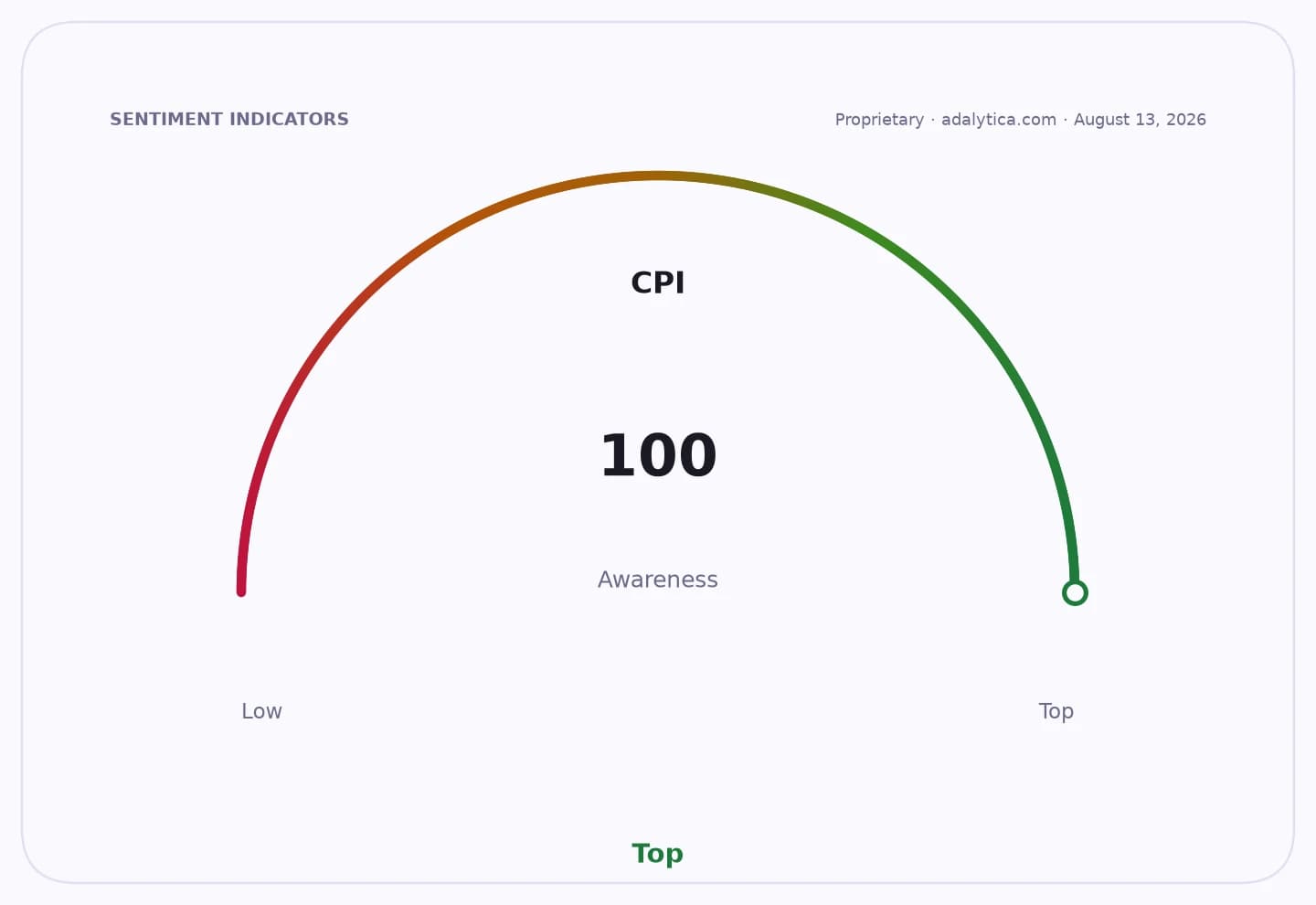
Spain’s inflation problem is flaring up again, and that matters because higher living costs can quickly squeeze household spending, complicate the European Central Bank’s job and keep pressure on consumer-focused stocks.
The consumer price index in Catalonia rose three tenths in July to 3.5% year on year, with fuel and electricity doing the heavy lifting. That fits the broader Spain picture, where inflation accelerated to 3.6% in July, the highest since May 2024, while the EU-harmonised measure ran even hotter at 3.9%. For investors, that is more than a headline number. It is a reminder that energy prices are still powerful enough to re-ignite inflation even when demand growth is uneven.
When fuel and power get more expensive, the effects ripple through the economy. Families have less left over for discretionary spending, businesses face higher operating costs, and wage demands can become harder to contain. That is especially relevant in a region like Catalonia, where consumer sentiment and tourism-linked spending matter to local growth. A sustained inflation pickup also raises the odds that the ECB has to stay cautious about easing too quickly, even if growth across Europe remains fragile.
Energy markets help explain why inflation is moving higher. U.S. oil prices have been volatile, with West Texas Intermediate around $84.77 a barrel on Aug. 11 after touching $109.76 in early May and then sliding sharply in August. That kind of swing tends to show up in transport costs and eventually in household energy bills. Adalytica’s proprietary oil trade signals still point to elevated greed in the commodity, suggesting traders are not fully pricing out another burst of energy-driven inflation.
For investors, the immediate winners are energy producers and the broader oil complex, which usually benefit when crude prices rise or remain elevated. The losers are consumers, airlines, utilities facing higher input costs and retailers that depend on strong household demand. The sector read-through is visible in exchange-traded funds too: the Energy Select Sector SPDR Fund has climbed to about $61.03, well above its 50-day and 200-day moving averages, while the Utilities Select Sector SPDR Fund has drifted to $43.84 and sits below both of those averages. That gap reflects a market that still prefers pricing power over rate-sensitive defensives when inflation is heating up.
The bigger lesson for long-term investors is that inflation rarely disappears in a straight line. It tends to return through energy first, then work its way into services and wages if policymakers stay behind the curve. Spain’s July reading is not a crisis by itself, but it is a useful warning that the cost-of-living story is not over. Investors should keep an eye on companies with real pricing power, strong free cash flow and durable demand, and remain diversified enough to ride out the next inflation pulse.
| Entity | Gains | Losses |
|---|---|---|
| Energy producers | ▲Higher realized prices | ▼Price-sensitive demand |
| Consumers in Spain | ▲— | ▼Higher fuel and power bills |
| Utilities sector | ▲Limited inflation hedge | ▼Higher input costs |
| Consumer stocks | ▲Pricing power leaders | ▼Discretionary spending pressure |