Spain backlash over Morocco 2030 World Cup co-host role
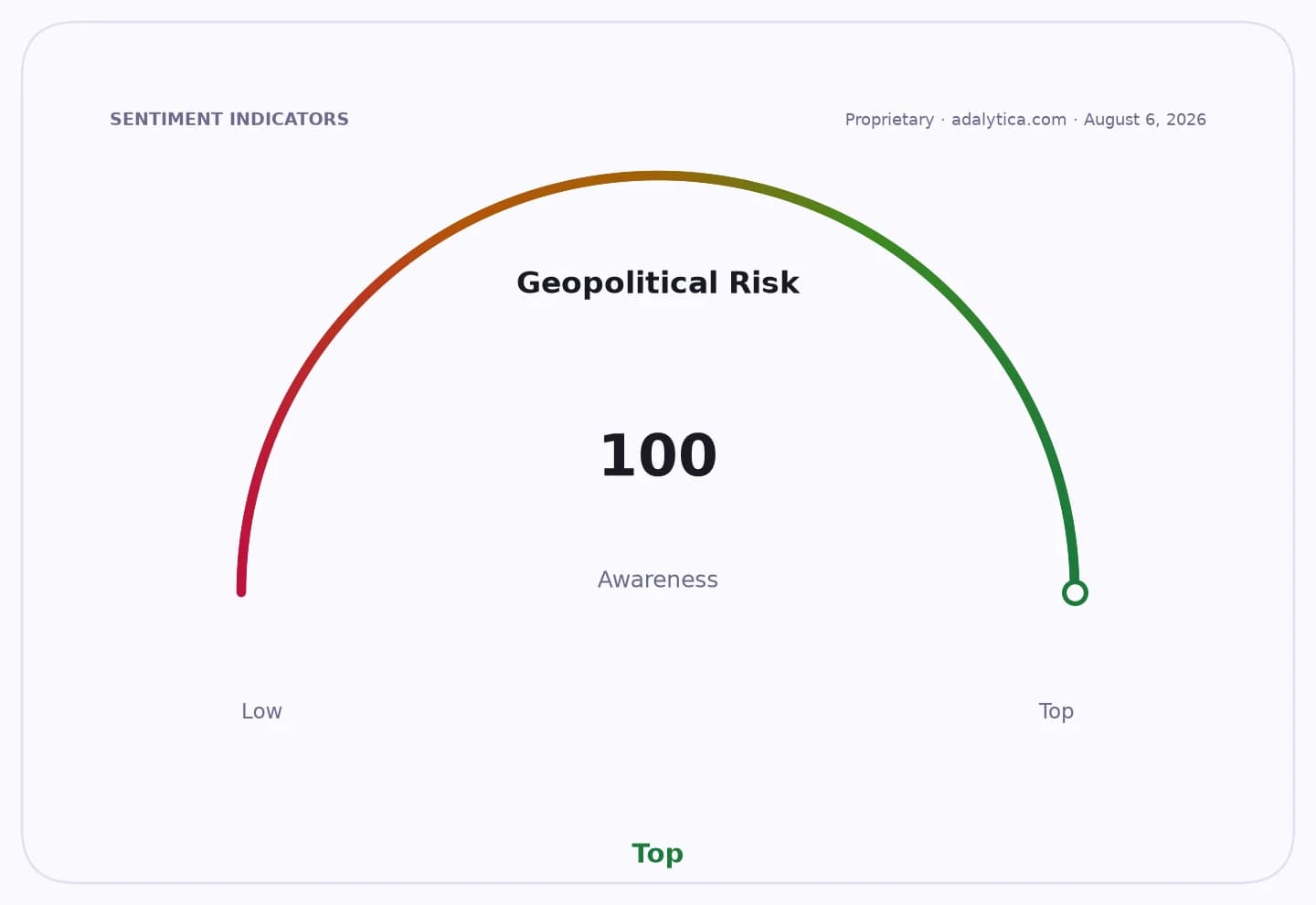
Spain’s political extremes are converging on the same target: Morocco’s role as a 2030 World Cup co-host, a dispute that could complicate FIFA’s plans and add a geopolitical overhang to one of football’s biggest commercial events.
The pushback matters because the 2030 tournament is already a six-country, three-continent arrangement meant to mark the centenary of the World Cup and showcase stability across Spain, Portugal, Morocco, Uruguay, Argentina and Paraguay. Any sustained political challenge in Spain raises the risk of fresh noise around hosting logistics, security planning and the image of a tournament FIFA wants to sell as globally unified.
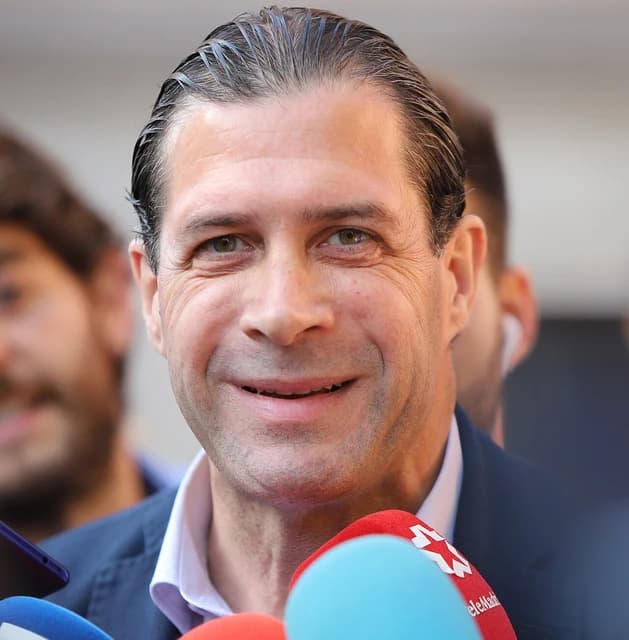
The controversy also lands against a sensitive backdrop. Critics have tied the debate to broader tensions between Madrid and Rabat, including migration and border issues, making Morocco’s place in the event more than a sports question. FIFA has already faced scrutiny over transparency after denying reports that President Gianni Infantino offered Morocco the final in exchange for re-election support.
For investors, the immediate read is less about stadium revenues than about event risk. The World Cup is a major sponsorship, media-rights and tourism asset for Europe’s sports economy, and any political escalation that dents confidence in the host structure can matter for broadcasters, venue operators and companies exposed to cross-border travel and consumer spending.
Spain-listed exposure has been broadly resilient despite the political backdrop. The iShares MSCI Spain ETF, EWP, rose to $62.37 on Aug. 6, near a fresh high and above its 50-day moving average of $58.88, while RSI readings at 67.9 point to strong momentum. The iShares MSCI Europe Financials ETF, EURL, also held firm at $50.79, supported by a 50-day average of $46.07.
Broader Europe risk appetite remains strong as well, with Adalytica’s Global Stability Sentiment gauge at 86, labeled “Extreme Greed,” and Euro Trade Signals at 100, also “Extreme Greed.” That suggests markets are not yet pricing a major disruption, but any escalation around Morocco’s role could test that calm.
The next catalyst is whether Spain’s domestic backlash stays rhetorical or grows into formal pressure on FIFA and host organizers ahead of more detailed planning for 2030. If it does, the story could shift from a political spat into a fuller risk premium for the tournament’s European hosts.
| Entity | Gains | Losses |
|---|---|---|
| Spain far left/right blocs | ▲Domestic political traction | ▼Room for compromise |
| Morocco | ▲Visibility as co-host | ▼Hosting legitimacy |
| FIFA | ▲No gain if dispute fades | ▼Transparency scrutiny |
| Spain/Portugal 2030 hosts | ▲Stronger public debate | ▼Planning uncertainty |