Spain Real Estate Firms Surge as Builders Lag
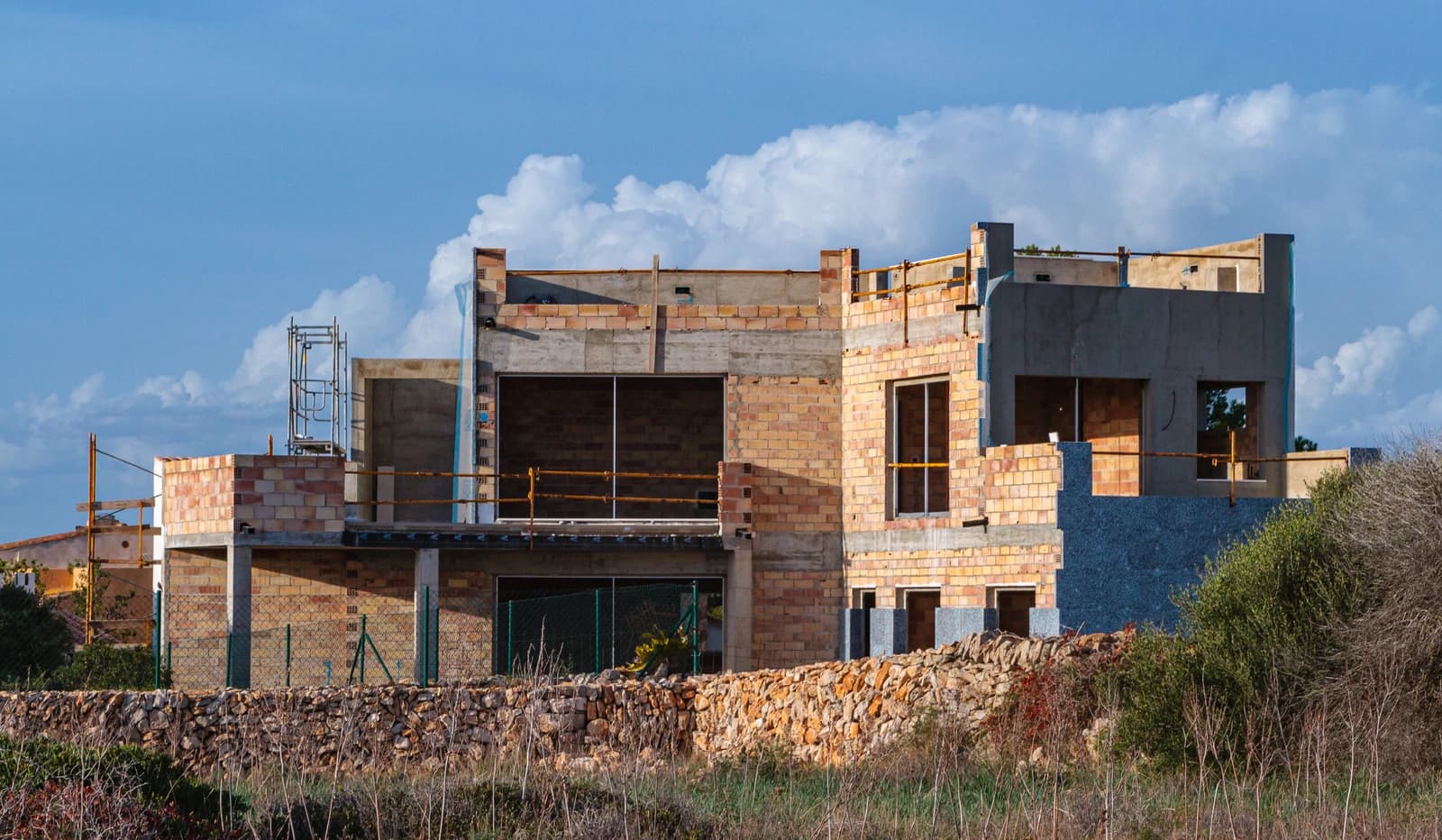
A red-hot housing market in Spain is doing more than lifting prices and transaction volumes: it is pulling a wave of new capital and entrepreneurs into real estate while leaving builders behind.
That is the key investment message in the latest registration data, which show the creation of real estate companies jumped 92% in the year to date versus the same period in 2025, according to Iberinform. Construction and property activities now account for 25% of all new companies in Spain, ahead of business services, retail and hospitality, underscoring how housing has become one of the country’s strongest engines of business formation.
The split between property intermediaries and actual homebuilders is what matters most. New construction firms are down 37% from a year earlier, even as real estate businesses tied to brokerage, sales, management and advisory work are surging. That tells us this is not a broad-based building boom. It is a margin-rich, asset-light cycle centered on monetizing scarce housing stock, rising prices and higher turnover.
For investors, that is a powerful setup. In a market where supply still is not keeping pace with household formation, the winners are increasingly the toll collectors around the transaction rather than the developers trying to add new inventory. Agencies and consultancies brought in 9.4 billion euros in revenue in 2025, up 9.3%, and have increased sales by roughly 45% in two years. That kind of acceleration is exactly what attracts new entrants, even if it also raises the risk of crowded competition.
The scale of the opportunity is visible in the structure of the market. Spain counted 215,591 real estate companies at the start of 2025, and 94.4% had two employees or fewer. In other words, this is a deeply fragmented industry where low barriers to entry can quickly create an arms race for listings, clients and local market share. DBK also counted more than 60,000 firms providing real estate services for third parties, another sign that the ecosystem around housing is expanding fast.
But the boom has a darker side: churn. Real estate businesses accounted for 24% of all company dissolutions in the period, and closures were up 80% year on year. That is the cost of a hot, highly competitive sector. New firms are rushing in to capture fees from a housing market that is still generating price power, while weaker operators are being pushed out.
The broader macro backdrop helps explain why this matters now. Mortgage rates in Spain remain elevated by historical standards, yet housing demand has stayed resilient and prices continue to climb. That combination supports transaction-linked businesses even as it squeezes affordability and keeps the construction side of the industry under pressure. The market is effectively rewarding anyone who can extract value from constrained supply.
This is why the best way to play the housing cycle is not always through raw homebuilding. I believe the more asymmetric opportunity lies in the businesses that benefit from turnover, valuation uplift and advisory demand — the agencies, property platforms, service providers and financing-linked names that monetize activity without carrying the same balance-sheet risk as builders. If the housing cycle stays tight, these are the firms that can compound faster than consensus expects.
For Spain, the message is clear: the housing boom is no longer just a story about bricks and mortar. It is a story about the expanding business economy built on top of them. And for investors, that makes the real opportunity look less like construction and more like the infrastructure of transactions.
| Entity | Gains | Losses |
|---|---|---|
| Real estate agencies | ▲Higher fees, more transactions | ▼Crowded competition |
| Property consultancies | ▲Rising advisory demand | ▼Margin pressure from entrants |
| Homebuilders | ▲Limited direct upside | ▼37% fewer new firms |
| New entrants | ▲Access to a hot market | ▼High churn and closures |