Spear REIT buys Watergate Centre for R422m
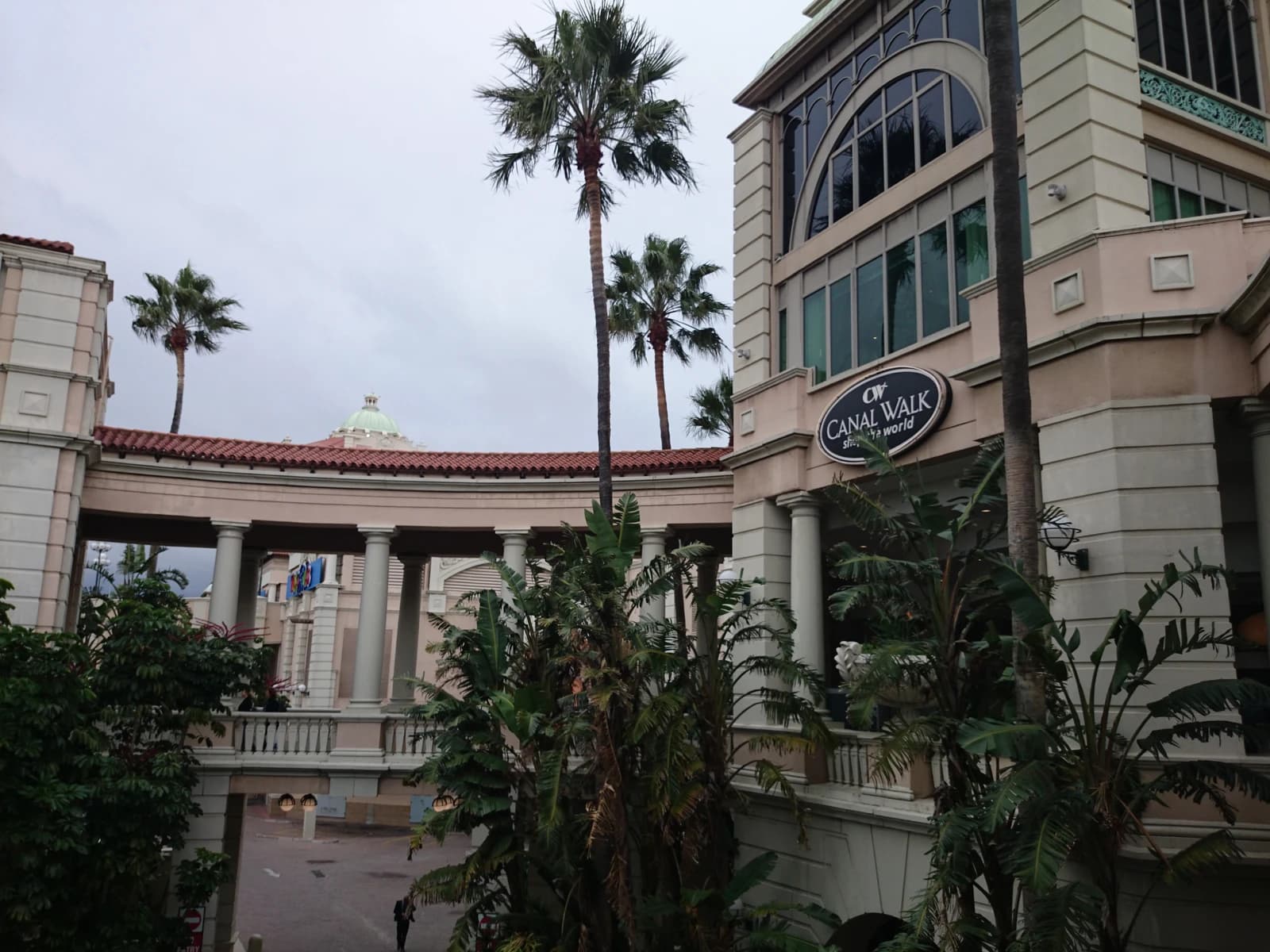
Spear REIT has bought Cape Town’s Watergate Centre for R422 million, extending a Western Cape acquisition spree that is reshaping the group’s earnings base and giving investors a clearer line of sight to growth from one of South Africa’s more resilient property markets.
The deal matters because it is not just another property trade: it is part of a deliberate capital allocation strategy that has already lifted Spear’s portfolio value, expanded its footprint in the greater Cape Town area and added accretive income at a time when many listed property owners remain constrained by debt, slower tenant demand and uneven consumer spending.
Watergate Centre in Mitchells Plain spans 19,681 m² and is anchored by national retailers including Shoprite, Capitec, PEP and Mr Price. Spear said the asset delivers an initial yield of 8.37%, carries an average lease term of 24 months and includes a scheduled rent increase of 6.70%, making it immediately earnings-enhancing if the income stream holds. The acquisition forms part of two recent Western Cape purchases — Watergate and 1 Sportica Crescent in Tygervalley — that together cost R1.402 billion and added 48,169 m² to the portfolio at an average acquisition yield of 8.99%.
For investors, the significance is twofold. First, the group is translating equity raising into hard assets rather than sitting on cash in a choppy rates environment. Spear raised R1 billion in April and another R108 million through its dividend reinvestment programme in June, leaving about R800 million of liquidity after acquisitions. Second, the portfolio is becoming more concentrated in a region where Spear believes it has an information and operating advantage. The company now owns 42 properties, all in the Western Cape, with most in greater Cape Town, and says assets in the portfolio were worth R8.4 billion after the latest transactions, up from R7.1 billion as of July.
The timing also helps explain investor interest. South African rate expectations have eased only gradually, while inflation has remained sticky enough to keep funding costs relevant for real estate owners. In that setting, yield discipline matters more than simple balance-sheet expansion. Spear’s initial yields on the two latest buys — 8.37% on Watergate and 9.67% on 1 Sportica Crescent — suggest the company is buying income rather than hoping for a valuation rerating. Its loan-to-value ratio of 7.48% and interest cover of 6.02 times also leave it unusually well placed among smaller REITs to keep adding stock without stretching leverage.
Operationally, the acquisition story is backed by solid trading metrics. Spear said first-half revenue rose 28.29% and net operating income climbed 29.41%, while occupancy stood at 96.37% and cash collections at 99%. Retail occupancy was 97.17%, industrial occupancy 97.98% and commercial occupancy 90.24%. Those figures matter because they show the Western Cape strategy is not just about buying assets, but about acquiring properties that can be defended through tenant retention and rent escalations.
There are risks. A concentrated geographic strategy can magnify exposure to one regional economy, and a shopping centre in Mitchells Plain still depends on consumer spending from a lower- to middle-income customer base that is vulnerable to unemployment and rising living costs. Spear also noted that the earnings contribution from the new assets is not yet reflected in current guidance, which means there is still execution risk around transfer timing and integration. But the bull case is straightforward: if Spear can keep recycling capital into assets with yields above its financing cost and maintain high occupancy, distribution growth should remain above inflation.
The company has guided for distribution per share growth of 6% to 8% in fiscal 2027 versus fiscal 2026 while maintaining a 95% payout ratio. With acquisitions, development spending in industrial property and a development pipeline in George and Blackheath, the Watergate purchase reinforces a simple narrative: Spear is using a strong balance sheet to compound in a market segment where scale, local knowledge and disciplined underwriting can still produce attractive returns.
| Entity | Gains | Losses |
|---|---|---|
| Spear REIT | ▲Higher income, portfolio growth | ▼More regional concentration |
| Existing Spear unitholders | ▲DIPS growth potential | ▼Near-term execution risk |
| Watergate Centre retailers | ▲Stable landlord, long leases | ▼Less pricing flexibility |
| Competing Western Cape landlords | ▲Valuation pressure | ▼Loss of acquisition opportunity |