SPY at 747.03 as socialist policy debate grows

A democratic socialist in the White House would matter far less for markets than the policies that could follow, and that is exactly why investors should pay attention to the growing activist energy behind the idea.
The immediate economic significance is not the slogan itself. It is the possibility of a sharper push toward higher taxes on capital, tougher regulation of big business, stronger labor power and a more aggressive federal role in housing, health care and industrial policy. Those are the kinds of changes that can alter profit margins, borrowing needs and valuations across the market.

That matters because Wall Street is already pricing in a world where policy and politics sit closer to the center of investing. The S&P 500, tracked by SPY, has recovered to 747.03 after a volatile spring and summer, while the 50-day moving average sits near 744.22 and the 200-day average near 697.41. That tells investors the market has been resilient, but not complacent. Technical gauges are mixed rather than euphoric, with the RSI at 48.4 and the MACD still slightly negative, a reminder that leadership can shift quickly when policy uncertainty rises.
Bond markets are sending a similar message. The 10-year Treasury yield has climbed back to 4.68%, while the Fed funds rate sits around 3.63% with only a tiny move lower forecast for next month. In plain English, money is still expensive, and that makes any promise of more public spending, more redistribution or more regulation much harder to dismiss. Higher rates also raise the bar for companies dependent on future growth and cheap capital.
For investors, the key question is not whether a democratic socialist agenda would be good or bad in the abstract. It is which businesses would be forced to absorb more cost, which sectors might see demand shift, and which firms could benefit from government-backed investment. Utilities, health insurers, banks, defense contractors and large technology platforms would likely face the most scrutiny. Clean energy, infrastructure, affordable housing, public transit and unions could gain political momentum if the movement translates into policy.
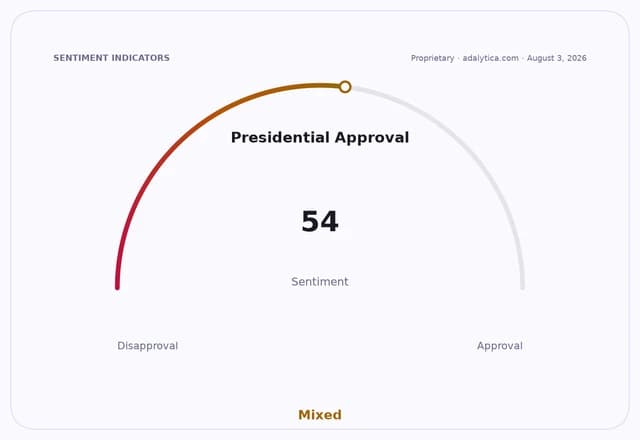
The broader backdrop helps explain why this idea has traction. Adalytica’s U.S. congressional gridlock sentiment is at an extreme, suggesting many investors and voters expect little from Washington’s current balance of power. Meanwhile, U.S. presidential approval sentiment is neutral, which leaves room for outsider economics to sound appealing. In periods like this, markets often underestimate how quickly public frustration can turn into a durable policy realignment.
That is why long-term investors should think in years, not election cycles. A socialist candidate or platform does not automatically mean weak returns. Some of the best opportunities in the market come from adapting to political change, not fighting it. The real task is to own a diversified portfolio, stay focused on cash flow and competitive advantage, and avoid making every election a market call.
If activist politics keep moving from the fringe to the mainstream, the smart move is not panic. It is preparation. Keep an eye on sectors with the most policy exposure, but remember that resilient businesses can compound through almost any administration. For patient investors, this story is worth watching closely.
| Entity | Gains | Losses |
|---|---|---|
| Labor unions | ▲Stronger bargaining power | ▼Corporate labor flexibility |
| Clean energy and infrastructure firms | ▲More public spending | ▼Fossil-fuel incumbents |
| Big banks and insurers | ▲Little immediate gain | ▼Higher regulation risk |
| Large-cap growth stocks | ▲Continued market resilience | ▼Higher tax and policy pressure |