SPY Near Highs as Yields Stay Elevated
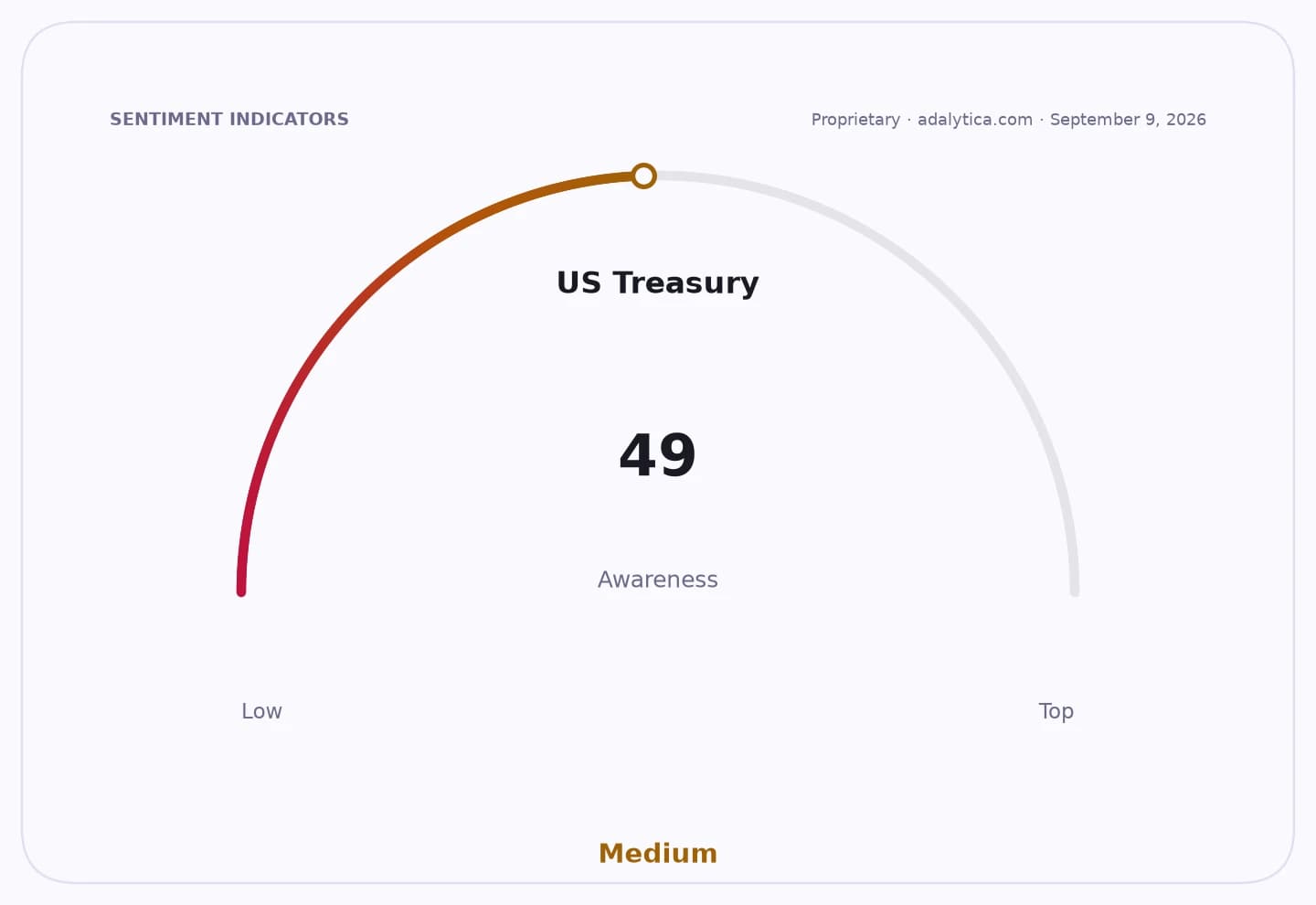
Loads of statistics point to the same conclusion: the odds of a sustained stock break higher are low unless bond yields retreat and fear eases first.
That is the real market story now. The S&P 500 proxy SPY is sitting just under its recent highs at 765.96, but the technical picture looks more like a fragile range than a confirmed breakout. The ETF is only modestly above its 50-day moving average at 757.6 and still far above its 200-day average at 710.43, yet momentum has cooled. RSI readings are back at 48.5, while MACD remains positive but has narrowed. In plain English: the trend is intact, but the easy part of the rally is over.
The bigger constraint is macro. The 10-year Treasury yield is now forecast around 4.788%, a level that keeps the discount rate for equities uncomfortably high and pressures valuations, especially in long-duration growth and mega-cap tech. At the same time, unemployment is expected to hold near 4.02%, which tells investors the labor market is not breaking hard enough to force a rapid policy pivot. That combination — sticky yields, no recession panic and still-firm economic data — is a difficult setup for bulls who want both lower rates and stable earnings.
What makes the current move more interesting is the psychology around it. Adalytica’s S&P 500 Trade Signals show sentiment at 9.0, labeled Extreme Fear, even as awareness remains neutral. That kind of fear reading often creates tradable opportunities, but it can also be a warning that investors are already defensive and reluctant to chase strength. When sentiment is this depressed while the index is still near record territory, the market is not pricing a clean breakout. It is pricing hesitation.
That hesitation matters for investors because it changes where the money works. If yields stay near 4.8%, the market is likely to keep rewarding cash-flow-heavy, balance-sheet-strong winners over speculative duration. Treasury bonds are flashing the opposite signal, with Adalytica’s bond gauge at 89.0 and labeled Extreme Greed, a sign that investors are crowding into duration protection. The dollar is also showing greed at 75.0, which tends to tighten financial conditions further and limit the upside for risk assets abroad and in rate-sensitive corners of the market.
The narrative is not that stocks are collapsing. It is that the market is trapped between two powerful forces: resilient growth that prevents aggressive easing, and yields high enough to cap multiples. That is why the chance of a clean, broad-based surge looks low right now. The S&P 500 can still grind higher if earnings keep surprising and yields ease, but the burden of proof sits with the bulls.
For investors, the takeaway is simple. This is a market to respect, not chase. I believe the best positioning is still in quality equities with pricing power and in beneficiaries of persistent capital spending, while keeping dry powder for a more attractive entry if bond yields finally roll over. If the 10-year stays near 4.8% and fear remains elevated, rallies are more likely to be sold than trusted.
| Entity | Gains | Losses |
|---|---|---|
| Treasury bonds | ▲Haven demand | ▼Yield upside |
| Dollar | ▲Safe-haven flows | ▼Risk appetite |
| Quality equities | ▲Relative support | ▼Speculative growth |
| Broad stocks/SPY bulls | ▲Pullback buyers | ▼Breakout chasers |