SPY Pulls Back as TLT Slips on Risk-Off Move

U.S. stocks lost momentum on Monday as a broad risk-off move rippled through global markets, with the S&P 500 ETF closing lower and Treasury prices also easing as investors rotated into cash and defensive positioning.
That matters because the selloff was not a single-asset panic. The combination of a softer SPY, a lower TLT and a firmer dollar points to a market repricing around growth, policy and geopolitical uncertainty rather than a simple equity pullback. When both stocks and bonds struggle at the same time, it usually means investors are demanding a higher risk premium across the board.
SPY finished at 761.78 on Sept. 1 after trading as high as 764.67, extending a modest pullback from 769.35 on Aug. 28. The fund remains well above its 200-day moving average near 708.29, but short-term momentum has cooled: RSI readings fell to 38.4, down from 45.9 the prior session, while the MACD stayed positive but narrowed. That is the kind of setup that tells traders the trend is intact, but the market has stopped rewarding dip buyers in the near term.
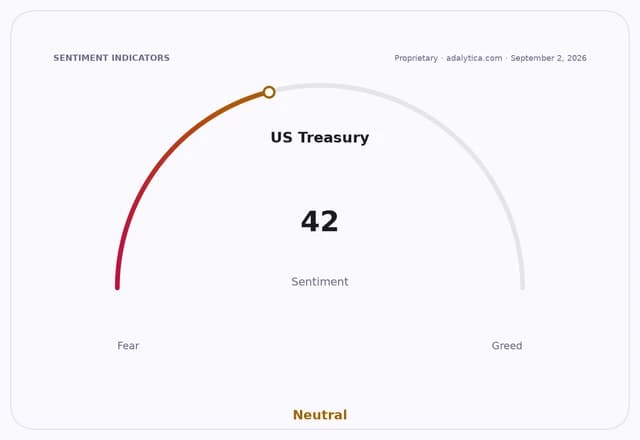
Treasuries offered little shelter. TLT slipped to 81.87 from 82.20, with the 10-year proxy still below its 50-day and 200-day moving averages. The U.S. dollar was firmer on Adalytica’s trade signals, while the S&P 500’s proprietary awareness gauge remained in “Extreme Fear” territory even as sentiment stayed neutral. In plain English, investors are alert to downside risk, but not yet convinced they should abandon equities altogether.

The backdrop remains a global one. A weak tone in Asian markets, including a sharp drop in Japan’s Nikkei, underscored the pressure on risk assets, while India’s Sensex selloff and a slide in gold showed that capital is being forced to choose between safety and liquidity. That mix often shows up when traders are recalibrating growth expectations and waiting for the next macro catalyst.
For investors, the message is not to chase every red day, but to respect the shift in market character. High-quality megacap stocks, cash-generating defensives and balance-sheet strength should outperform if volatility persists, while rate-sensitive and speculative names remain vulnerable. If this turns into a deeper de-risking phase, the first opportunity will likely be in buying leadership on forced weakness rather than trying to catch the broad market knife.
| Entity | Gains | Losses |
|---|---|---|
| Cash / defensive positions | ▲Lower drawdown risk | ▼Missed upside |
| High-quality megacaps | ▲Relative inflows | ▼Valuation compression risk |
| Speculative growth stocks | ▲— | ▼Higher risk-premium pressure |
| Treasury bulls | ▲Safety bid if growth slows | ▼Weak price action now |