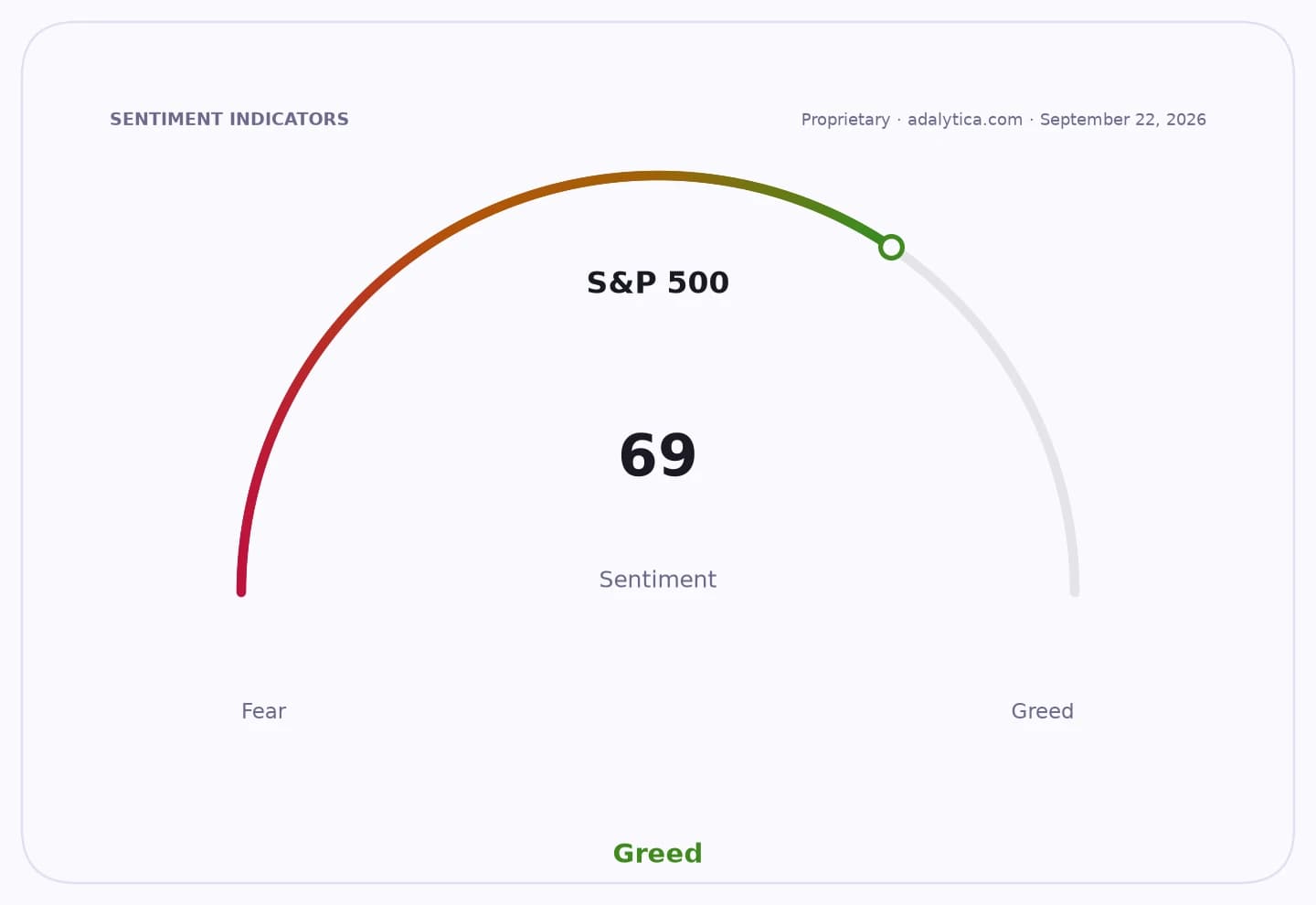
Broad U.S. equity benchmarks are still holding near record territory, but the gap between large-cap tech and small caps is underscoring why diversification matters for investors trying to ride out a late-cycle market.
SPY, QQQ and IWM Show a Narrow Market

The S&P 500 ETF SPY closed at 767.52, the Nasdaq-100 ETF QQQ ended at 741.29 and both sit well above their 50-day and 200-day moving averages. The Russell 2000 ETF IWM, by contrast, finished at 281.25, more than 4% below its 50-day average and still under pressure relative to the large-cap indexes.
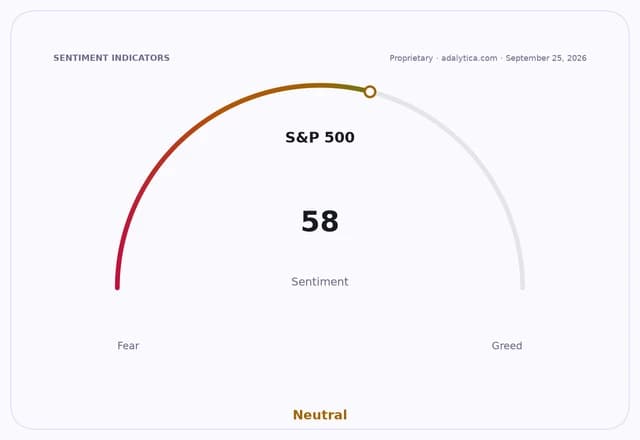
That split is exactly the kind of backdrop that gives portfolio diversification its economic value. When a market narrows around a handful of mega-cap names, investors concentrated in one style, sector or size bucket can see outsized volatility even if the broader market looks calm. Diversification across size, sector and geography helps smooth those swings by spreading exposure across businesses that do not all depend on the same interest-rate, growth or earnings backdrop.
The technical picture also shows how quickly sentiment can shift. SPY’s relative strength index is near neutral at 49.3 after trading as high as 82 earlier this year, while QQQ’s RSI is a more elevated 65.0. IWM’s RSI has slid to 22.7, a level that reflects heavy recent selling and highlights how small caps have been left behind as investors favored larger, more liquid names.
That is where the classic diversification playbook comes in. Broad U.S. exposure through funds such as Vanguard Total Stock Market ETF VTI can capture the market’s winners without leaning too hard on any single stock, while Vanguard Total International Stock ETF VXUS adds exposure to 8,790 non-U.S. names across Europe, the Pacific and emerging markets. For investors, that matters because international stocks can provide a hedge if U.S. growth cools, the dollar moves, or geopolitical risks hit domestic markets.
The narrative is not that diversification beats every hot theme in the short run. It is that, in a market still led by a narrow set of large-cap winners, a portfolio built to cover more ground is better positioned to absorb the next shift in rates, earnings or risk appetite.
| Entity | Gains | Losses |
|---|---|---|
| Broad index investors | ▲More stable returns | ▼Less upside from single-stock bets |
| Mega-cap growth names | ▲Continued leadership | ▼Smaller-cap rivals |
| Small-cap stocks | ▲Oversold rebound potential | ▼Relative performance pressure |
| International equities | ▲Diversification demand | ▼U.S.-only portfolios |