SPY, QQQ Options Premium Trade Explained
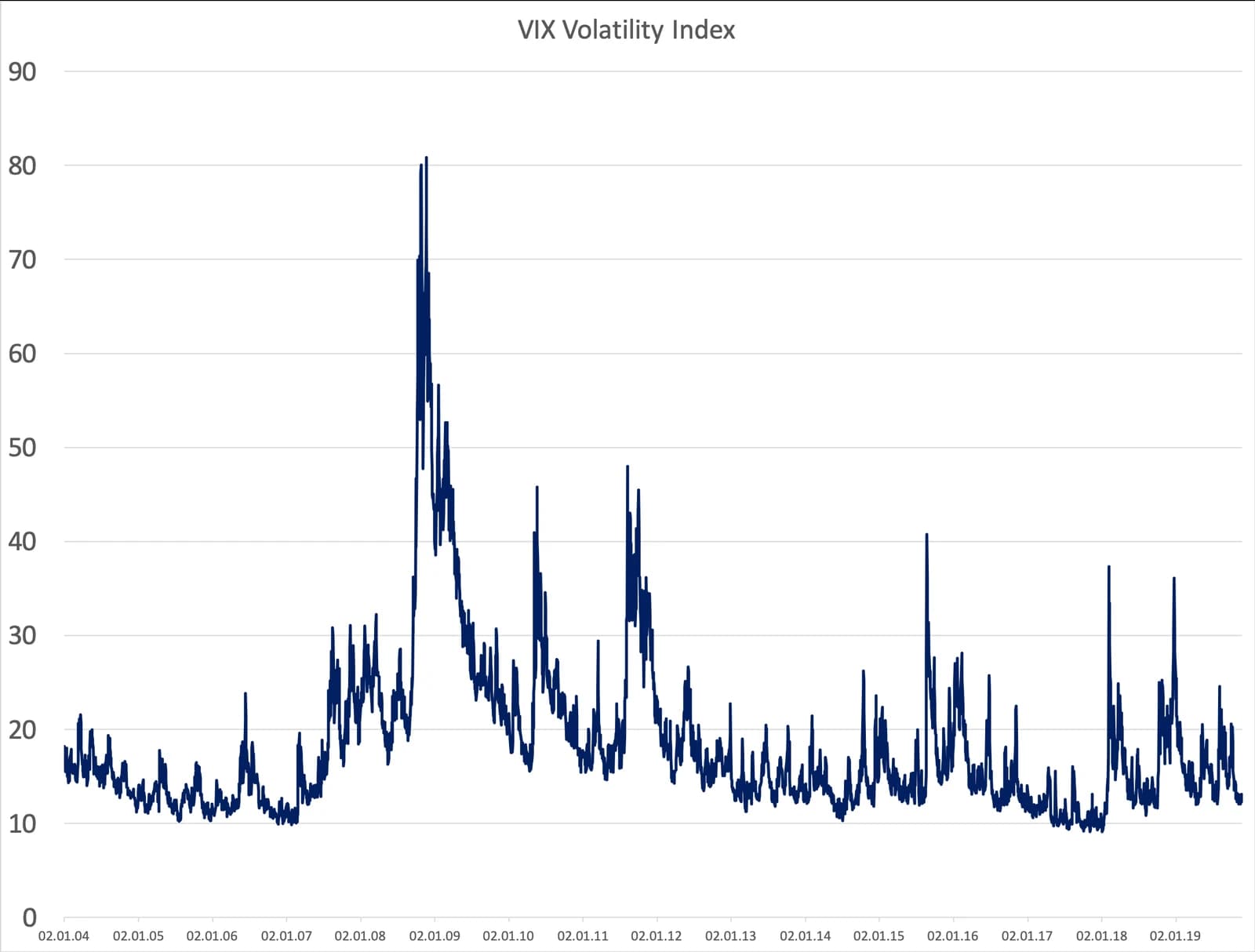
The real edge in U.S. equities right now is not picking a side on stocks, but harvesting the gap between what options imply and what the market actually delivers.
That gap — the variance risk premium — remains one of the most durable trades in index markets, and the latest tape in the S&P 500 ETF underlines why it still matters. SPY closed at 777.88 on Aug. 13, just below its upper Bollinger Band at 785.99, while the 50-day moving average sits at 748.06 and the 200-day at 702.27, a reminder that the index has reasserted a powerful uptrend even after a sharp spring drawdown. QQQ, meanwhile, finished at 732.07, also pressing toward its own upper band, with the Nasdaq-100 trade still being rewarded despite bouts of violent volatility.
For investors, that matters because the premium embedded in index options is not just noise — it is a persistent source of return for sellers who can tolerate the path. When implied volatility stays richer than realized volatility, option writers collect the spread. In plain English: they get paid for insuring a move that often never fully arrives. The current setup suggests that dynamic is alive and well, even as sentiment ebbs and flows. Adalytica’s S&P 500 trade signals show sentiment at 48, neutral, while awareness remains elevated at 81, a combination that implies crowded attention but not outright panic.
The pricing backdrop backs that up. SPY’s 14-day RSI at 76.8 shows momentum is stretched, but not necessarily terminal, and MACD remains above its signal line at 8.349 versus 5.823. QQQ’s RSI at 69.9 and MACD at 4.588 against a 0.107 signal line point to similar strength in megacap growth. That kind of tape is exactly where the market keeps paying to hedge, because investors remember how quickly rallies can reverse — and that hedging demand helps keep implied volatility bid.
That is why the volatility sellers are the real consistent winners here. Banks, market makers and listed-options venues benefit when investors continue to pay up for protection or for leveraged upside that decays faster than expected. Cboe, the flagship U.S. options exchange, has long built its franchise around this market structure, while peers such as CME and ICE profit from the broader churn in derivatives and risk transfer. The more institutions, funds and retail traders use index options to express views, the larger the pool of premium available to be harvested.
The market’s recent swings make the case more compelling, not less. SPY fell as low as 646.90 in March before rebounding to 777.88, and QQQ slid to 661.73 in late July before recovering to 732.07. Those moves reinforce a key lesson: realized volatility does not need to be low all the time for the option-selling premium to work; it only needs to come in below what the market has already priced. That is the structural asymmetry hidden inside index options, and it is why the trade persists through both rallies and corrections.
For investors, the opportunity is less about forecasting the next market direction and more about owning the infrastructure that monetizes uncertainty. That means looking at the exchanges, the clearing ecosystem and the brokers that intermediate hedging demand, rather than trying to guess every turn in the S&P 500 itself. If the market keeps swinging between complacency and fear, the fee pools and spread capture around listed options should stay robust.
The takeaway is simple: if you believe U.S. equities will continue to trend with periodic shocks, the smarter trade is often not to predict the next move, but to own the machinery that gets paid when everyone else is forced to buy protection. The variance risk premium is the hidden toll road, and for now it still looks open for business.
| Entity | Gains | Losses |
|---|---|---|
| Options sellers | ▲Collect volatility premium | ▼Face tail risk |
| Cboe, CME, ICE | ▲Higher derivatives activity | ▼Lower trading urgency |
| Hedgers/buyers of protection | ▲Risk transfer | ▼Pay rich implied vol |
| Directional stock traders | ▲Trend participation | ▼Whipsaw risk |