SSS’s plan to set aside ₱40 billion for household solar loans matters because it could open a large new channel of retail financing just as banks across Asia are tightening credit to households and investors are looking for faster, cheaper ways to fund the shift away from fossil fuels.
SSS Solar Loans Could Boost Philippine Rooftop Demand
The proposal would place a major state-backed lender behind rooftop solar adoption, potentially lowering one of the biggest barriers for Filipino households: upfront cost. That makes the initiative more than a clean-energy headline. It is a credit story, a power-cost story and, ultimately, a consumer-balance-sheet story. If structured well, the loans could expand demand for distributed solar equipment, support installers and financing partners, and reduce electricity bills for borrowers over time. For a country exposed to volatile imported fuel prices, that has direct economic value.
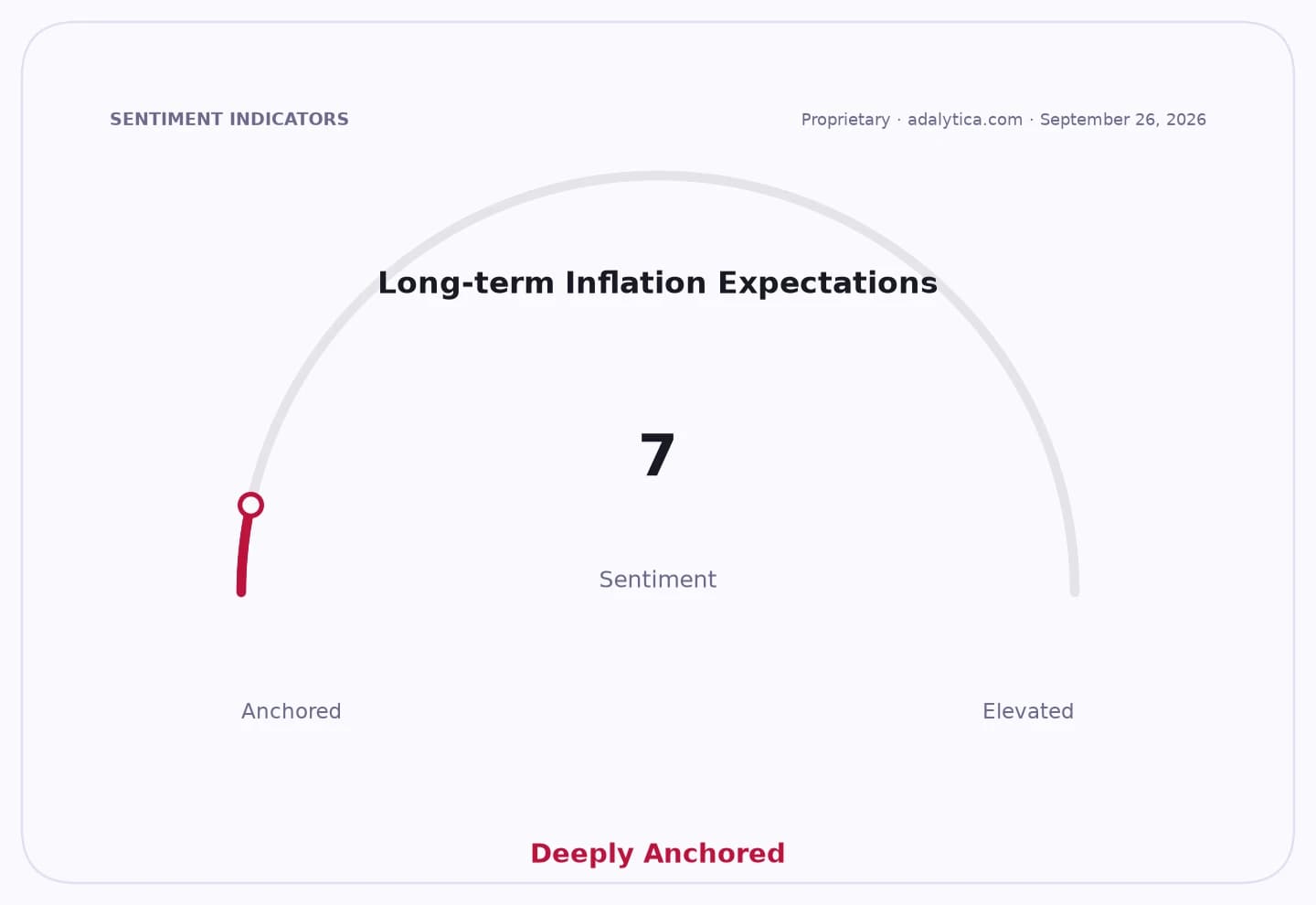
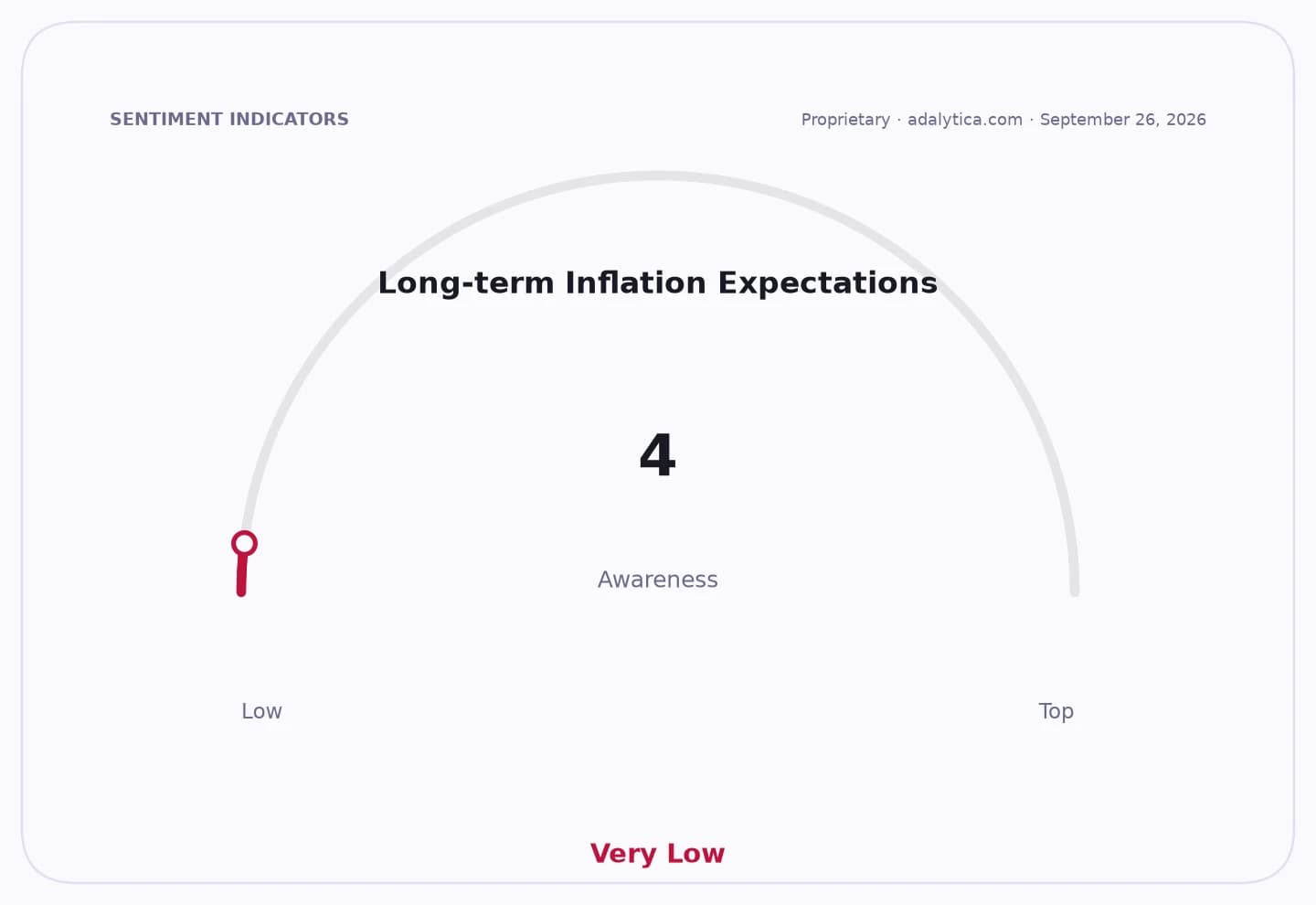
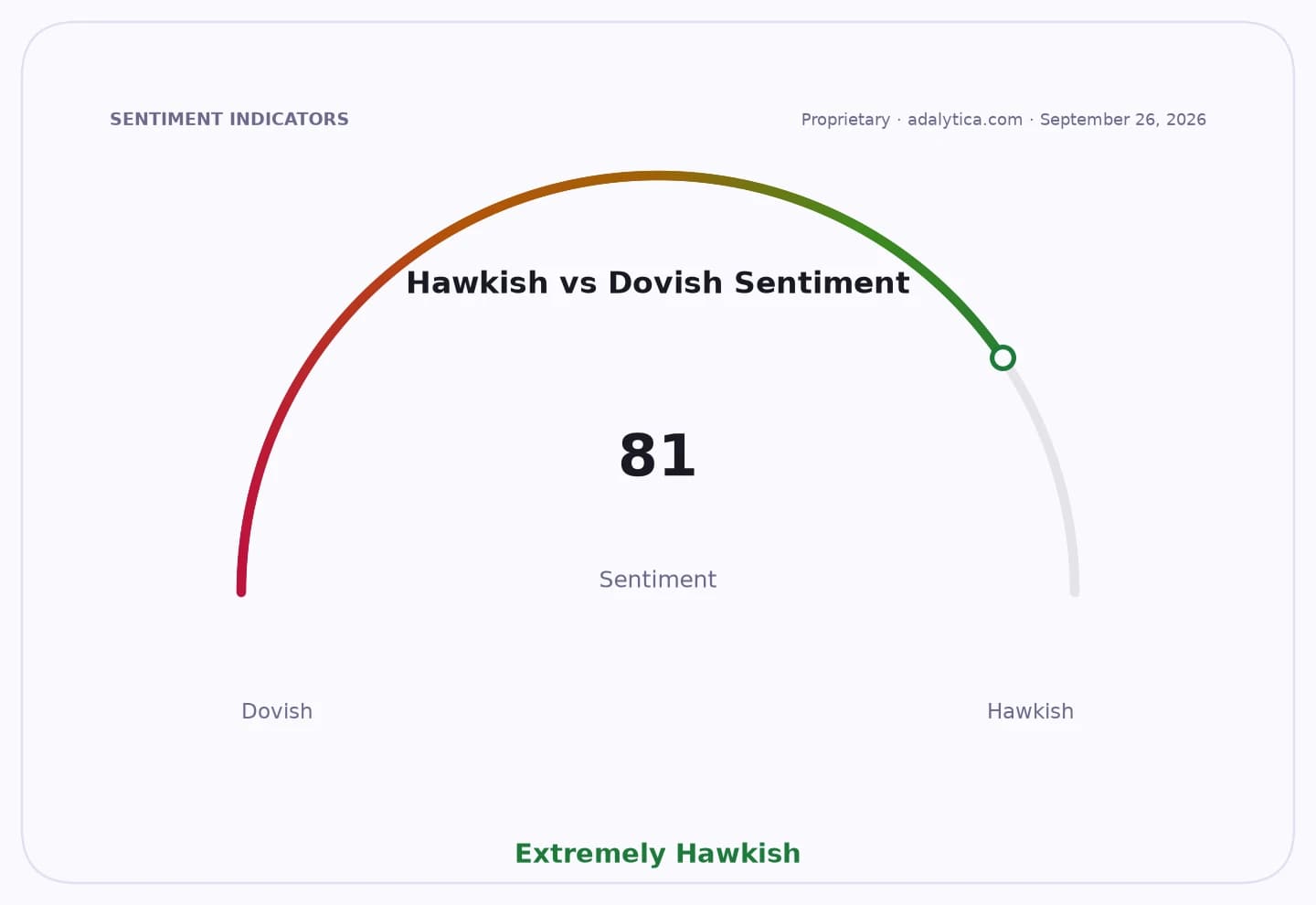
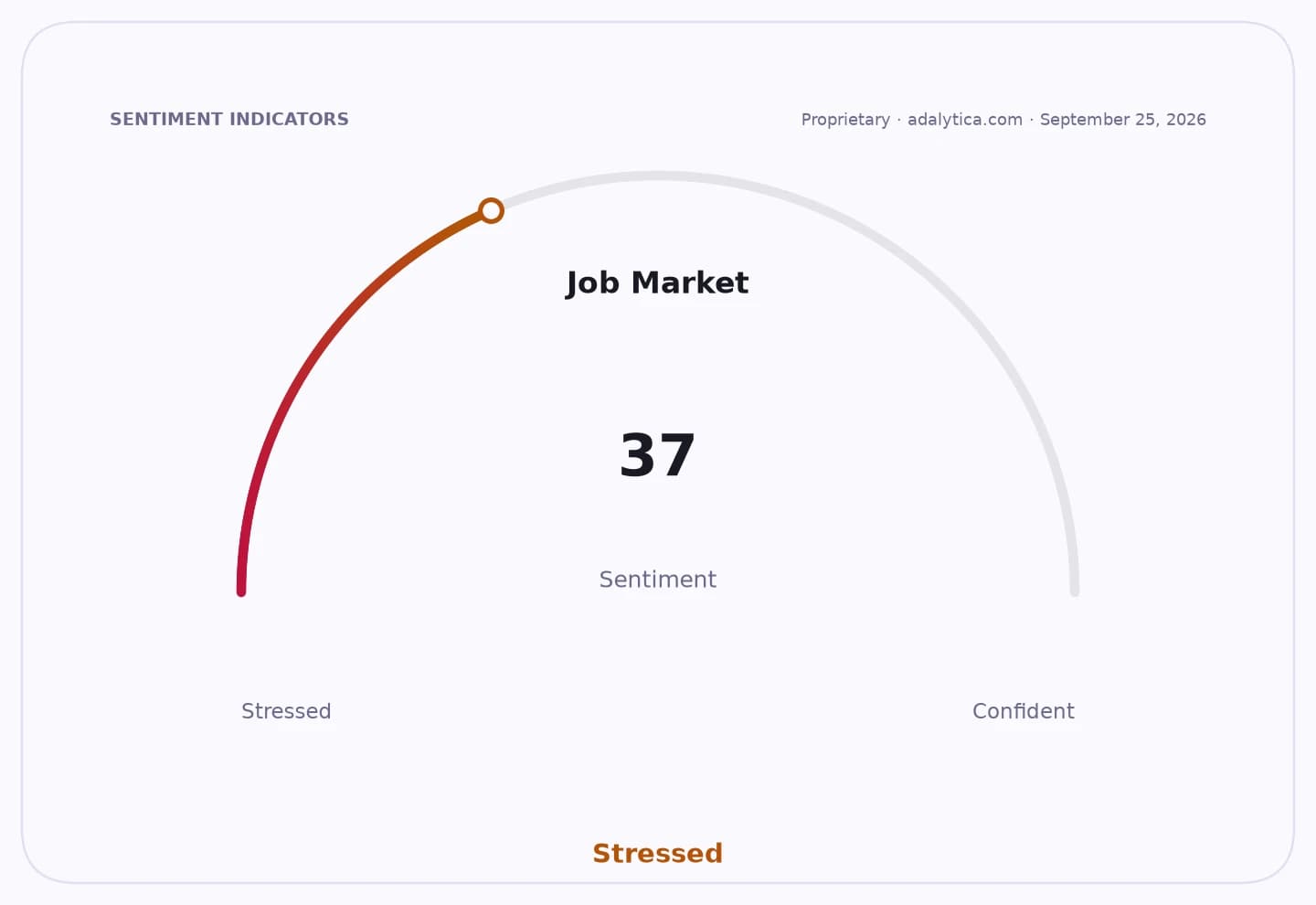
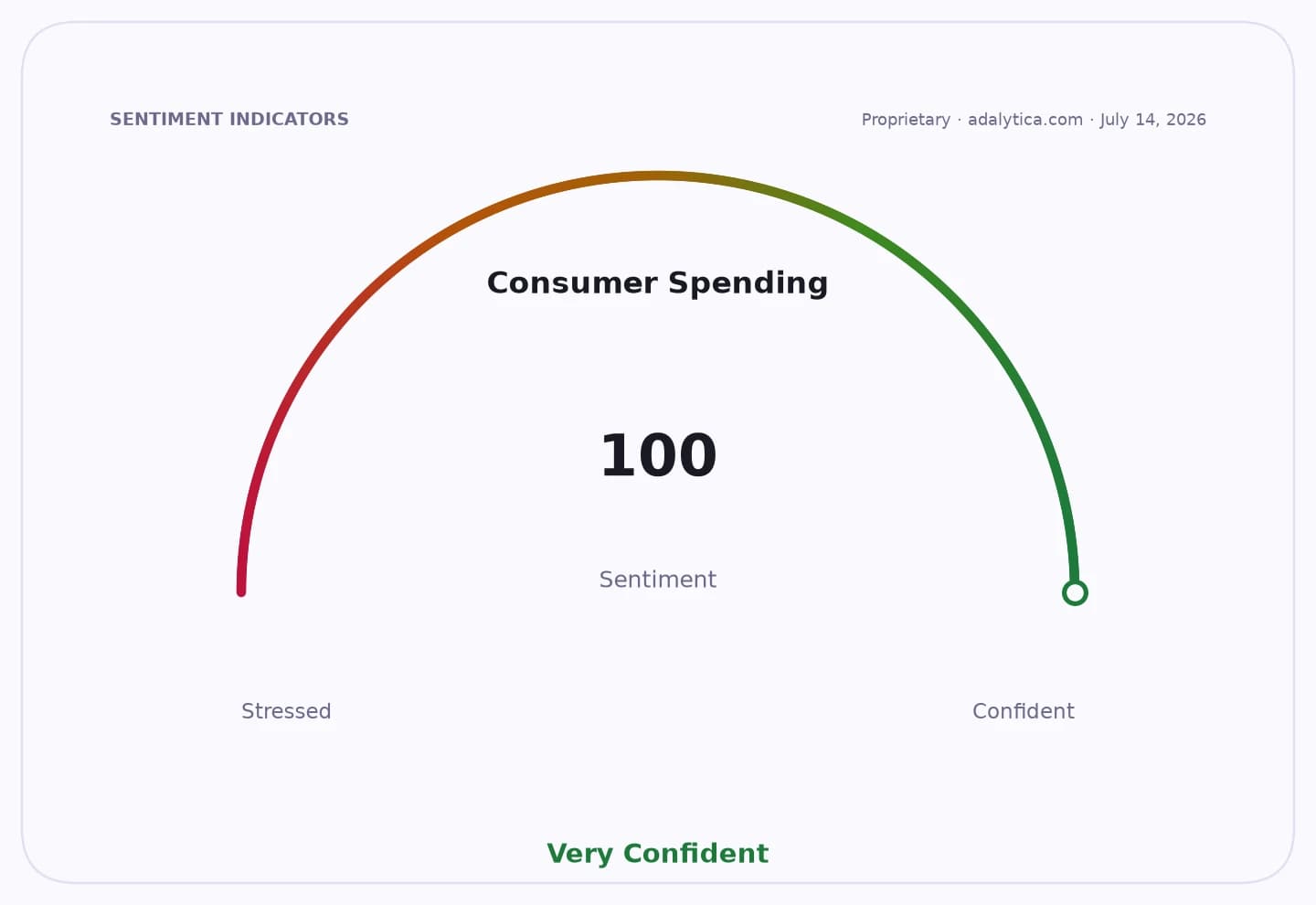
Sentiment IndicatorsⓘProprietary · adalytica.com · July 14, 2026
This is a snapshot — live sentiment, awareness and momentum for 130+ markets update continuously in the dashboard.Open AlphaPulse
It also arrives against a more cautious global lending backdrop. In South Korea, KB Kookmin Bank has sharply cut household loan limits as lenders move to contain debt growth, underscoring how regulators and banks are increasingly wary of unsecured or mortgage-heavy consumer credit. Against that backdrop, a ₱40 billion lending pool aimed at solar adoption stands out as policy-directed credit rather than broad consumer leverage. That distinction matters: the loans are tied to an asset that can generate savings, rather than pure consumption.
For investors, the significance is most visible in the residential solar value chain. Enphase Energy and SolarEdge Technologies have both seen sharp swings in their share prices this year, reflecting how sensitive solar equities remain to financing conditions, demand visibility and policy support. Enphase closed at $43.06 on July 13, down from a recent peak above $70 in early June, while SolarEdge ended at $52.13 after trading as high as $78.51 in June. Those moves show the market still treats residential solar demand as heavily dependent on financing availability. A large local lending program would not move U.S. solar stocks on its own, but it reinforces the broader thesis that easier consumer credit can be a catalyst for rooftop solar sales.
That thesis is supported by company disclosures. Enphase has said newer loan products have helped shift some buyers away from third-party ownership structures, while also warning that changes in incentives or financing access could hurt external funding and growth. Solar firms are essentially selling a high-upfront-capex product into a market where monthly payment economics matter more than sticker price. A credit program aimed at households can therefore be as important as a subsidy if it improves affordability and speeds payback.
There is also a macro angle. U.S. benchmark 10-year Treasury yields are around 4.58%, while WTI crude has hovered near $69 a barrel after a volatile year. Those levels keep capital costs meaningful and fossil-fuel power prices uncertain, which strengthens the appeal of financing models that turn solar from a capital purchase into an instalment product. In that sense, SSS’s planned allocation is a hedge against both energy-price volatility and household pressure from higher borrowing costs.
The bull case is that the program stimulates demand, supports installers, and helps households lock in lower long-term power costs. The bear case is familiar: if underwriting is weak, defaults rise; if solar system economics are not compelling, take-up may disappoint; and if funding is delayed or capped, the headline amount may overstate near-term impact. Execution will determine whether the ₱40 billion is a genuine market maker or just a policy signal.
For investors, the next question is whether other lenders or state institutions follow SSS’s lead and whether the loans are designed to pair with utility billing, dealer networks or rebate programs. If they are, the measure could become a template for how emerging markets finance residential decarbonisation without relying solely on subsidies.
| Entity | Gains | Losses |
|---|---|---|
| SSS / state lenders | ▲Policy relevance | ▼Balance-sheet risk |
| Households with high power bills | ▲Lower electricity costs | ▼More debt |
| Solar installers / financiers | ▲Higher demand | ▼Slower rollout if credit tightens |
| Fossil-fuel generators | ▲None | ▼Demand share over time |