Melbourne Storm’s reported negotiations over a sale at about $160 million matter because they could reset how investors value elite rugby league franchises in Australia, where stable fan bases, media exposure and scarce top-tier clubs can command premium prices even in a structurally modest commercial market.
Storm Sale Could Reset NRL Club Valuations
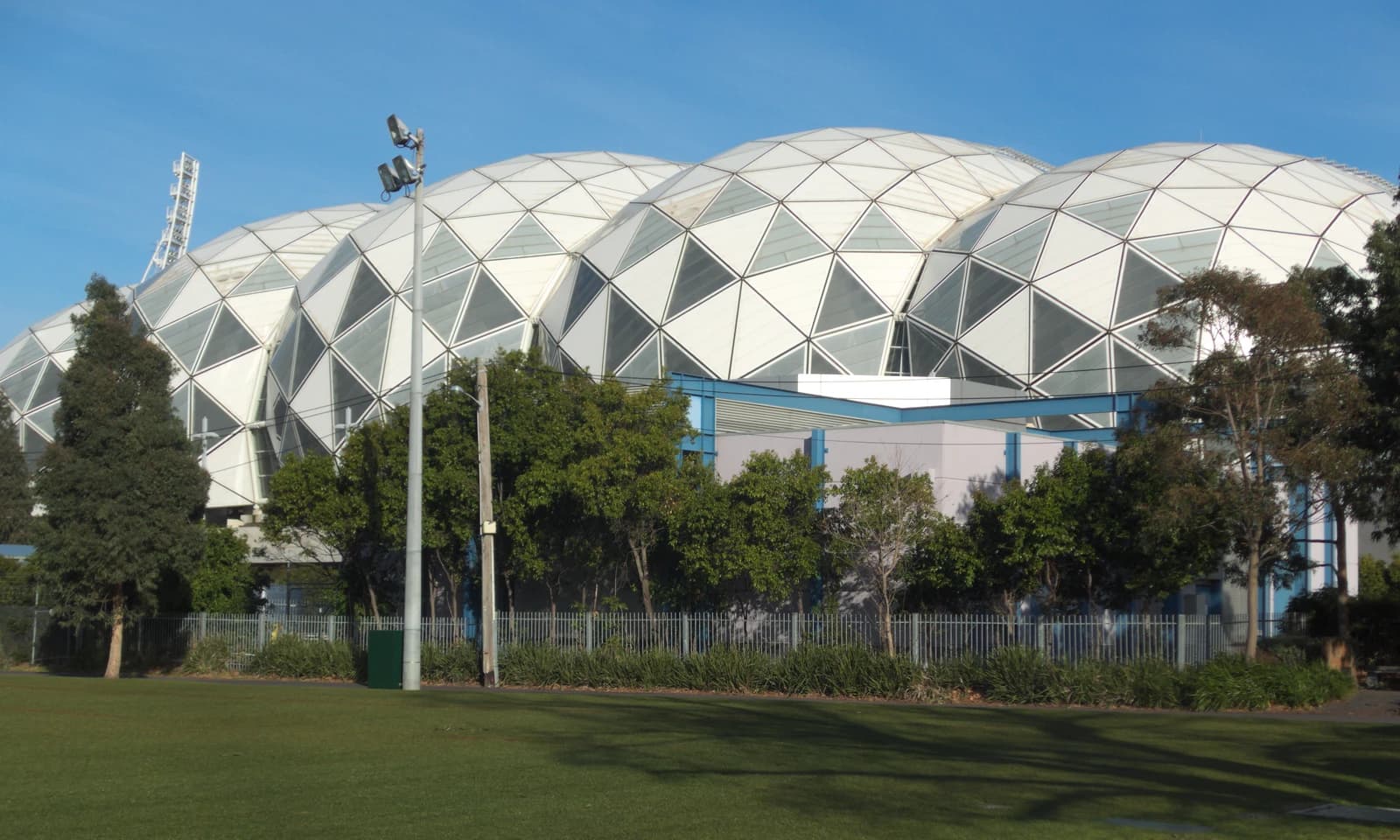
The Storm are one of the National Rugby League’s most successful and marketable teams, and a transaction at that level would underscore how far sports ownership has shifted from a pure passion asset to a tradable media and brand business. For existing owners, the valuation would offer a benchmark for a league where club economics depend heavily on broadcast deals, sponsorship and disciplined cost control rather than the kind of gate and commercial revenues seen in larger North American competitions.
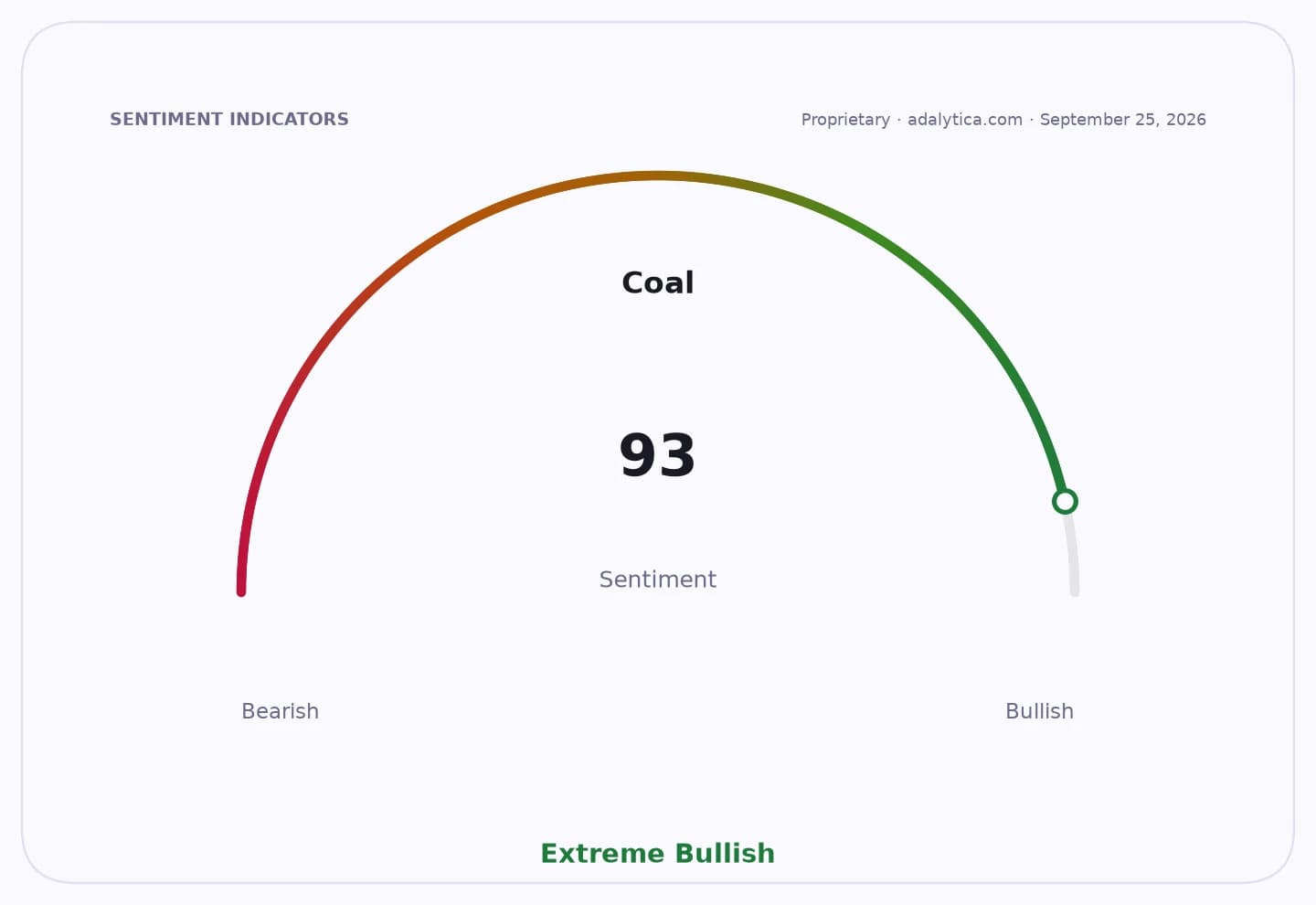
Sentiment IndicatorsⓘProprietary · adalytica.com · July 14, 2026
This is a snapshot — live sentiment, awareness and momentum for 130+ markets update continuously in the dashboard.Open AlphaPulse
For investors and dealmakers, the main significance is that a $160 million price tag would signal buyer confidence in the durability of rugby league’s cash flows despite a fragmented sporting landscape and a tougher funding backdrop. It would also reinforce the scarcity premium attached to elite clubs with established supporter bases, strong on-field performance and national brand recognition. The Storm have been one of the NRL’s benchmark operators for more than two decades, which makes them a natural asset for strategic buyers seeking long-duration media relevance.
There are, however, limits to the bull case. Club valuations in Australian sport remain constrained by the size of domestic broadcasting markets and the absence of the deep ancillary revenues that support valuations in bigger leagues. A sale price near $160 million would therefore have to be justified not just by current profitability, but by expectations for future media rights, sponsorship uplift and possible capital gains from continued professionalisation of the league.
That is why the talks matter beyond Melbourne. A completed deal could influence how other NRL clubs, private investors and sports funds approach the sector, potentially encouraging more consolidation and pushing owners to treat clubs as scalable assets rather than trophy holdings. If the price falls short of expectations, it may instead expose how dependent Australian club valuations remain on a few bidders and a still-limited revenue base.
For now, the negotiations are a reminder that in a market like the NRL, scarcity and brand equity can matter as much as balance-sheet metrics. The eventual price will be read not only as a verdict on Melbourne Storm, but as a signal for the next phase of Australian sports ownership.
| Entity | Gains | Losses |
|---|---|---|
| Melbourne Storm sellers | ▲Monetise at premium valuation | ▼Lose future upside |
| NRL and rival clubs | ▲Higher valuation benchmark | ▼Tougher buyer expectations |
| Strategic buyers | ▲Access to premium sports asset | ▼Paying scarcity premium |
| Fans and sponsors | ▲Stability under fresh ownership | ▼Risk of transition uncertainty |