Student Loan Reset Hits SoFi and Navient
The biggest financial impact from Washington’s latest student-loan reset is not the headline relief itself, but the way it reorders demand, credit risk and earnings across the lenders exposed to higher-education finance.
A newly expanded repayment framework that includes a $10,000 credit for affected borrowers arrives alongside tighter rules on Parent PLUS lending, one of the most politically sensitive corners of the federal student-loan market. For households that borrowed during the recession and are still carrying balances into middle age, the policy underscores a broader shift: Washington is moving from broad deferral and forgiveness promises toward targeted, account-based relief and stricter underwriting.
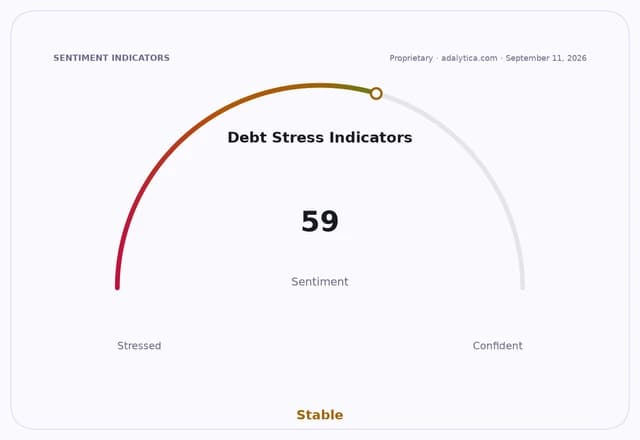
That matters economically because student debt is not just a household burden; it is a drag on consumption, homebuying and retirement savings. Borrowers who stay in repayment longer tend to delay major purchases and remain more exposed to rate resets and income shocks. Any policy that lowers monthly obligations, even via credit rather than cash, can ease defaults at the margin and support spending power. But it also leaves the underlying loan stock in place, which means the relief is partial, not transformative.
The market implications are clearest for lenders tied to the education-finance ecosystem. SoFi Technologies said in its latest filing that federal changes including the elimination of Grad PLUS loans and lower borrowing limits on Parent PLUS could alter demand for its student-loan products. Navient, which still manages a large federally guaranteed loan book, is also exposed to the policy mix, though its earnings sensitivity is more muted than in the pre-pandemic era. Investors have already seen how quickly sentiment can swing: Navient shares have fallen below their 200-day moving average, while SoFi’s stock has been volatile, dropping sharply from highs above $30 before recovering some ground.
The broader backdrop is a labor market that remains solid but not risk-free. The unemployment rate is forecast at 4.02% for September, close to recent levels around 4.1%, while GDP growth is still projected in positive territory. That combination argues against a systemic credit event, but it also suggests the economy is no longer strong enough to absorb every policy shift without friction. If borrowers are squeezed by tighter student-loan terms while wages cool, delinquencies could rise in the segments most dependent on federal support.
For investors, the key question is whether these changes compress originations faster than they reduce credit losses. Bullish investors may argue that tighter federal rules create a cleaner market for private lenders and digital finance platforms willing to underwrite higher-quality borrowers. The bearish case is that reduced federal borrowing capacity shrinks the overall student-loan pie and pushes more households into a prolonged period of financial constraint.
That tension is likely to keep student-debt policy on the radar for banks, specialty lenders and consumer lenders alike. The next catalysts will be borrower uptake, any further rule changes and whether the relief package measurably reduces stress in household credit without materially expanding lending volumes.
| Entity | Gains | Losses |
|---|---|---|
| Borrowers with Parent PLUS debt | ▲Lower repayment burden | ▼Loan balances remain outstanding |
| Federal policymakers | ▲Visible relief optics | ▼Higher fiscal and administrative costs |
| SoFi and private student lenders | ▲Potential share gains from tighter federal lending | ▼Smaller federal loan market |
| Navient and education-loan servicers | ▲Continued servicing demand | ▼Policy pressure on legacy loan books |