Supreme Court mail-in voting ruling raises volatility
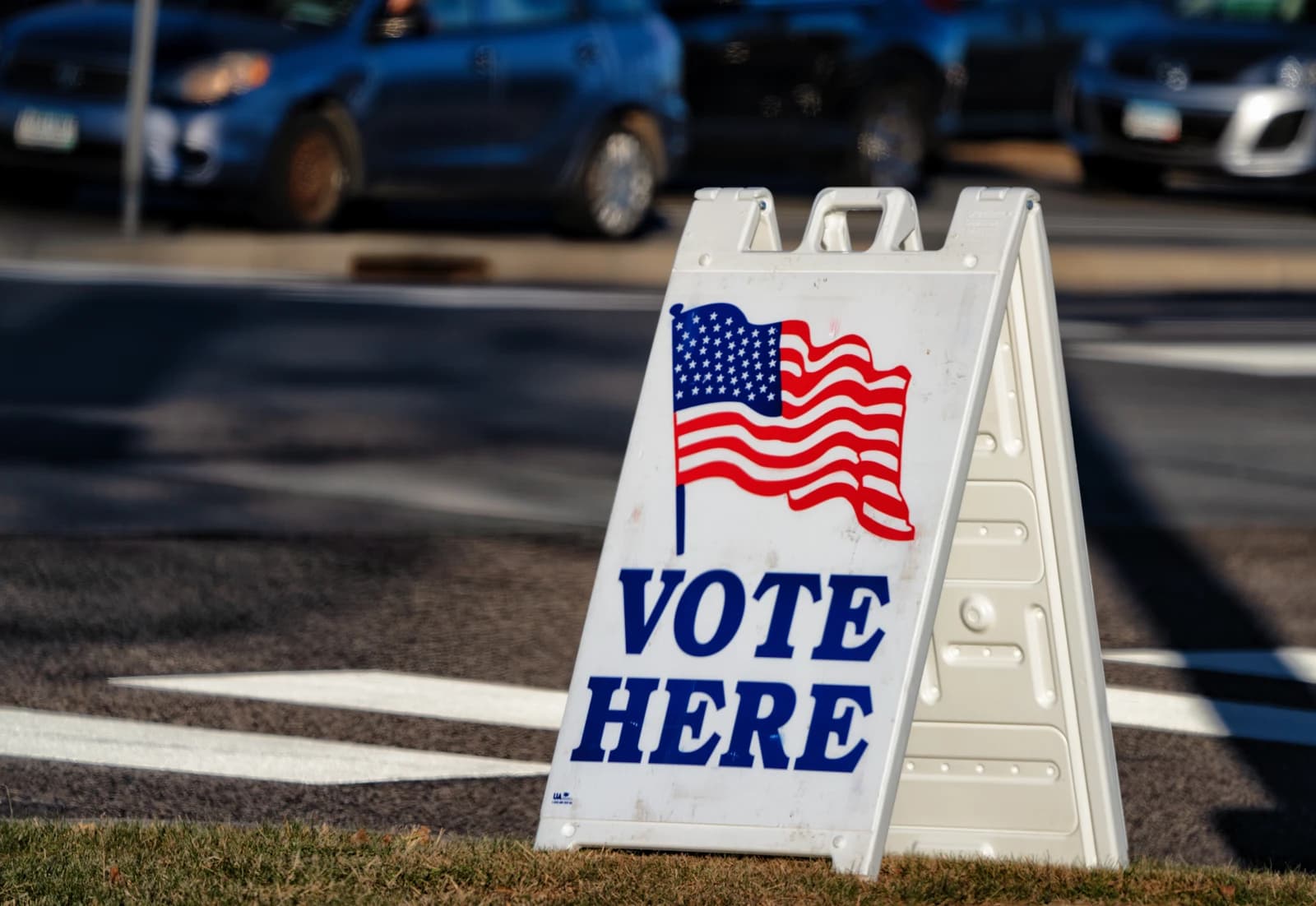
The U.S. Supreme Court’s decision to let Donald Trump temporarily move ahead with parts of his mail-in voting restrictions raises the odds of a messy run-up to the November 3 election, an outcome that matters far beyond election-law debate because it can amplify uncertainty, delay vote counting and keep political risk elevated in markets.
For investors, the immediate issue is not whether the court has blessed Trump’s order — it has not — but that the legal fight now shifts back to states already warning of confusion, administrative strain and potential chaos. That means another layer of volatility for a market that is already trading through heightened political noise, fragile consumer confidence and a backdrop of unusually jumpy gridlock sentiment. Adalytica’s U.S. Congressional Gridlock Sentiment sits at 46, neutral but with awareness still at “Extreme Fear,” underscoring how quickly Washington risk can spill into risk assets.
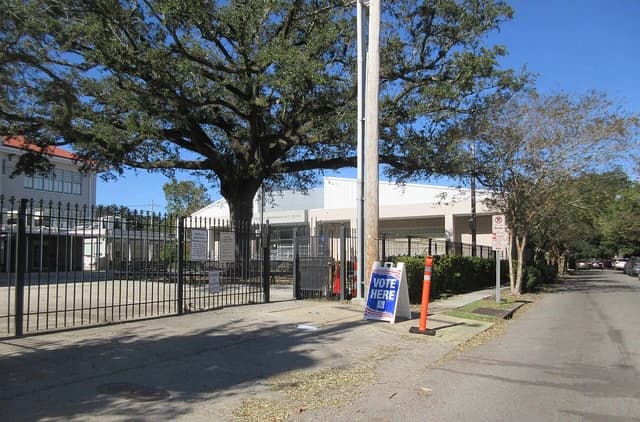
The economic significance is straightforward: election uncertainty can freeze decision-making. Businesses delay capital spending, lenders get more cautious, and consumers become more defensive when rules around voting, mail delivery and ballot certification are in dispute. That is particularly relevant when the University of Michigan consumer sentiment index has already been flashing stress, with its latest reading at 49.5 after a forecast drop to 43.99 in July. In other words, confidence is weak enough without adding a legitimacy fight around the vote itself.
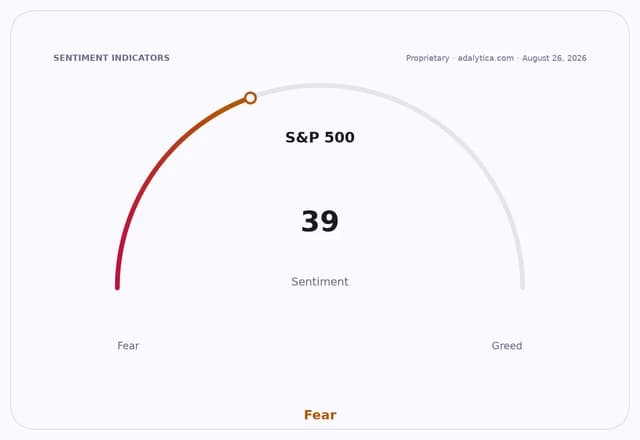
The broader market backdrop reinforces why this matters. Adalytica’s S&P 500 trade signals remain only neutral, suggesting investors are not yet pricing a major dislocation, while global stability sentiment has been running hot. That combination is a classic setup for an underappreciated volatility catalyst: the market may look calm on the surface, but it is sitting on top of a highly sensitive political fault line.
Financials are among the clearest early watches. Regional banks such as BancFirst, which had been trading above both its 50-day and 200-day moving averages before a recent pullback, tend to dislike periods when policy uncertainty threatens deposit behavior, municipal funding decisions and loan demand. A contentious election season can also favor cash, Treasuries and defensive sectors over cyclicals and smaller-cap lenders tied more directly to local economic confidence.
The narrative here is not just about ballots. It is about a country heading into an election with weakened consumer morale, persistent institutional mistrust and a Supreme Court ruling that keeps one of the most contentious voting issues alive. That is a recipe for headline risk, but also for opportunity: the market often underprices how much political disorder can distort sentiment before it shows up in earnings or prices.
Investors should be positioned for more than a binary court outcome. The real trade is around rising volatility, safer balance sheets, defensive cash flows and companies less exposed to a prolonged post-election dispute. If this fight intensifies, the winners are likely to be the usual havens — quality large caps, utilities, Treasuries and volatility hedges — while small-cap financials, consumer cyclicals and other confidence-sensitive names may struggle.
| Entity | Gains | Losses |
|---|---|---|
| Cash/Treasuries | ▲Safe-haven demand | ▼Return-seeking capital |
| Defensive large caps | ▲Relative inflows | ▼Cyclical risk appetite |
| Election litigants | ▲Political leverage | ▼Institutional trust |
| Small-cap financials | ▲— | ▼Confidence and growth visibility |