Supreme Court Blocks Trump Mail Voting Rules
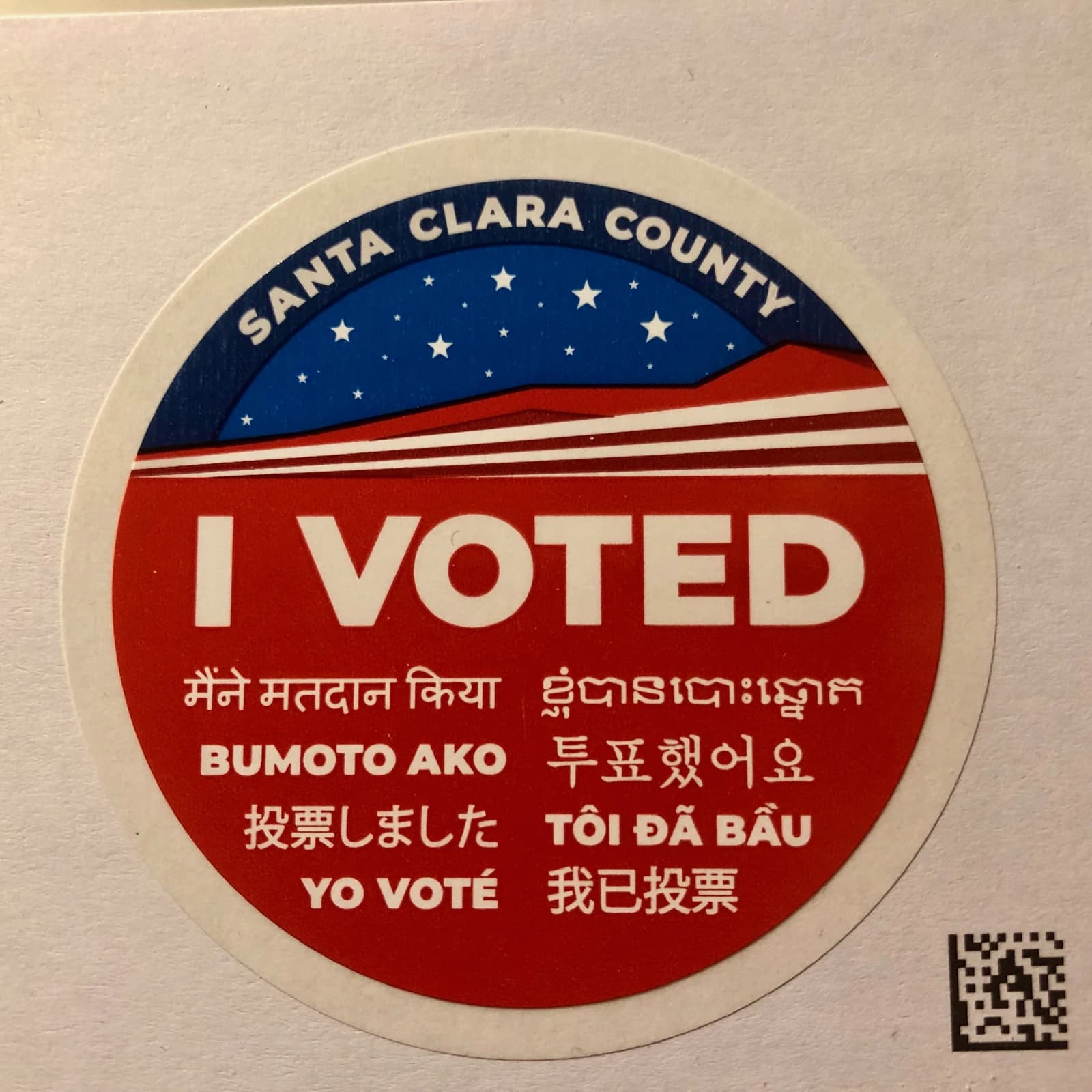
The U.S. Supreme Court has blocked Donald Trump’s attempt to tighten mail voting rules, preserving the status quo for a system that will already be in use in several states ahead of November’s midterm elections.
The ruling matters because mail ballots are a major channel for U.S. turnout, especially in states such as Oregon, Washington and Hawaii, where voting by post is central to election administration. By leaving lower-court stays in place, the justices removed the risk of a last-minute federal overhaul that election officials said could have been difficult to implement before ballots were mailed.
Trump’s March 31 executive order would have required federal agencies to help assemble state voter lists and pushed the Postal Service to deliver ballots only to voters whose names appeared on state-provided rolls. It also would have required states to supply names and addresses and use special barcodes on ballot envelopes, a change that the Supreme Court said could not be imposed fairly this cycle because state and local officials lacked time to comply.
For investors, the ruling does not move a direct earnings line, but it reduces one source of U.S. political uncertainty during a volatile election period. The decision supports continuity at the USPS and avoids a fresh legal and operational fight that could have spilled into public-sector logistics, election vendors and broader market sentiment around congressional gridlock.
The case also lands as Congressional Gridlock sentiment tracked by Adalytica sits in “Extreme Fear,” while broader market risk gauges remain subdued, underscoring how sensitive investors are to policy shocks even when they do not immediately affect corporate fundamentals. Mail voting is already underway in states including Alabama, North Carolina and Wisconsin, with more to follow as ballot deadlines approach.
The immediate focus now shifts to election administration through November and to the next phase of litigation over voting rules, with any renewed federal attempt likely to face the same timing and legal hurdles.
| Entity | Gains | Losses |
|---|---|---|
| State election officials | ▲Keep existing mail-voting rules | ▼Avoid last-minute retooling |
| USPS | ▲Retains current ballot-delivery process | ▼Avoids new compliance burden |
| Trump administration | ▲None | ▼Loses bid to restrict mail voting |
| Voters in mail-heavy states | ▲Preserve ballot access | ▼Face no new federal hurdles |