Sweden Election Could Put Sweden Democrats in Government
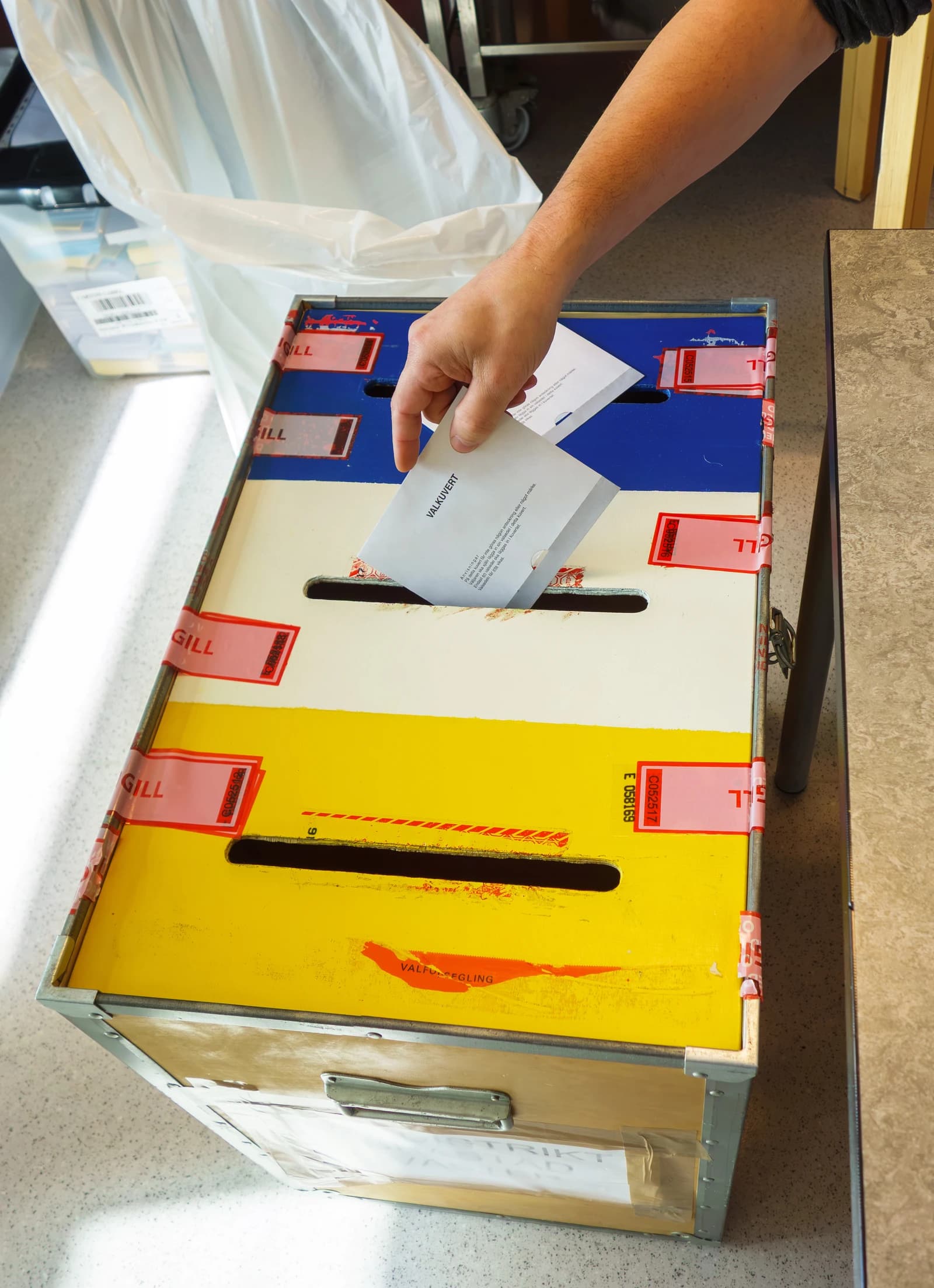
Sweden’s election has turned into a close race that could put the anti-immigration Sweden Democrats inside government for the first time, a shift that would harden policy on migrants and redraw the political center in one of Europe’s most liberal economies.
With the far-right party polling around 19% and the center-left opposition holding only a narrow lead, the vote has become a referendum on whether Sweden’s minority center-right government can secure a second term by bringing the Sweden Democrats into cabinet. Prime Minister Ulf Kristersson has said he is prepared to offer the party ministerial posts, formalizing a partnership that has already shaped policy from outside government since 2022.
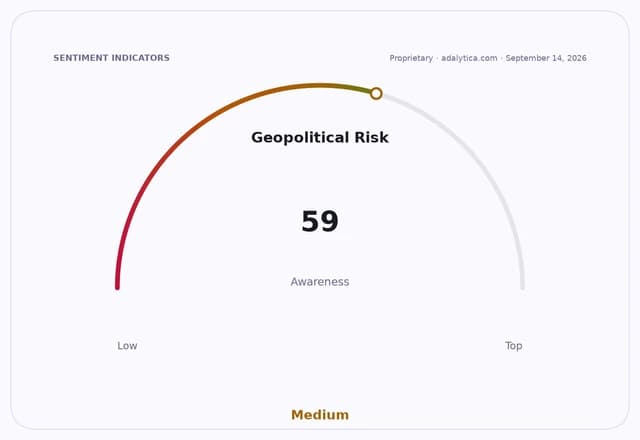
That matters economically because Sweden has already used the rightward shift to tighten welfare rules, strip refugees of permanent residence rights and increase deportations, helping push asylum applications to a 40-year low. Kristersson argues the approach has supported growth, eased energy and food prices and curbed gang crime, making the election about whether voters want more of the same or a sharper break with the country’s postwar consensus on immigration and identity.
For investors, the immediate issue is policy predictability in a trade-exposed Nordic economy. A stronger role for the Sweden Democrats would likely mean tougher migration and integration rules, more pressure on social spending and a more nationalist tone in domestic politics, even as both blocs say they support welfare spending, backing for Ukraine and rearmament.
The broader market read is that Sweden is joining a wider European realignment in which far-right parties have moved from protest status to coalition partners. The Sweden Democrats, who apologized in 2025 for their neo-Nazi and antisemitic past, now present themselves as a normal governing force, while critics warn their push to end multiculturalism and deport unemployed foreigners could deepen social divisions and pull the country further right.
Exit polls gave the center-left a slight edge, but with the result still fluid, the bigger investment question is whether Sweden ends up with a stable majority or another fragile minority deal. Either outcome will shape taxes, welfare, defense spending and migration policy for years.
| Entity | Gains | Losses |
|---|---|---|
| Sweden Democrats | ▲Cabinet influence | ▼Pariah status |
| Center-right bloc | ▲Path to majority | ▼Policy moderation |
| Center-left opposition | ▲Chance to block far right | ▼Control of government |
| Migrants / asylum seekers | ▲None | ▼Stricter rules, more deportations |