Sweden Retail Spending Rebounds as Households Ease Saving
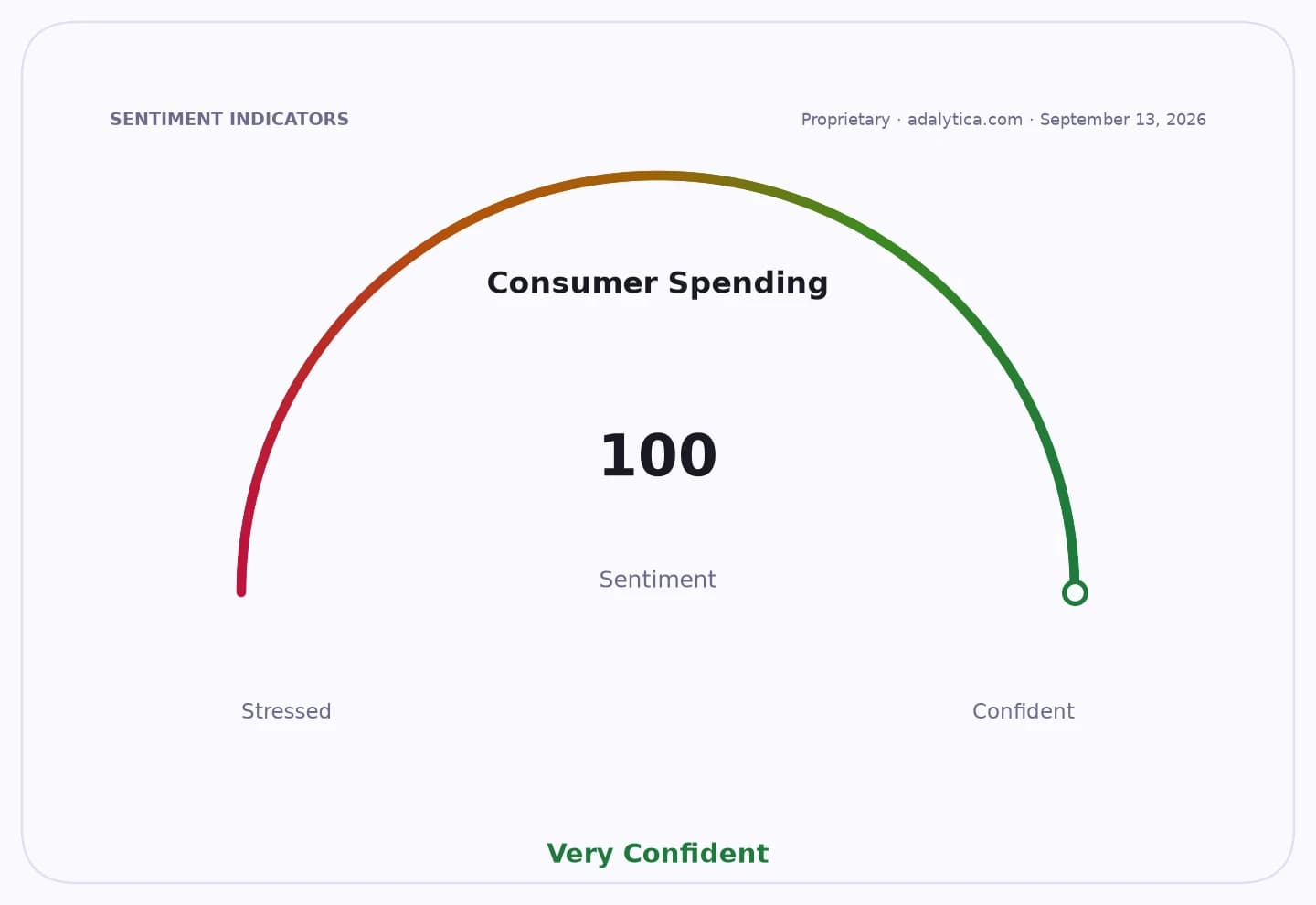
Swedish households are finally loosening their grip on spending, and that matters because consumer demand is the cleanest test of whether the economy’s recovery is becoming self-sustaining.
A new report from HUI, Sweden’s retail research institute, says purchasing power remains strong and that households are beginning to buy again after years of delaying bigger-ticket purchases. The rebound is showing up not just in groceries but in discretionary retail, where shoppers are returning to furniture, appliances and home furnishings. For an economy that has spent much of the past few years digesting inflation and higher rates, that is a meaningful shift: it suggests lower caution in household behavior, not just a statistical bounce.

The timing is important. Sweden’s labor market has been stable enough to support real incomes, and HUI says rising real wages and a reduction in precautionary saving are helping offset weak confidence. That combination can be powerful. When families feel less pressure to save every extra krona, retailers get volume, suppliers get orders and the broader economy gets a better chance of growing without relying so heavily on exports or government spending.
For investors, the message is straightforward: the consumer is turning from a drag into a tailwind. That is good news for Nordic retail chains, household-goods makers and shopping-center operators, but it also matters for global consumer names with exposure to Sweden and the wider Scandinavian market. U.S. discretionary stocks such as the Consumer Discretionary Select Sector SPDR Fund, or XLY, tend to benefit when buyers shift from essentials to wants, though the latest price action in the fund shows investors are still wrestling with the pace of the recovery.

Amazon and Target, meanwhile, remain useful bellwethers for the spending cycle. Amazon’s recent trading has been choppy but resilient, while Target has given back some of its summer surge. That fits a market that is starting to price a better consumer backdrop, but not yet with full conviction. In other words, the opportunity may be more about years of compounding than a quick snapback.
There is one clear risk: rates. HUI cautions that a rate hike later this fall could test the consumer rebound. That would hit mortgage holders, raise debt-service costs and potentially slow the very recovery that higher real wages are trying to support. If borrowing costs rise faster than household confidence, the spending revival could stall before it fully reaches durable goods and bigger discretionary categories.
Still, the broader narrative is constructive. Swedish households are moving from defense to offense, and that usually marks the early stage of a healthier expansion. For long-term investors, the key takeaway is not to chase every monthly data point, but to watch whether the shift in behavior lasts into year-end. If it does, retail and consumer-linked stocks deserve a spot on the watchlist.
| Entity | Gains | Losses |
|---|---|---|
| Swedish retailers | ▲Higher sales volumes | ▼Weak recovery if rates rise |
| Swedish households | ▲More spending freedom | ▼Higher interest costs |
| Consumer discretionary stocks | ▲Better demand outlook | ▼Patience if rebound is uneven |
| Central bank / rate setters | ▲Less inflation panic | ▼Risk of slowing consumption |