Switzerland Fades as Corporate Hub, McKinsey Warns
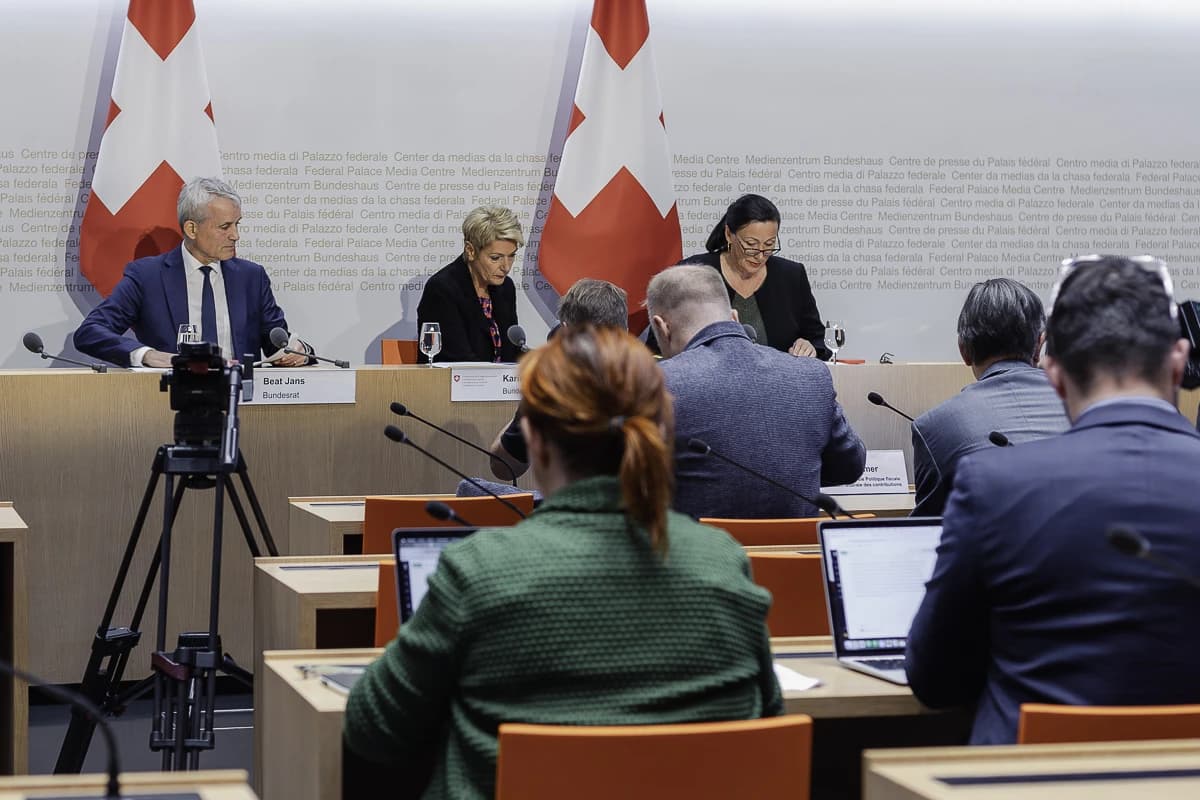
Switzerland’s long-standing appeal as a safe, low-friction hub for multinationals is weakening, a shift that matters because it could slowly erode one of Europe’s most successful corporate tax and investment models.
A new study by McKinsey and the Swiss-American Chamber of Commerce argues that the country’s traditional strengths — neutrality, fiscal stability and a predictable business environment — are no longer enough on their own. The warning is not that Switzerland is losing its edge overnight, but that the country is being forced to compete in a harsher global market where rivals such as the US, Singapore, the UAE, Britain and Ireland are increasingly in the frame.
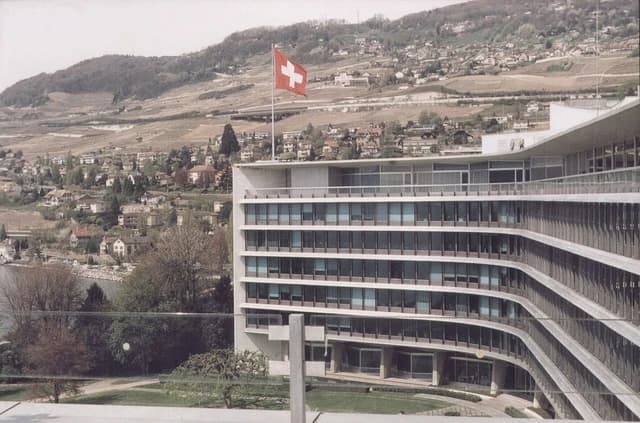
That matters economically because multinational groups remain central to the Swiss economy. Up to 1.8 million people work for foreign companies in Switzerland, those firms account for more than 40% of output and pay more than half of federal corporate income taxes. If the country becomes less attractive for headquarters, finance hubs and research-heavy operations, the consequences would spread beyond office leasing and executive relocation. It would hit tax receipts, employment, supplier networks and the high-value industries that have long underpinned Swiss growth.
The McKinsey study suggests the pressure is becoming visible in the data. The share of new group headquarters choosing Switzerland fell to 19% from 27%, while new finance hubs declined by a similar margin. Overall new relocations dropped to 142 in 2020-2025 from 179 in 2014-2019. The pharmaceutical sector, a pillar of Switzerland’s industrial base and a major magnet for global investment, saw its share of relocations slide to about 33% from 50%, with Britain and Ireland taking some of the business.
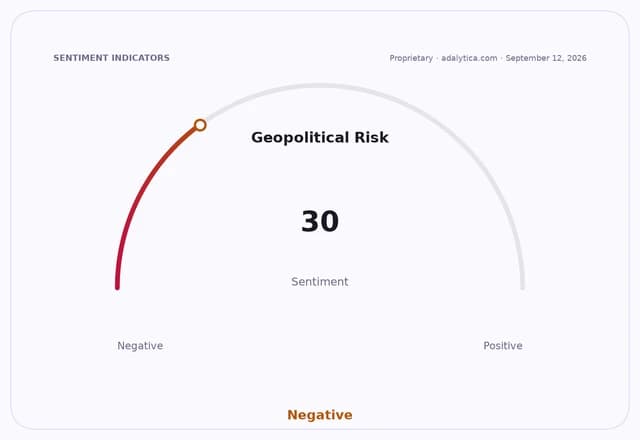
For investors, that is a warning sign for both corporate earnings and country risk. Switzerland’s listed multinationals rely on the ecosystem around them: talent pools, regulatory certainty, energy reliability and a favorable tax regime. As those advantages become less decisive, the cost of maintaining operations may rise and the incentive to expand elsewhere may strengthen. EWL, the iShares MSCI Switzerland ETF, has already shown notable volatility, while the franc remains firm enough to keep pressure on exporters. A stronger currency traditionally signals confidence, but it also compresses margins for companies earning abroad and reporting back into francs.
The study points to three drag factors: regulation, taxes and energy. Seventy percent of surveyed executives said regulatory burdens were rising, and Economiesuisse has estimated bureaucracy costs at about $80 billion a year. That is not just a compliance issue; it is a competitiveness issue. More audits, more reporting and higher environmental and administrative costs all raise the fixed cost of doing business in a small open economy that depends on scale efficiency and cross-border trade.
Energy is becoming a more strategic weakness. Switzerland’s long-valuable mix of hydropower and nuclear power is aging, with nuclear plants older and hydropower capacity no longer expanding materially. In an era of volatile gas prices, supply insecurity and rising demand from data centers and industrial electrification, dependable electricity is no longer just a utility issue. It is a location decision. For energy-intensive sectors and research-driven businesses, power availability and price can determine where future investment goes.
Geopolitics is adding another layer of pressure. EY found that 48% of Swiss companies have changed risk management over the past two years, and 41% have cut the number of investment markets they cover. More than half say geopolitical disruptions are already hurting revenue and sales. That shows how even a neutral country is now exposed to trade barriers, conflict risk and supply-chain fragmentation. For a small export economy integrated into global value chains, sanctions, shipping routes, tariffs and regional conflict are no longer distant shocks; they are operating conditions.
The broader implication is that Switzerland is moving from a position of presumed advantage to one of active defense. CEOs are no longer comparing the country only with nearby European locations, but with global hubs that are competing on tax, regulation, energy and strategic alignment. That does not mean Switzerland is losing its premium status entirely. But it does mean the old model — neutrality plus stability plus low friction — is less automatic than it was. For policymakers, the challenge is to protect the qualities investors still value without adding costs that make the country look expensive against faster-moving rivals. For investors, the key question is whether Swiss corporates can preserve margins and capital intensity as the location premium narrows.
| Entity | Gains | Losses |
|---|---|---|
| Swiss rivals in the EU | ▲More relocation prospects | ▼Fewer headquarters moves to Switzerland |
| US, Singapore, UAE hubs | ▲More share in global HQ competition | ▼Switzerland’s location premium |
| Swiss government | ▲Pressure to reform regulation and energy policy | ▼Tax and investment appeal if inertia persists |
| Swiss multinationals | ▲Still benefit from stability | ▼Higher compliance, energy and tax costs |