Switzerland inflation rises as energy costs climb

Swiss inflation has picked up to its highest level since early 2024, with higher energy costs doing most of the damage and pulling the country back into a broader European inflation story that investors had hoped was fading.
The move matters because Switzerland is one of Europe’s most stable price environments, so even a modest acceleration can shift expectations for the Swiss National Bank and for yields, the franc and rate-sensitive equities. Rising energy prices are also feeding into inflation across the eurozone, reinforcing the view that central banks cannot fully declare victory over price pressures.
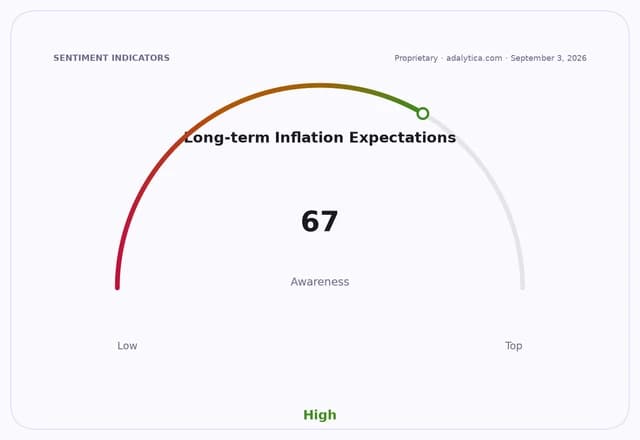
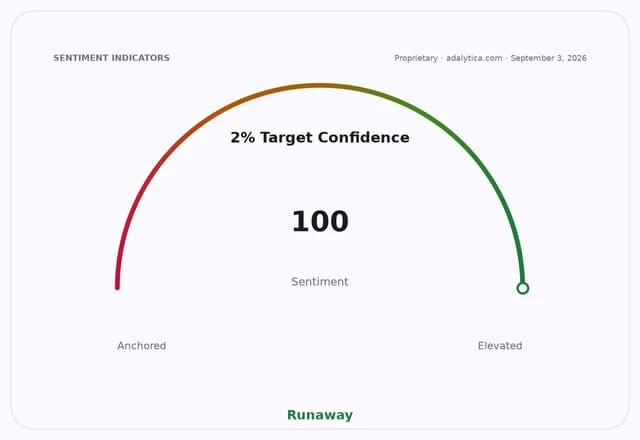
Brent-linked crude has firmed again in recent sessions, with West Texas Intermediate trading around $91.7 a barrel in the latest forecast after a run-up from $84.6 on Aug. 28 to $91.5 on Sept. 1. That rebound is feeding directly into transport, heating and industrial input costs at a time when inflation expectations are already sensitive. Adalytica’s long-term inflation expectations snapshot jumped to a neutral 56 from 37 a day earlier, while confidence in the Fed’s 2% target remained at an extreme reading of 100, underscoring how quickly markets can reprice the inflation narrative when energy turns higher.
For Switzerland, the immediate implication is less about runaway inflation than about the policy floor. If energy keeps pushing headline consumer prices higher, the SNB has less room to ease aggressively and more reason to keep policy restrictive longer than markets may have assumed. That also supports the franc as a defensive currency, even if it risks further pressure on exporters and companies with heavy domestic cost exposure.
The market read-through is already visible in energy shares. Shell traded at 93.02 on Sept. 3, near the upper end of its recent range, while Exxon Mobil held around 164.48, reflecting how integrated producers benefit when crude prices rebound and inflation concerns lift. The flip side is clear for consumers, importers and sectors that depend on lower fuel and logistics costs. Higher oil can also complicate the equity case for European rate-sensitive names if central banks respond by staying cautious.
The broader narrative is that inflation in Europe is not yet dead; it is becoming more episodic and energy-driven. That keeps attention on next month’s policy signals, upcoming inflation prints and whether crude’s latest bounce is temporary or the start of a more persistent cost shock. For investors, the key question is whether central banks can look through another energy spike — or whether it forces rates and inflation expectations higher for longer.
| Entity | Gains | Losses |
|---|---|---|
| Energy producers | ▲Higher margins | ▼Fuel-cost volatility |
| Swiss National Bank | ▲Policy flexibility from credibility | ▼Less room to ease |
| Consumers/importers | ▲— | ▼Higher heating and transport costs |
| Shell, Exxon Mobil | ▲Stronger cash flow | ▼Risk of demand slowdown |