Switzerland Mortgage Rates Rise Above 2%
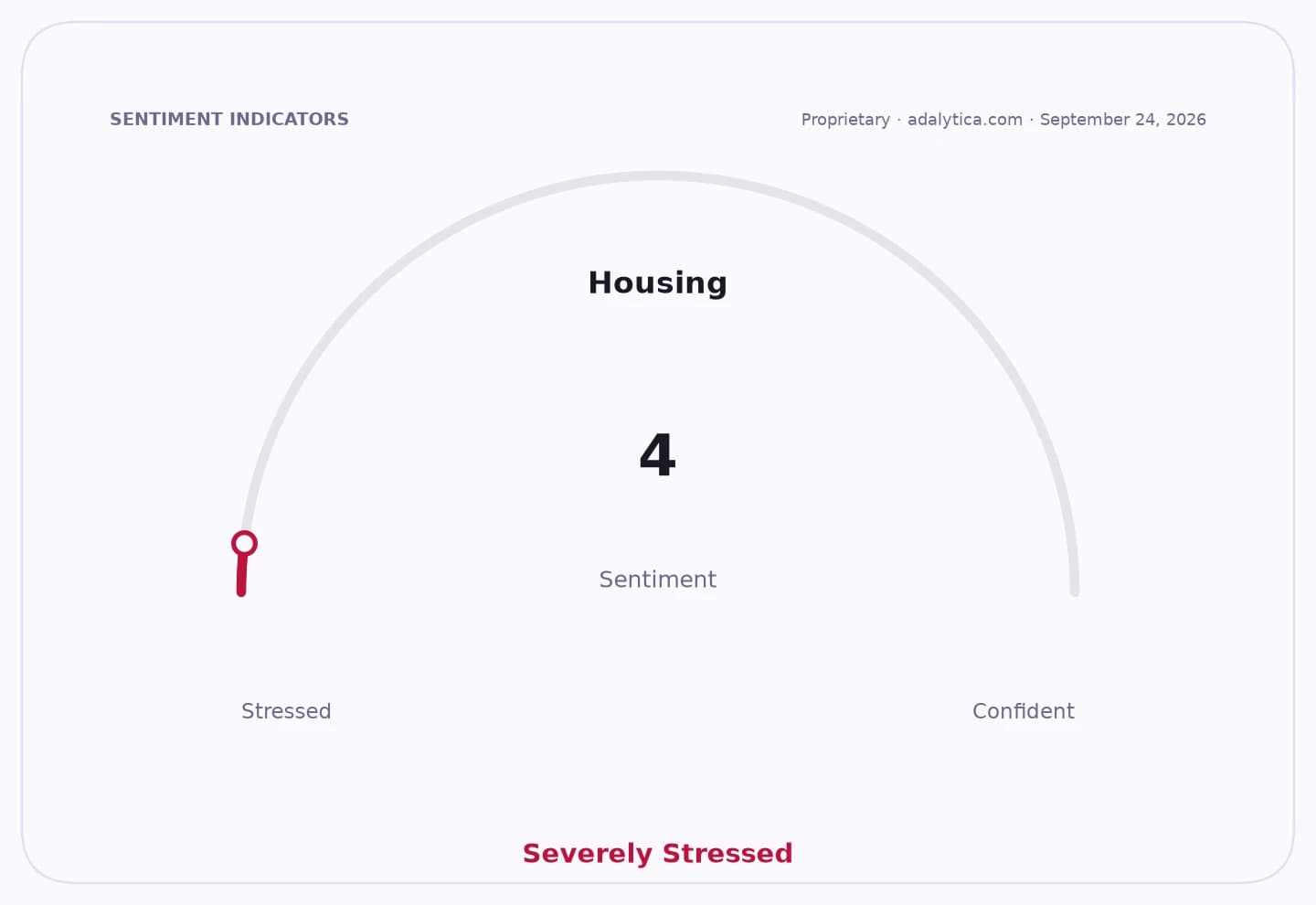
Switzerland’s 10-year mortgage rates have climbed above 2%, reinforcing a new higher-for-longer rate regime that could keep pressure on homebuyers, construction activity and housing-related equities.
The shift matters because Swiss property finance has long been anchored by ultra-low borrowing costs, and the latest move suggests that global rates are finally filtering into one of Europe’s most defensive housing markets. A survey by Moneypark and Helvetia showed benchmark 10-year mortgage rates rising to 2.06% in September from 1.98% in June, while 5-year loans rose to 1.83%. Even the best available offers, typically reserved for borrowers with strong credit and bargaining power, now sit at 1.60% for 10-year money.
That is not a crisis-level move, but it is enough to change behavior. When financing costs edge higher at the long end, households tend to delay purchases, stretch affordability assumptions and lean more heavily on shorter-duration fixes. For builders, brokers and lenders, the problem is less the absolute rate than the direction: the market is signalling that the era of emergency-era mortgage pricing is gone, and that refinancing assumptions built on pre-2022 conditions may no longer hold.
The broader macro backdrop is doing the work. Inflation expectations abroad remain sticky, capital-market yields are elevated in Europe and the U.S., and Swiss lenders are increasingly importing that reality into mortgage pricing. The Swiss franc and relatively modest domestic inflation still cushion the local market, helping prevent the kind of surge seen elsewhere, but they are not enough to pull Swiss mortgage rates back to the floor. Moneypark’s own description of a “new interest rate normal” is the key phrase here: rates are still low by global standards, but meaningfully above the old baseline.
For investors, the implication is straightforward. Higher mortgage rates tighten affordability and can slow turnover in the housing market, which tends to hit construction activity first and ancillary spending next. In the U.S., homebuilder ETFs such as ITB and XHB have already been showing the strain, while builders including Lennar have seen their shares retreat as rates stay restrictive and incentives rise. That same playbook applies in Switzerland, where a persistent drift higher in long-term mortgage rates can suppress demand for new builds, force more pricing concessions and compress margins across the housing value chain.
The more interesting opportunity is not in chasing the mortgage lenders themselves, but in identifying who can absorb the repricing and who cannot. Developers with premium land banks, strong balance sheets and flexible inventory can outlast the cycle. Highly leveraged buyers, rate-sensitive construction names and firms dependent on rapid turnover are the ones most exposed if this “new normal” keeps inching upward.
The takeaway for investors is to treat Switzerland’s move above 2% as another sign that housing affordability is being reset globally. That favors selective builders, balance-sheet strength and infrastructure-style housing plays over broad exposure to rate-sensitive homeownership demand.
| Entity | Gains | Losses |
|---|---|---|
| Swiss lenders | ▲Wider pricing power | ▼Slower loan growth |
| Swiss homebuyers | ▲Stronger incentives to wait | ▼Higher monthly payments |
| Homebuilders | ▲Firms with affluent buyers | ▼Rate-sensitive volume builders |
| Housing ETFs | ▲Selective quality names | ▼Broad homeownership exposure |