T-Mobile names Jessica Uhl as future CFO
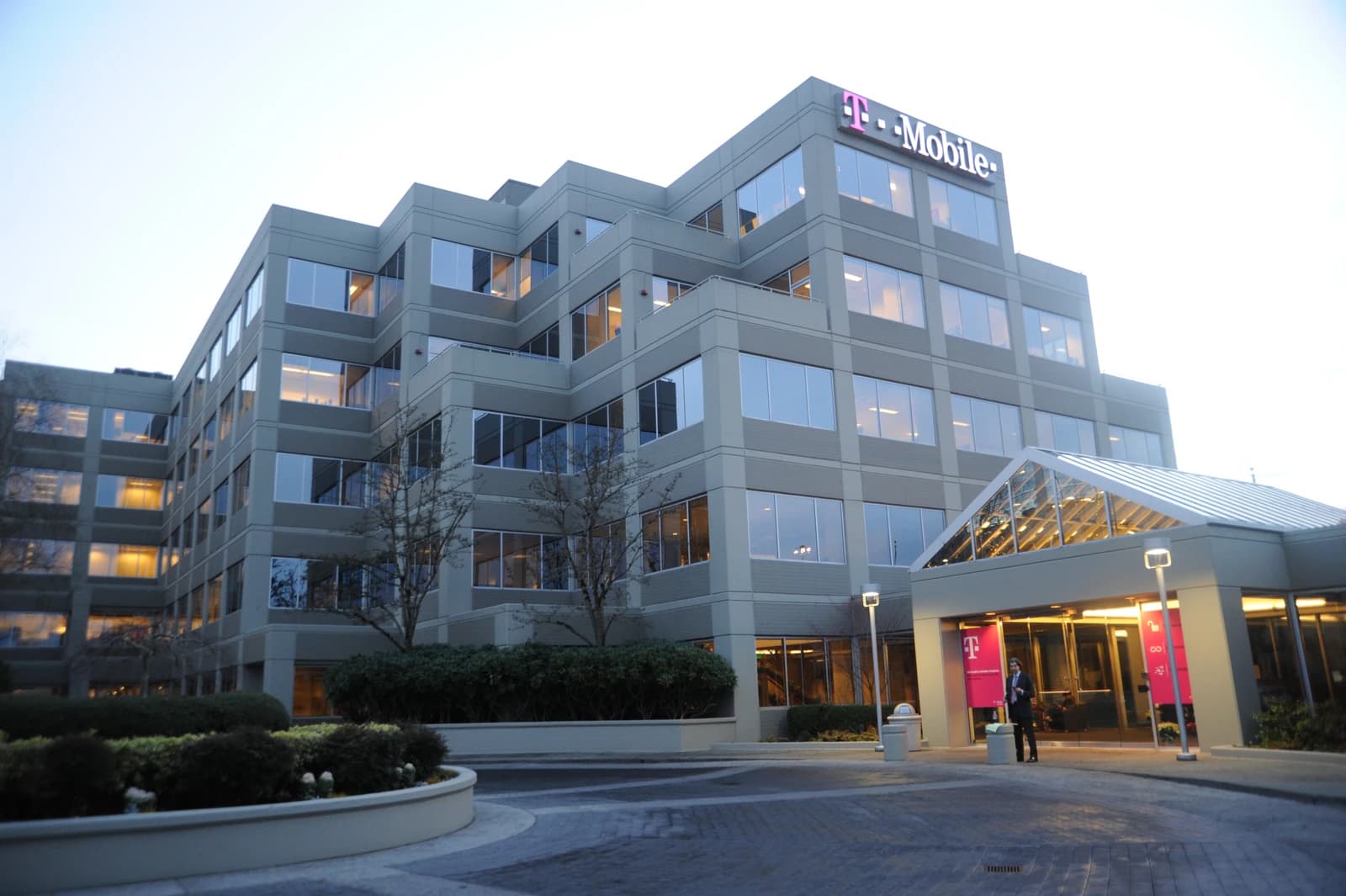
T-Mobile’s decision to hand the finance reins to Jessica Uhl in 2027 lands at a sensitive moment for the U.S. wireless carrier, with parent Deutsche Telekom facing renewed pressure from activist investor Elliott Investment Management over the future of its T-Mobile stake and any possible merger plans.
The succession itself is orderly. Peter Osvaldik will remain as chief financial officer until February 2027 and then serve as a strategic adviser before his scheduled retirement in July, giving T-Mobile more than a year of overlap with Uhl, who will join as CFO-designate in mid-September. But the timing matters because the company is not making a routine back-office change in isolation: it is preparing its finance leadership for a period in which capital allocation, leverage, shareholder returns and corporate structure could all come under sharper scrutiny.
For investors, the appointment is significant because T-Mobile sits at the center of one of the more consequential strategic questions in U.S. telecoms. Deutsche Telekom owns about 54% of T-Mobile and has been exploring a merger that would create a transatlantic telecoms giant, Reuters reported in April. Elliott’s reported stake and push for Deutsche Telekom to abandon that idea raises the odds that T-Mobile’s financial strategy will be judged not only on execution in the U.S. market, but also on how well it can defend the case for independence, or support a different capital structure if strategic alternatives advance.
Uhl brings a profile that suggests T-Mobile wants a finance chief with deep experience in capital-intensive, investor-facing industries. She was CFO of Shell and most recently president of GE Vernova, roles that required balancing investment, returns and portfolio restructuring. That background may appeal to shareholders looking for disciplined capital deployment at a time when telecom groups are under pressure to fund network upgrades while also maintaining returns.
The market backdrop underscores why continuity in finance leadership matters. T-Mobile’s shares have been volatile, with the stock around $183.39 on Friday after trading above $220 in October, while technical measures such as the 200-day moving average have remained above the current price for much of the period shown, pointing to a still-fragile trend despite a recent rebound. Verizon has also rallied sharply this year, underscoring that investors are still willing to reward telecom operators with improving execution, but not at any price.
Osvaldik’s long handover should reduce the risk of disruption to budgeting, guidance and investor communication. Still, a new CFO often becomes the face of the numbers during strategic inflection points, and Uhl will inherit a company whose ownership structure, merger optionality and capital returns are all potential sources of debate. If Deutsche Telekom’s plans shift under activist pressure, T-Mobile’s finance chief will be central to explaining whether any change improves value for minority investors or simply resets the strategic argument.
For now, the message is less about a near-term change in operations than about governance and preparation. T-Mobile is bringing in a finance leader with large-company restructuring credentials before the next round of ownership and strategy decisions arrives, and investors will watch closely to see whether that strengthens the case for T-Mobile’s current path or equips the company for a broader transaction.
| Entity | Gains | Losses |
|---|---|---|
| T-Mobile | ▲CFO continuity | ▼Transition risk |
| Jessica Uhl | ▲Blue-chip mandate | ▼Immediate scrutiny |
| Peter Osvaldik | ▲Planned exit | ▼Day-to-day control |
| Deutsche Telekom minority investors | ▲Clearer governance | ▼Merger uncertainty |