T-Mobile Shares Fall on Satellite Competition Worries
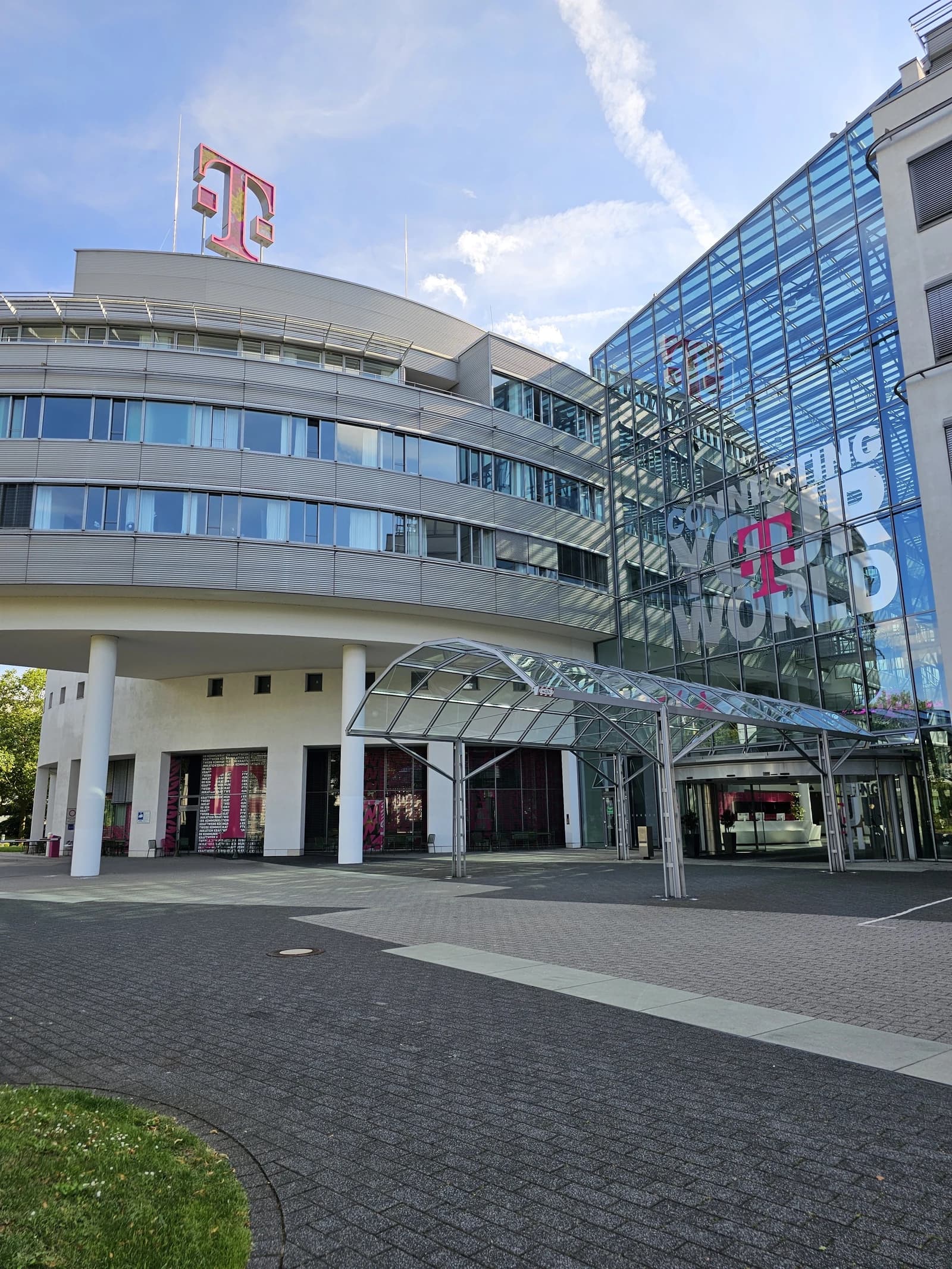
T-Mobile's mobile business still looks insulated from SpaceX's push into satellite-based communications, and that matters because investors have spent months worrying that Elon Musk's company could chip away at the wireless carrier's long-term growth.
BofA's view is that SpaceX's move is more likely to extend coverage than replace a carrier network. That distinction matters economically: T-Mobile makes money from recurring wireless subscriptions, and the core value of that model depends on keeping customers inside its ecosystem rather than losing them to a rival with a different technology stack.
The market seems to agree. T-Mobile shares were last down 1% at $177.91 on Thursday, but the stock has already recovered from a rough stretch earlier this year when it traded as low as $167.73 in late June. Even after the recent bounce, the shares remain below the 50-day moving average of $181.20 and well under the 200-day average of $194.31, suggesting investors are still demanding proof that the company can keep growing through a more competitive wireless landscape.
That is where the long-term story gets interesting for investors. T-Mobile has been building its business around postpaid account growth, 5G broadband adoption and broader service revenue gains, while its latest filings also show it is leaning into a satellite-linked network restructuring initiative and a joint venture tied to satellite services. In other words, the company is not standing still while SpaceX and other space-based players expand the communications map.
For shareholders, the bigger question is not whether satellite coverage exists, but whether it meaningfully disrupts the economics of national wireless networks. So far, the answer appears to be no. Satellite service is likely to be an add-on for dead zones, emergency use and coverage gaps, not a full substitute for terrestrial mobile service, billing relationships and the everyday data consumption that drives carrier profits.
Technically, T-Mobile's stock has also been trying to stabilize. Its relative strength index was 51.5 on Thursday, a sign the shares are no longer deeply oversold, while the MACD has flattened near the signal line. That points to a stock that may be rebuilding momentum, even if the broader trend is still muted.
For long-term investors, the takeaway is simple: SpaceX's mobile communications ambitions may widen the market for satellite-enabled connectivity, but they do not automatically threaten T-Mobile's core franchise. If anything, they reinforce how valuable nationwide wireless relationships remain. T-Mobile still looks like a hold for patient investors, and the satellite story is worth watching rather than fearing.
| Entity | Gains | Losses |
|---|---|---|
| T-Mobile | ▲Core wireless franchise protected | ▼Short-term sentiment |
| SpaceX | ▲Coverage expansion narrative | ▼Direct carrier substitution hopes |
| Wireless investors | ▲More clarity on disruption risk | ▼Fear-driven trading setups |
| Satellite users | ▲Better rural/emergency connectivity | ▼Reliance on legacy dead zones |