T-Mobile US Gains on Network Lead and Starlink
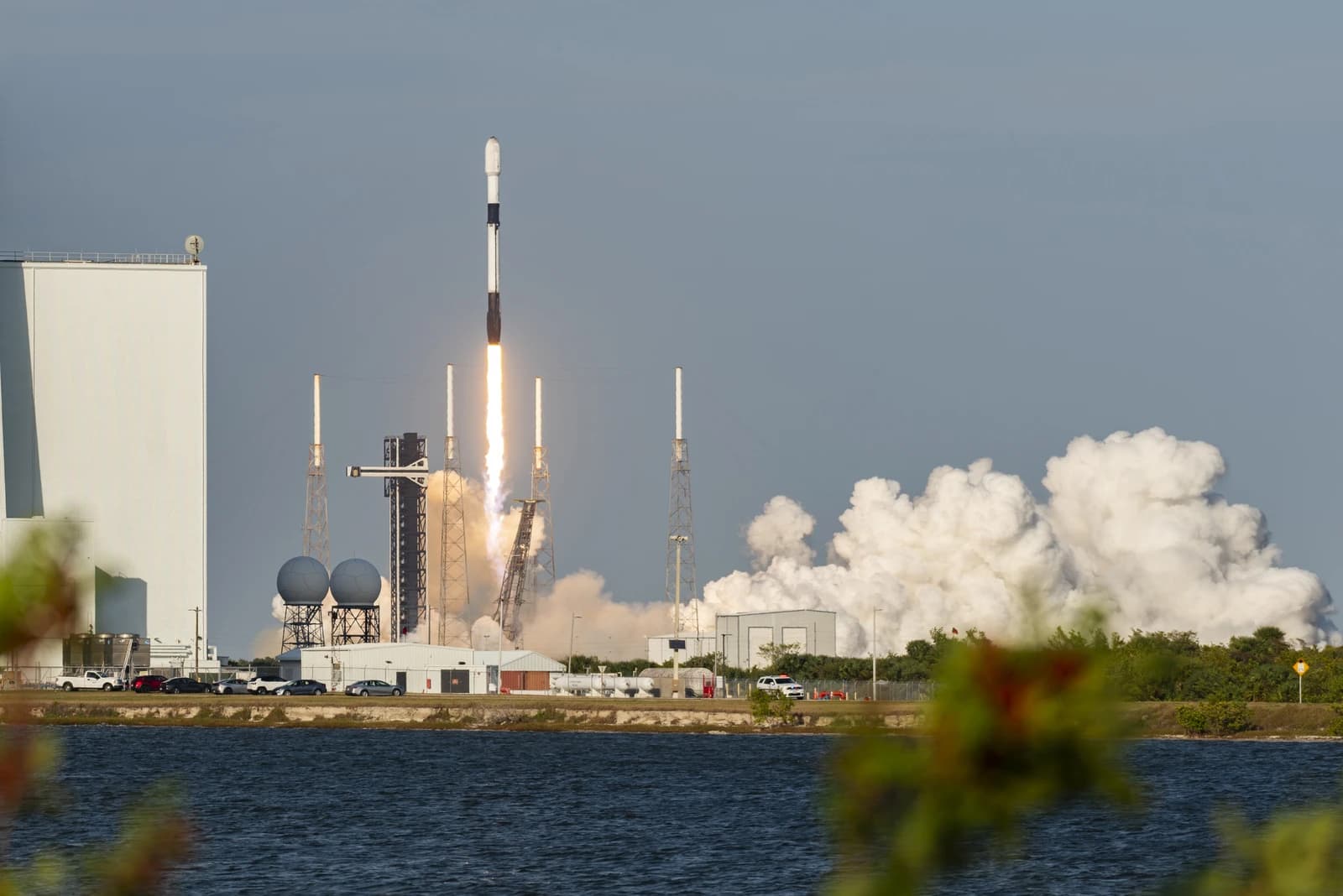
T-Mobile US is backing up its growth pitch with a widening network lead and the first commercial wave of its Starlink partnership, giving investors a clearer path to higher service revenue even as the stock trades well below its highs.
The carrier’s shares were last at $182.62, just above the 50-day moving average of $181.67, after rebounding from a summer slide that pushed the stock as low as $167.73. The technical setup has improved, with the RSI at 58.5 and the MACD turning positive, suggesting the recent recovery is more than a one-day bounce.

What matters economically is that T-Mobile is trying to convert network quality into durable pricing power and account growth at a time when wireless competition remains intense. Its latest filing said higher fee revenue, adoption of tax- and fee-exclusive plans, and more customers per account drove service growth, while continued adoption of 5G broadband added to the mix.
The Starlink tie-up adds another layer to that story. By extending coverage into dead zones and underserved areas through satellite-to-phone service, T-Mobile can market a broader, more resilient network without the capital intensity of building towers everywhere. That matters in a low-growth telecom market because coverage differentiation can help protect churn, support premium tiers and defend average revenue per user.
Verizon’s own filings show the competitive response is ongoing, with the company investing in densification, macro and small-cell capacity, in-building systems and distributed antenna networks. In other words, the industry is still fighting for the same customers through network reach and reliability, even as T-Mobile has been gaining on execution.
The stock has reflected that relative strength. T-Mobile is still trading below its 200-day moving average of $194.63, but it has held near the 50-day line after recovering from late-June weakness, while Verizon has climbed to $50.15 and AT&T to $25.69. The broader market backdrop remains cautious, with Adalytica’s S&P 500 trade signals showing “Fear,” but telecom has offered a defensive haven as investors look for cash-flow resilience and visible subscriber trends.
For investors, the key question is whether T-Mobile can keep turning network advantages into account growth without sacrificing margins. The next catalyst is likely to be subscriber data and any further detail on how the Starlink service is being monetized, which will determine whether the story remains a product headline or becomes a meaningful earnings driver.
| Entity | Gains | Losses |
|---|---|---|
| T-Mobile US | ▲Better growth narrative | ▼Pressure to prove monetization |
| Subscribers in weak-coverage areas | ▲Wider connectivity | ▼Higher expectations for service quality |
| Verizon | ▲Push to defend network lead | ▼More competition on coverage claims |
| AT&T | ▲Industry demand for better wireless reach | ▼Risk of being outpaced on differentiation |