Taiwan Proposes 18% Increase in 2027 Defense Budget
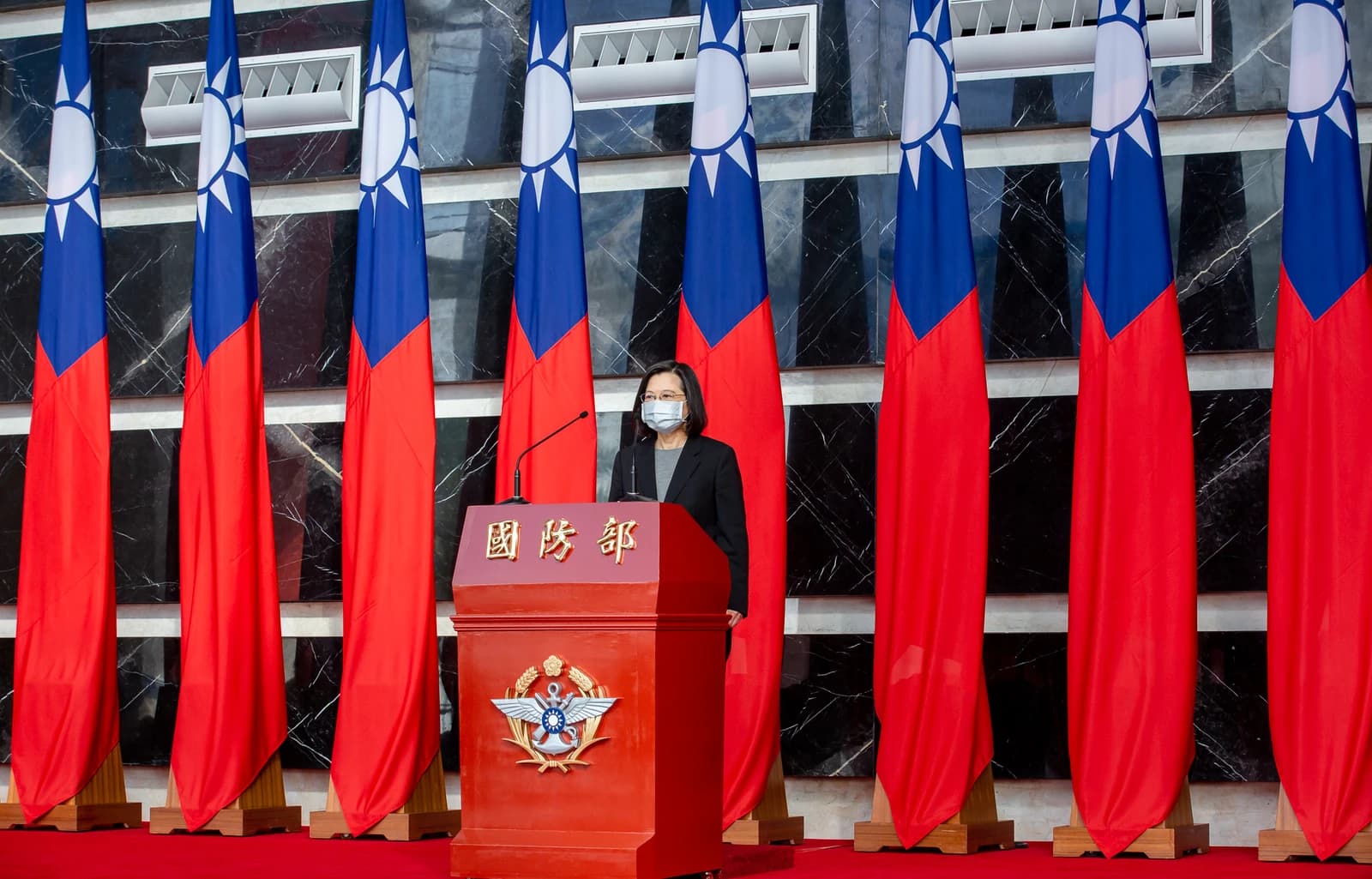
Taiwan is preparing its biggest signal yet that it intends to deter China with money, not just rhetoric: a proposed 18% jump in military spending for 2027, underscoring how quickly the cost of defending the island is rising.
For investors, that matters because security spending is no longer a background political issue in Asia — it is becoming part of the region’s economic baseline. A bigger defense budget can support everything from shipbuilding and drones to communications, cybersecurity and surveillance, while also reminding markets that the Taiwan Strait remains one of the world’s most important geopolitical flashpoints. Any escalation there can ripple through supply chains, insurance costs and risk premiums far beyond the island itself.
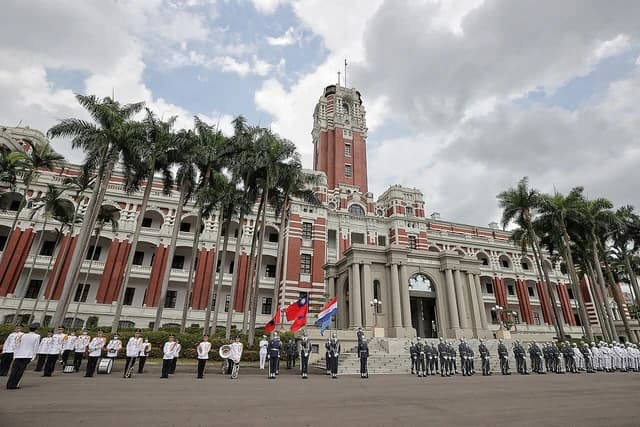
The proposal comes as China has stepped up pressure on Taiwan with sharper military rhetoric, sanctions-like measures and public denunciations of Taipei’s annual Han Kuang drills. Beijing called the exercises a “pure farce,” even as Taiwan conducted maneuvers designed to simulate repelling a Chinese assault, including tests of how to keep the public connected if mobile internet is throttled. That is not just theater. It is a sober admission that Taiwan is preparing for a real contingency.
Taiwan’s leaders are trying to frame the spending increase as an investment in peace, which is the right lens for long-term investors. Deterrence only works if adversaries believe it will be expensive to challenge it. That means years of heavier outlays, especially if Taiwan continues to modernize its forces, harden infrastructure and expand asymmetric capabilities that make an invasion or blockade more difficult and more costly.
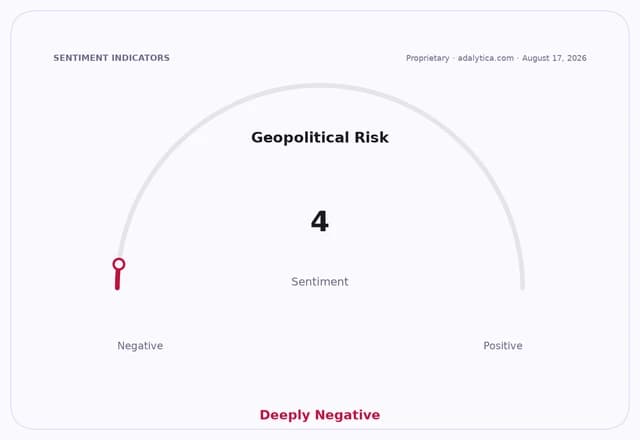
The market angle is broader than Taiwan alone. Global risk gauges point to elevated geopolitical anxiety, while investors continue to treat Taiwan Semiconductor Manufacturing Co. as one of the world’s most important strategic assets because of its role in advanced chips. TSM’s stock has held up well, with shares around $426, above both its 50-day and 200-day moving averages, while its relative strength remains solid. That tells you capital still sees Taiwan as essential, even as the political risk premium stays high.
The lesson for investors is not to panic, but to respect the long game. Higher defense spending in Taiwan is a sign that cross-strait tensions are not fading, and that businesses tied to the island’s technology ecosystem may face a permanently higher backdrop of security spending, policy support and headline risk. Over time, that can benefit defense suppliers, resilience infrastructure and parts of the broader Asia supply chain that adapt fastest.
For patient investors, the takeaway is simple: Taiwan’s proposed budget increase is a reminder that geopolitics can be a powerful force in markets, but it also creates durable demand for security, technology and resilience. Worth watching closely, especially if you invest in semiconductors, emerging Asia or defense-linked themes.
| Entity | Gains | Losses |
|---|---|---|
| Taiwan defense contractors | ▲Bigger procurement budgets | ▼Margin pressure from long timelines |
| Taiwan government | ▲Stronger deterrence | ▼Higher fiscal burden |
| China | ▲Strategic leverage in pressure campaign | ▼Diplomatic goodwill |
| TSMC and chip investors | ▲More focus on Taiwan’s strategic role | ▼Higher geopolitical risk premium |