Taiwan adds 26 aircraft shelters at eastern airbases
Taiwan is moving to harden its eastern airbases with 26 new aircraft shelters, a sign Taipei is treating a Chinese missile barrage on runways and parked fighters as one of the island’s most immediate military risks. For investors, the story matters because the response is not just about survival on the battlefield — it is about a long-running buildout in defense procurement that should keep pressure on U.S. aerospace and missile contractors for years.
The reported shelters at Hualien and Taitung are designed to protect Taiwan’s F-16 fleet if the People’s Liberation Army opens a conflict with a first-wave strike on airfields. That is the economic logic behind the move: in a crisis, aircraft on the ground are as vulnerable as buildings, and hardened infrastructure is one of the cheapest ways to preserve combat power. Taiwan is not waiting for a war to find out whether its fighters can survive it.
The plan also points to a broader modernization cycle. Taipei expects 66 new F-16C/D Block 70 fighters by the early 2030s, which means the island is investing in both the aircraft and the infrastructure needed to keep them alive. That is important because the value of advanced jets depends on sortie generation, maintenance and survivability, not just procurement headlines. A fighter fleet that can be dispersed, sheltered and rapidly returned to the sky is far harder to neutralize.
For U.S. defense suppliers, that creates a durable tailwind. Lockheed Martin builds the F-16, while Raytheon and Northrop Grumman stand to benefit from the wider missile defense, sensors and command-and-control spending that usually follows this kind of base-hardening effort. These are the kinds of programs that can stretch for years, not quarters, and they tend to support backlog, production visibility and aftermarket demand.
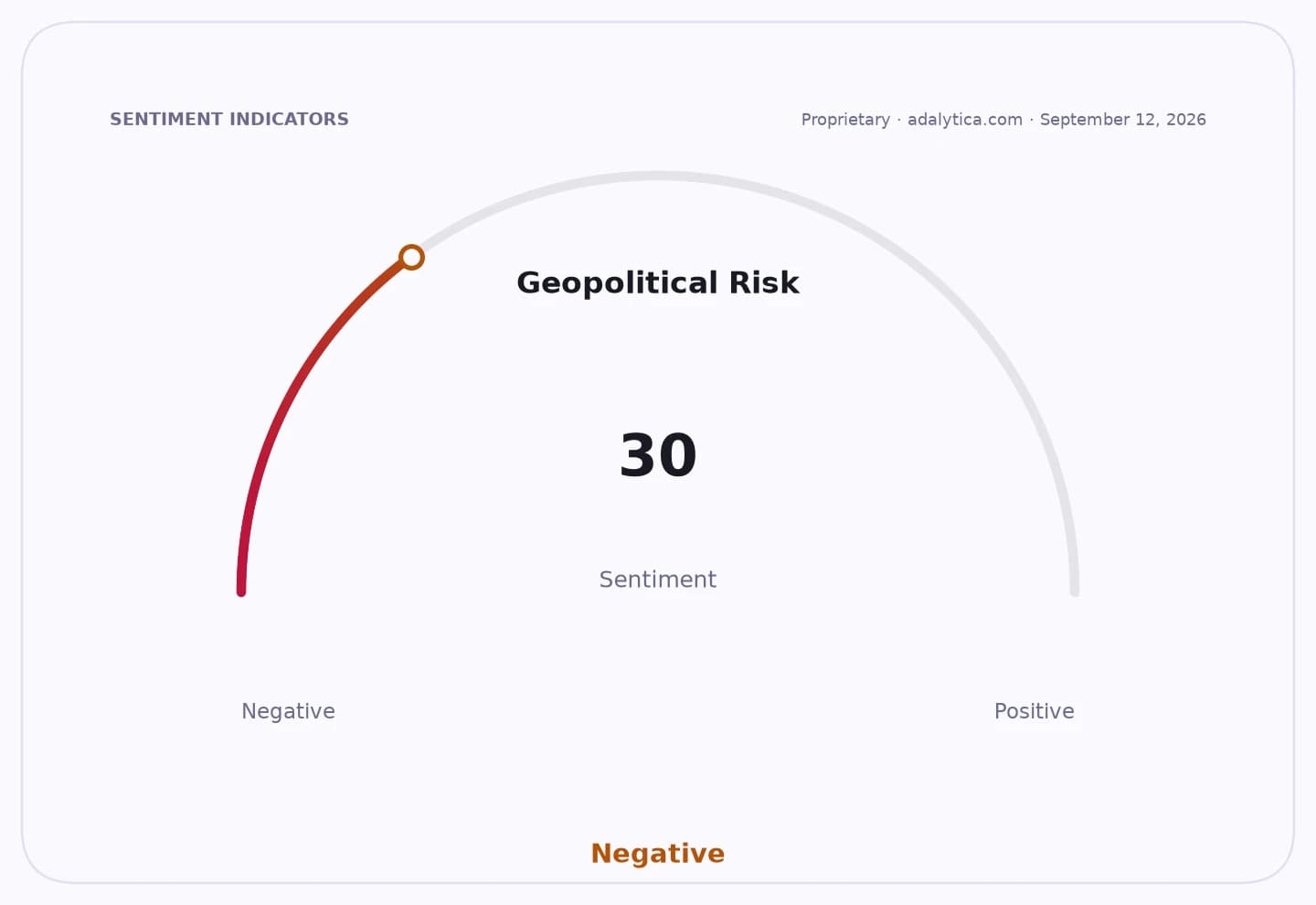
The latest market action has been choppy, but the longer-term investment case is still tied to rising geopolitical risk in the Western Pacific. Adalytica’s U.S.-China Relations sentiment gauge shows extreme greed, while its global stability reading sits in fear territory, a reminder that markets may swing on headlines even as governments keep spending on deterrence. For long-term investors, that usually means the defense theme is not about chasing a rally; it is about owning the contractors that turn tension into recurring orders.
There are limits to the bullish case. Defense budgets are political, delivery schedules slip, and a single hardened shelter does not solve Taiwan’s vulnerability to a mass missile strike. But the direction of travel is clear: Taiwan is adapting for a world in which survivability matters as much as firepower, and that should keep allied defense spending elevated.
Investors who want exposure to that multi-year theme should think in terms of diversified holdings, not one-off trades. The companies best positioned are the ones with deep manufacturing capacity, strong program execution and long backlogs — and this Taiwan buildout is another reason they belong on a watchlist for the years ahead.
| Entity | Gains | Losses |
|---|---|---|
| Lockheed Martin | ▲F-16 demand, upgrades | ▼If Taiwan delays orders |
| Raytheon | ▲Missile defense spending | ▼If threat perceptions ease |
| Northrop Grumman | ▲Sensors and command systems | ▼Budget deferrals |
| China/PLA | ▲Strategic leverage | ▼Surprise and first-strike advantage |