Taiwan Plans 18% Defense Budget Increase for 2027
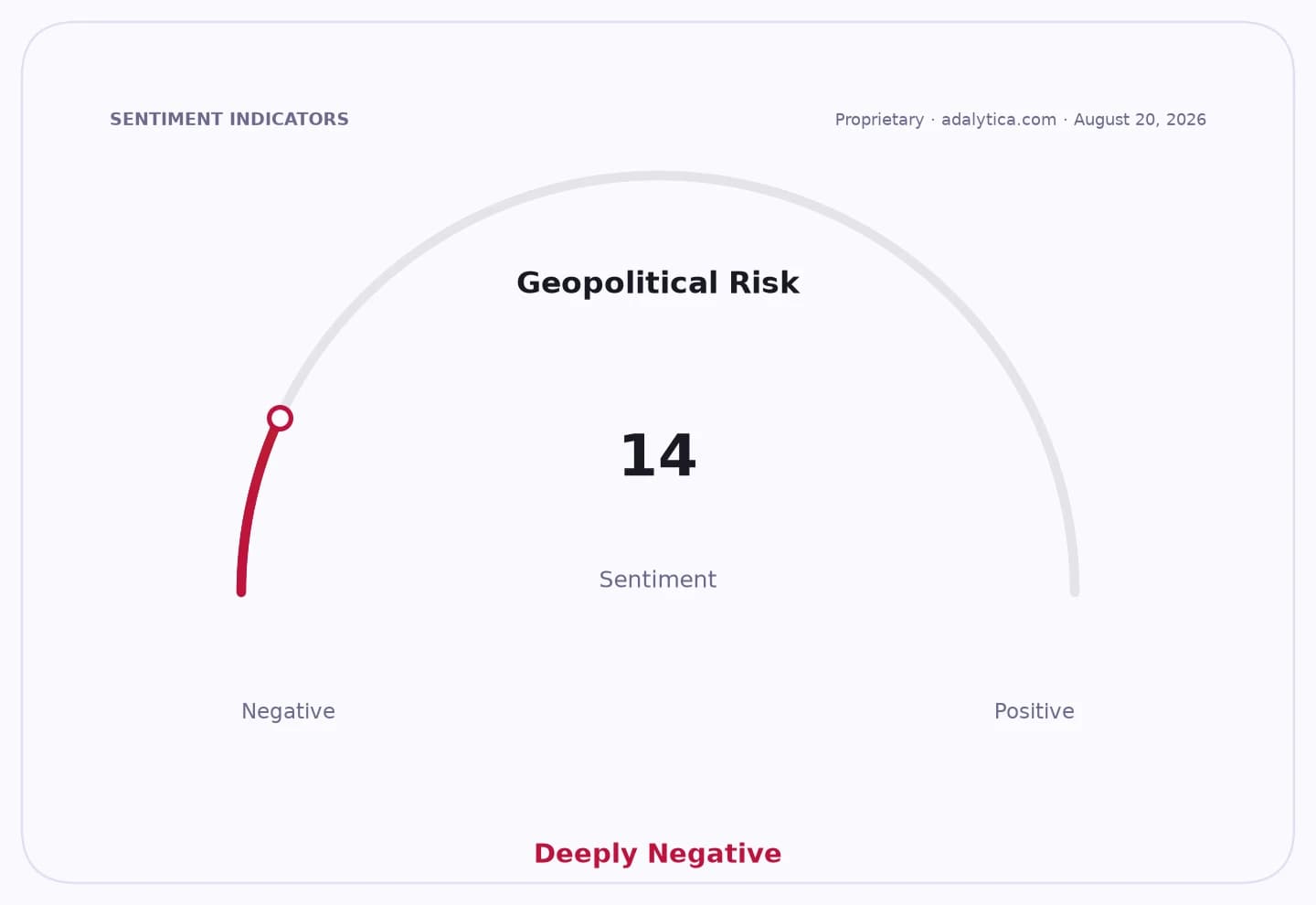
Taiwan is moving to lift defense spending 18% in 2027 to a record high, a sign the island is treating the risk from China less as a distant geopolitical backdrop and more as a rising budget priority with direct implications for regional security and Asian markets.
The increase matters economically because defense outlays at this scale will continue to crowd Taiwan’s fiscal choices even as the government tries to harden critical infrastructure, expand readiness and keep its technology-driven economy functioning under persistent military pressure. It also matters beyond the island: Taiwan sits at the center of global semiconductor supply chains, and any step-up in deterrence spending is a reminder that political risk around the Taiwan Strait is not abstract for manufacturers, shippers and insurers.
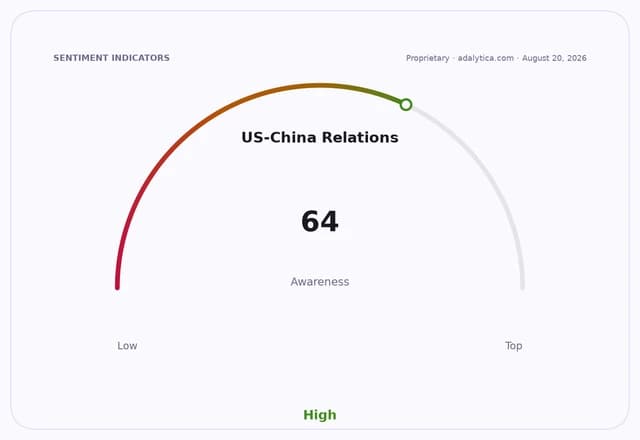
The proposal comes after a period of intensified drills and contingency planning, including naval exercises and cyberattack simulations that reportedly tested mobile internet throttling in the event of a Chinese strike. Those preparations point to a broader shift in Taipei’s thinking: the challenge is no longer just to buy more weapons, but to make society and communications networks resilient enough to absorb disruption if coercive pressure turns into crisis.
For investors, the budget news reinforces two competing themes. On one hand, higher defense spending could support Taiwanese and US contractors tied to surveillance, missiles, air defense and command-and-control systems, while also underpinning demand for electronics and dual-use technologies. On the other, it keeps the geopolitical risk premium elevated for assets tied to Taiwan’s export economy, including semiconductors and shipping routes that remain highly exposed to any miscalculation in the Strait.
That tension is already visible in markets. TSMC shares have recovered sharply over the past year but remain volatile, reflecting both strong artificial-intelligence demand and the persistent overhang of Taiwan’s security environment. US defense names including Lockheed Martin and RTX have also seen brisk trading, with the sector benefitting from elevated global military budgets as governments rearm amid a more unstable international order.
Adalytica’s Global Stability sentiment gauge sits in extreme fear territory, while its US-China relations sentiment has improved from recent lows but remains only neutral, underscoring how investors are still pricing a fragile balance rather than a stable détente. The Taiwan budget proposal fits that picture: a larger defense bill is not a one-off procurement decision, but another sign that Asia’s most sensitive flashpoint is drawing more resources, more planning and more market attention.
The key question now is how quickly Taipei can translate spending into capabilities that deter Beijing without overburdening the economy. If the increase is paired with faster procurement, better reservist training and tougher infrastructure defenses, it could strengthen Taiwan’s position. If political gridlock or supply constraints slow execution, the market will keep focusing less on the headline number and more on whether the island can turn record spending into real resilience.
| Entity | Gains | Losses |
|---|---|---|
| Taiwan defense sector | ▲Bigger budgets | ▼Fiscal flexibility |
| US arms makers | ▲Procurement demand | ▼None directly |
| China | ▲Strategic pressure | ▼Deterrence credibility |
| Taiwan exporters | ▲Security support | ▼Geopolitical risk premium |