Taiwan Raises Defense Spending on China Tensions
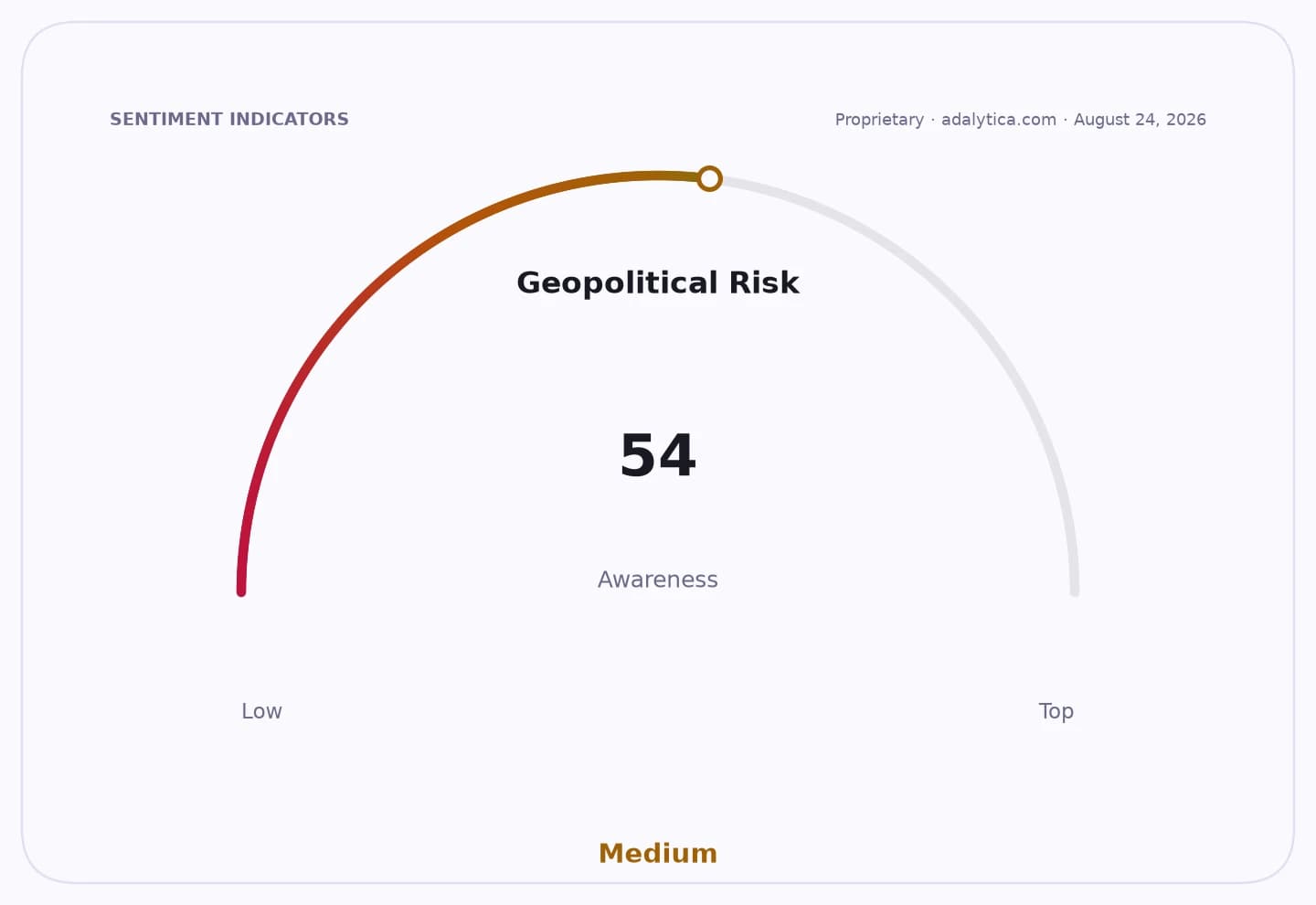
Taiwan’s detection of Chinese military activity around the island is the latest reminder that the Taiwan Strait remains one of the world’s most dangerous geopolitical flashpoints, and it is forcing Taipei to spend more to harden its defenses. That matters far beyond the island’s borders: Taiwan is the linchpin of global advanced chip supply, so every escalation raises the premium on supply-chain resilience, defense capex and risk assets exposed to the U.S.-China rivalry.
The immediate economic significance is simple — more tension means more money flowing into military readiness, civil defense and contingency planning. Taiwan has already lifted its defense budget 18% to more than $31 billion, a sharp increase for an economy that depends heavily on trade and technology exports. When a government that central to the semiconductor supply chain starts diverting more resources toward security, investors should read that as a structural shift, not a temporary headline.
China’s pressure campaign also keeps a lid on risk appetite across Asia and in assets tied to mainland China. That shows up in funds such as FXI and YINN, which remain well below their longer-term trend markers even after recent rebounds. FXI has been clawing back from weakness, but at 35.86 it is still under its 200-day moving average near 36.67, while YINN, a leveraged bet on Chinese equities, sits at 30.48 versus a 200-day average near 36.28. The market is still pricing China with caution, even as geopolitical rhetoric heats up again.
For investors, the bigger point is that geopolitical stress is becoming a recurring feature rather than a one-off shock. That is bullish for a wide set of “picks-and-shovels” trades: defense contractors, drone and surveillance suppliers, cybersecurity firms, and infrastructure plays tied to resilience and redundancy. It is also a quiet tailwind for Taiwan’s strategic role in global manufacturing, especially for companies linked to advanced semiconductors that investors cannot easily substitute away from.
The market’s mistake is to treat these military flare-ups as noise. They are reinforcing a long-running capital-allocation trend: higher defense spending, more regional security partnerships, and more pressure on supply chains to diversify away from single points of failure. In that world, the winners are the firms that sell security, hardware and redundancy — not the ones assuming the Strait stays calm.
For now, the trade is straightforward: stay selective on China exposure, and look for the beneficiaries of a more militarized Asia-Pacific. The next escalation could arrive with little warning, but the investment thesis is already in motion.
| Entity | Gains | Losses |
|---|---|---|
| Taiwan defense contractors | ▲Higher orders | ▼None |
| Cybersecurity and drone suppliers | ▲More spending | ▼Complacency trade |
| Taiwanese exporters | ▲Resilience investment | ▼Security costs |
| China equities / leveraged China funds | ▲Short-term volatility traders | ▼Risk premium, foreign inflows |