Taiwan Presses Indonesia Over China Naval Drill
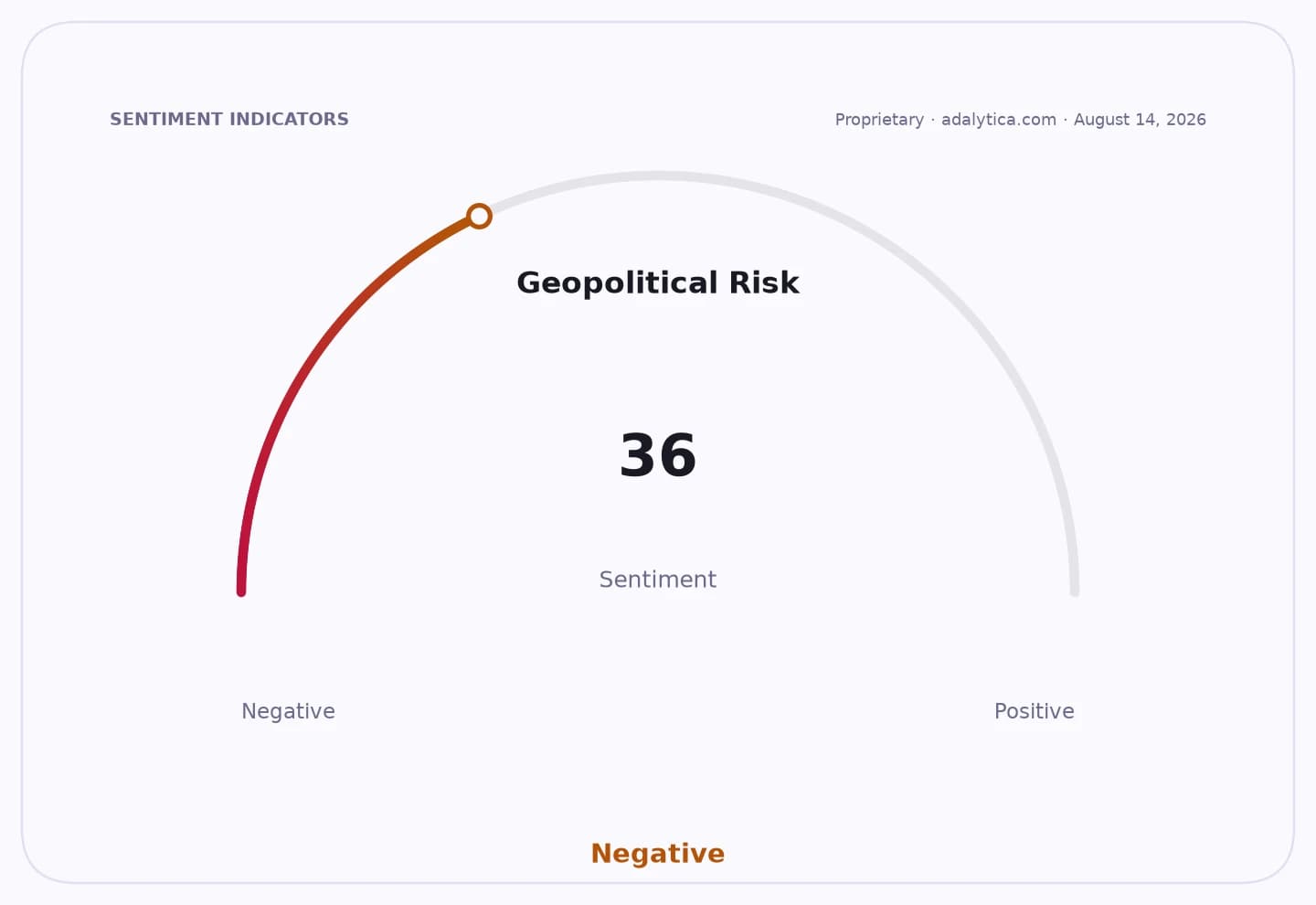
Taiwan is demanding answers after Indonesia joined China in a naval exercise east of the island, a move Taipei says heightens security risks in one of Asia’s most sensitive flashpoints.
The episode matters because any sign of broader regional participation in drills near Taiwan can complicate deterrence, sharpen diplomatic friction and raise the odds of miscalculation in the Taiwan Strait. It also arrives as Taipei steps up its own war-preparedness, underscoring how quickly military signaling in the Western Pacific is feeding into market perceptions of geopolitical risk.
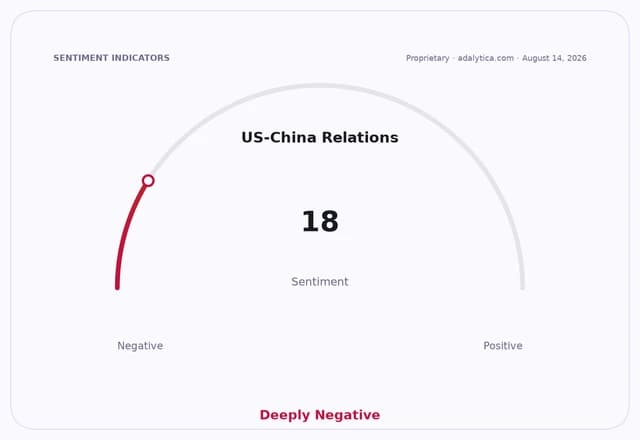
Taiwan has described the joint exercise as a dangerous provocation, while China continues to deny Taiwan’s sovereignty. Taipei’s response has been to intensify readiness through its annual Han Kuang drills, including simulating a Chinese air attack and restricting mobile internet, a reminder that the island is preparing for scenarios that go well beyond routine peacetime planning.
For investors, the immediate impact is less about direct market pricing than about the broader defense and risk backdrop. Sustained tension around Taiwan tends to support demand expectations for missile defense, surveillance, naval systems and command-and-control spending, areas that matter for contractors such as Northrop Grumman, Lockheed Martin and RTX.
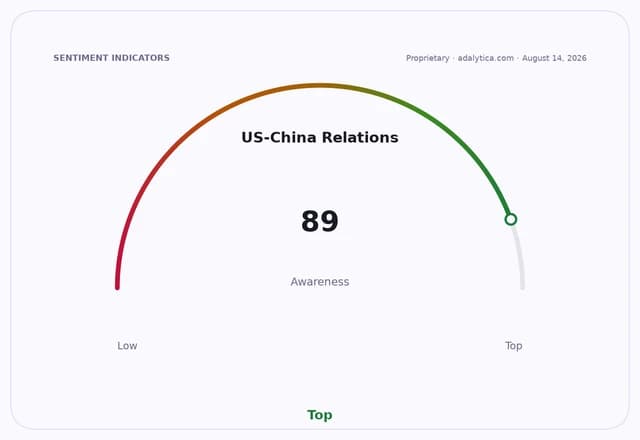
That backdrop has already translated into strong share performance for major defense names. RTX is trading around $221.80, up sharply from $150.03 a year earlier, while Lockheed Martin is near $607.89 after a much steeper climb from $496.21, and Northrop Grumman has recovered to about $583.93 from $565.02. Their technicals remain constructive, with RTX above both its 50-day and 200-day moving averages and Northrop also holding above those benchmarks.
The broader read-through is that the Western Pacific remains a live geopolitical risk center even as Washington and Beijing manage other areas of competition. If cross-strait tensions keep rising or more countries are drawn into military activity near Taiwan, investors are likely to keep a close watch on defense budgets, regional shipping lanes and any spillover into semiconductors, equities and global risk appetite.
| Entity | Gains | Losses |
|---|---|---|
| Taiwan | ▲deterrence focus | ▼diplomatic calm |
| China | ▲military signaling | ▼regional trust |
| Indonesia | ▲strategic visibility | ▼neutrality perception |
| Defense contractors | ▲demand for systems | ▼none immediately |