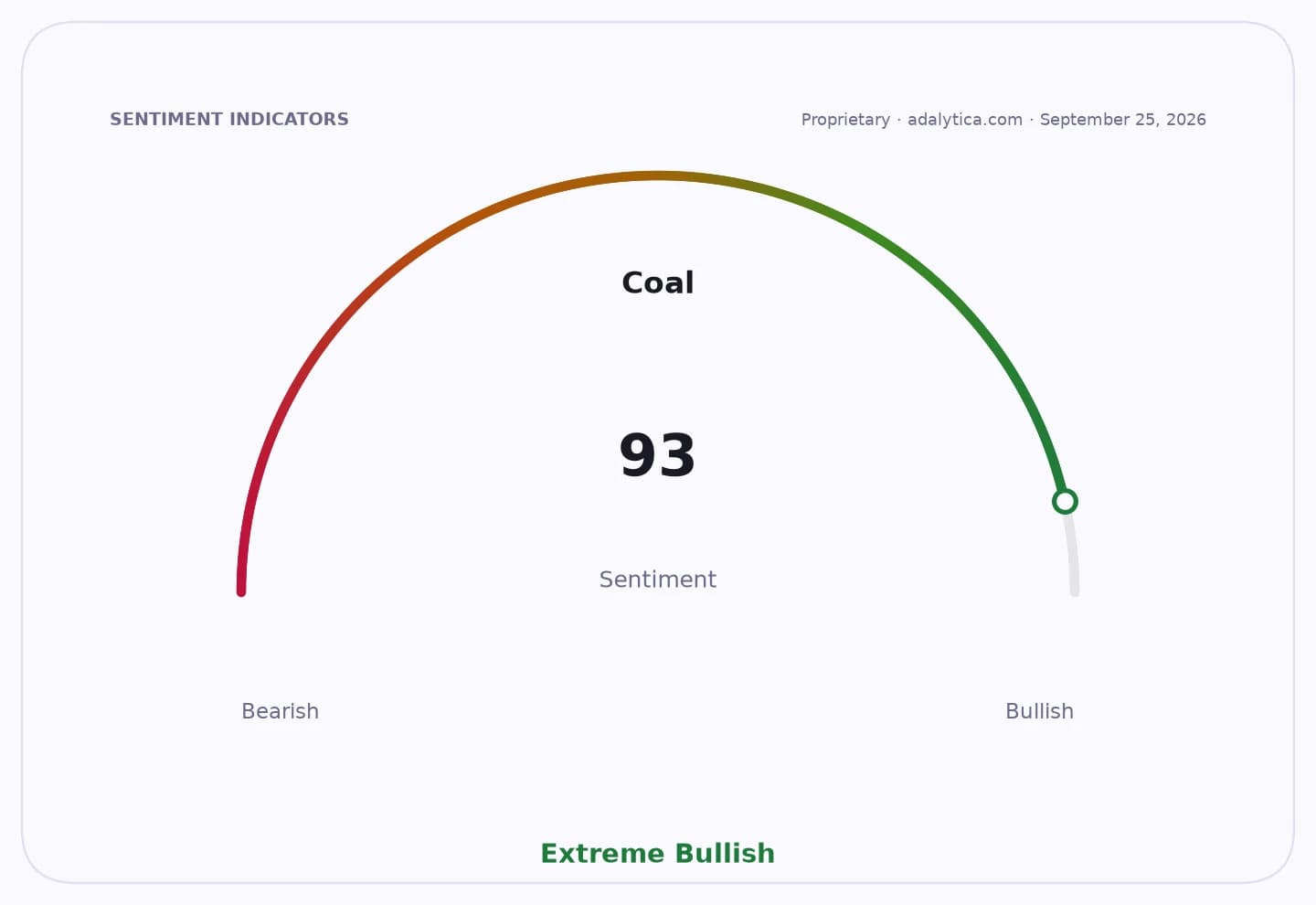
China’s protest over Japan Coast Guard vessels sheltering in the Taiwan Strait during a typhoon is another reminder that the most dangerous market risk in Asia is not a single headline, but the steady militarization of the waters around Taiwan. That matters because every new flare-up pushes up the region’s geopolitical risk premium, keeps defense spending on an upward path, and makes investors more cautious about China-facing assets while rewarding hedges and strategic autonomy plays.
Taiwan Strait Tensions Favor Defense and Security Stocks
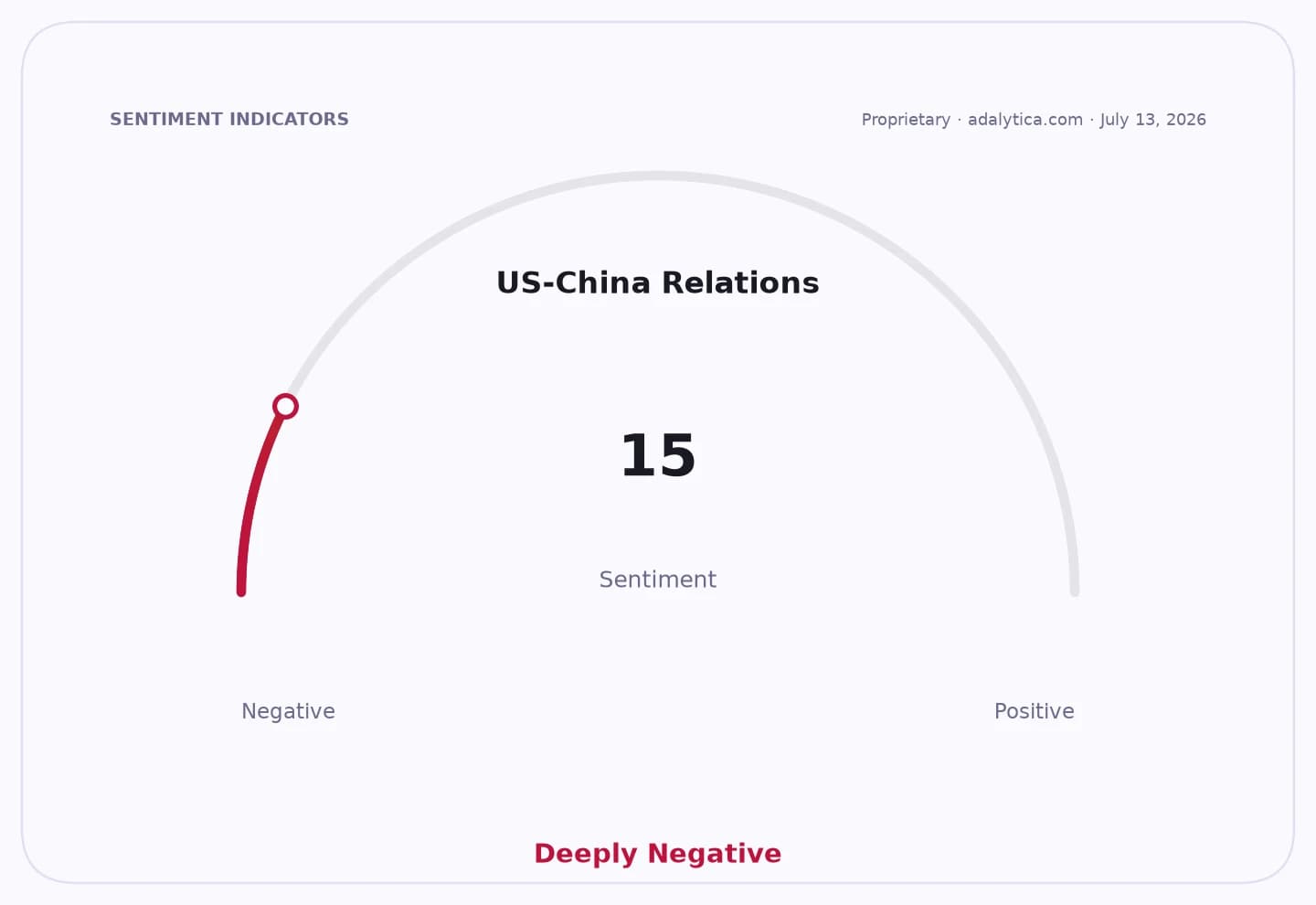
Beijing’s complaint may sound procedural, but the economics are anything but. The Taiwan Strait is one of the world’s most important trade arteries, and even temporary uncertainty in the area reinforces the argument that shipping, insurance, logistics and semiconductor supply chains all carry an embedded political discount. The latest episode also lands at a time when confidence in US-China relations is already fragile, with Adalytica’s US–China Relations Sentiment at “Extreme Fear” and the broader Global Stability Sentiment also flashing “Extreme Fear.” In other words, this is not an isolated spat; it is part of a deteriorating regional backdrop that can alter capital allocation.
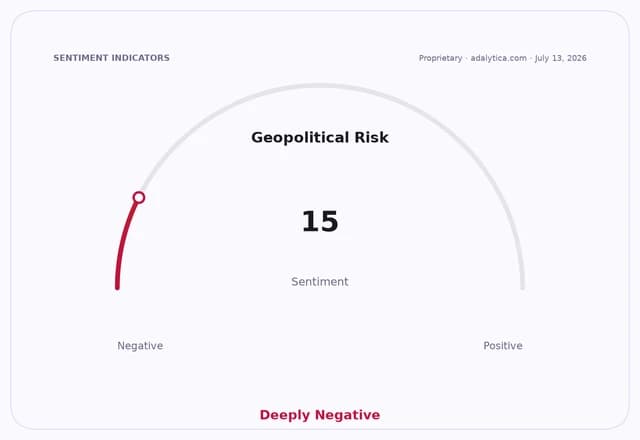
For investors, the market signal is straightforward: geopolitical friction around Taiwan tends to support defense contractors, cybersecurity, naval and surveillance suppliers, and Japanese companies tied to security spending, while weighing on Chinese equities and cross-border demand stories. That helps explain why Taiwan exposure remains volatile and why funds such as FXI continue to struggle to reclaim a durable trend, with the ETF still below its 200-day moving average and its recent rebound losing momentum. By contrast, Japan equity exposure through EWJ has held up far better, reflecting the market’s willingness to pay for perceived stability and policy support even as tensions rise nearby.
The deeper narrative is that typhoon-related sheltering is not really about weather. It is about competing claims over operational control in one of the world’s most strategically sensitive waterways, and about how quickly ordinary maritime activity can become a political incident. That dynamic keeps pressure on Tokyo and Taipei to harden defenses and diversify supply chains, while pushing Washington and its allies to treat the Taiwan Strait as a persistent planning risk rather than a one-off flashpoint.
Geopolitical Risk vs FXIadalytica.com
Explore this data interactively — full history, time series and cross-market comparisons.Open AlphaPulse
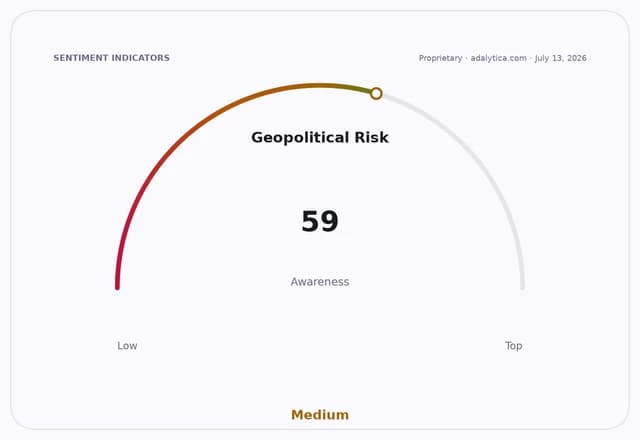
The investable takeaway is to keep leaning into the picks-and-shovels of security and resilience: defense, maritime monitoring, cybersecurity, and supply-chain redundancy. The market underestimates how often these “small” incidents accumulate into durable spending cycles. In a world where the Taiwan Strait is becoming a permanent risk premium, the winners are the companies that help nations see, defend and reroute around it.
| Entity | Gains | Losses |
|---|---|---|
| Defense contractors | ▲Higher demand | ▼None |
| Japan/Taiwan security plays | ▲Safe-haven flows | ▼Volatility |
| Chinese equities/FXI | ▲— | ▼Risk premium |
| Shipping/insurers | ▲Pricing power | ▼Route uncertainty |