Taiwan Drill Highlights TSM, EWT and FXI Risk
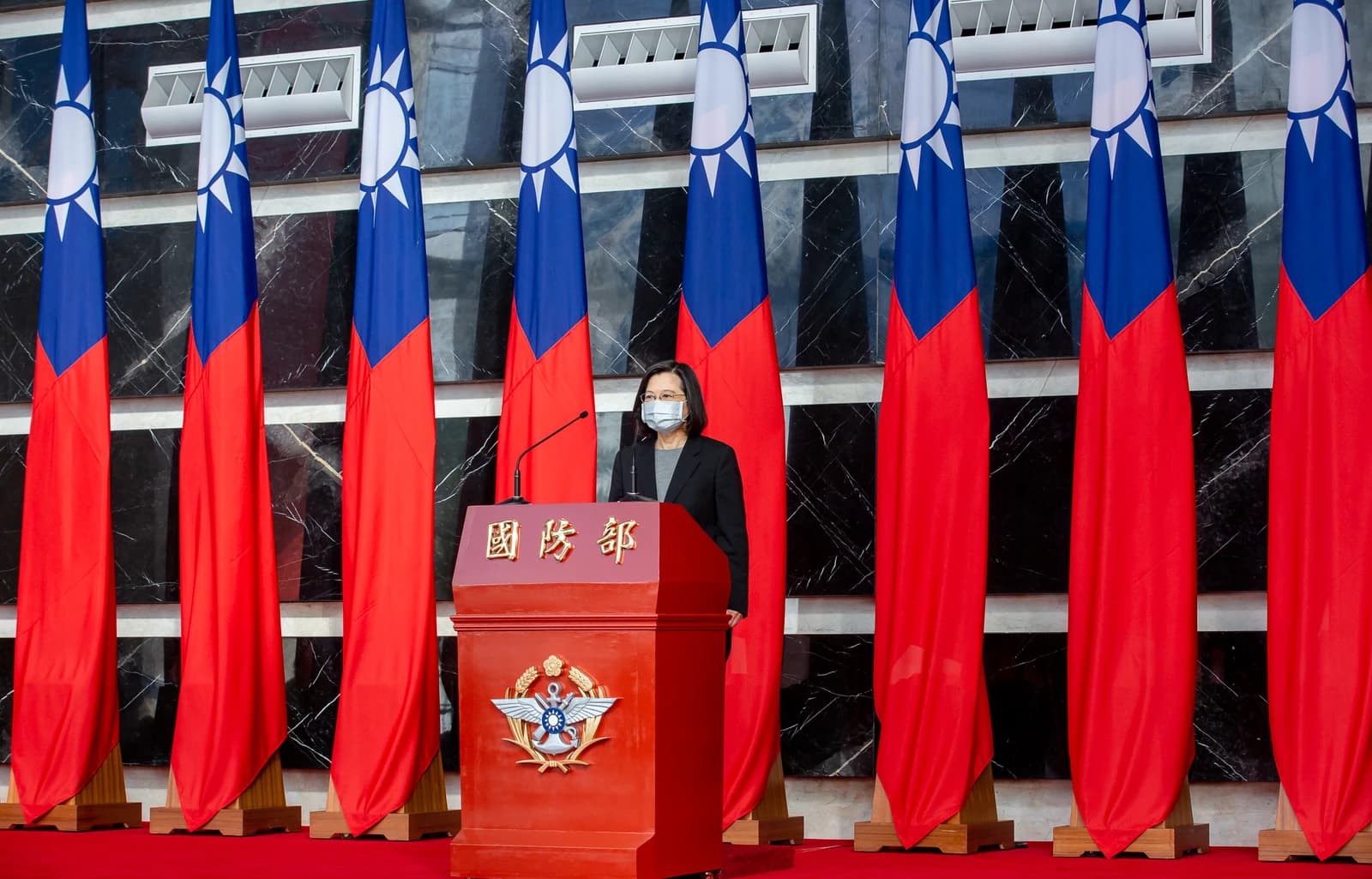
Taiwan’s latest invasion drill is a reminder that the island’s biggest economic risk is not just geopolitical theater — it is the possibility of a shock that could rattle global supply chains, semiconductors and Asian equities in one move.
For investors, that matters because Taiwan sits at the center of the world’s most important chip ecosystem. Any escalation in the Taiwan Strait would immediately raise the stakes for Taiwan Semiconductor Manufacturing, the broader technology supply chain and funds tied to the island’s market, even if day-to-day trading remains calm. The message from Taipei is that the island is not assuming deterrence will hold on its own.
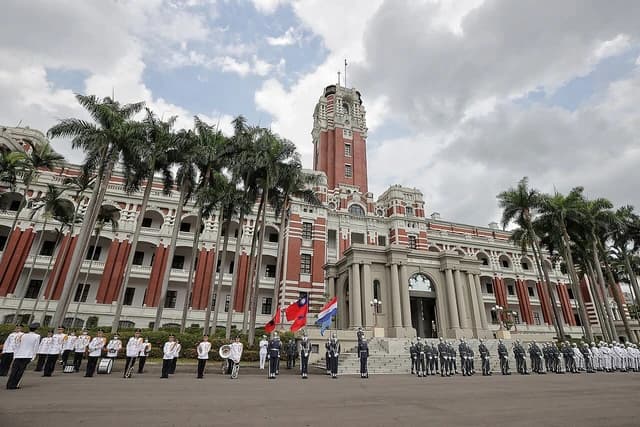
The drill in Kaohsiung, which halted traffic and tested civilian emergency response, fits a broader shift in Taiwan’s defense planning toward asymmetric warfare. Rather than trying to match China ship for ship or plane for plane, Taiwan is leaning into drones, unmanned attack boats, missiles and artillery — the kind of low-cost, high-impact tools that can make any invasion attempt much more expensive. That is a rational strategy for a smaller economy, but it is also a sign that security planning has become a permanent feature of Taiwan’s economic backdrop.
That backdrop matters far beyond politics. Taiwan is home to the semiconductor factories that underpin everything from smartphones to AI servers, and TSM is the clearest stock-market expression of that strategic importance. TSM shares have been powerful over the long run, and the stock recently traded around $420, well above its 200-day moving average of roughly $359, showing investors still value its unmatched role in advanced chip manufacturing. Taiwan’s iShares MSCI Taiwan ETF, EWT, has also rebounded to about $103 after a sharp mid-year swoon, while the China-focused FXI has lagged near $36, underscoring how investors keep separating Taiwan’s technology franchise from the broader China trade.
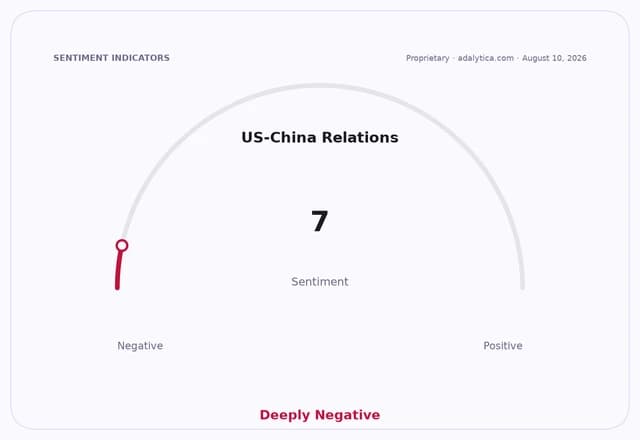
The market is not pricing in an immediate crisis. But it is also not ignoring the risk. TSM’s recent price action has been resilient, though its momentum indicators have cooled from overheated levels, and EWT has recovered from oversold conditions after July’s drop. That kind of pricing suggests investors are willing to own Taiwan exposure for the long term, but they are also aware that geopolitical risk is not theoretical. For companies with supply chains tied to the island, even the perception of a higher threat environment can affect capital spending, insurance costs, logistics planning and customer diversification.
This is why Taiwan’s defense posture matters economically. The more the island can convince markets, customers and Washington that it can absorb pressure, the less likely investors are to assign a deep geopolitical discount to its chip champions and equity market. If deterrence looks credible, TSM’s secular growth story — driven by AI, advanced packaging and the global race for leading-edge chips — can keep dominating the investment case. If deterrence weakens, the valuation debate changes fast.
For long-term investors, the takeaway is straightforward: Taiwan remains one of the world’s most important strategic markets, and its security planning is now part of the investment thesis. TSM remains a high-quality compounder, EWT offers diversified exposure to the island’s economy, and FXI shows how different the China risk premium can look. The smart move is not to trade every headline, but to respect the risk, stay diversified and keep Taiwan on the watchlist for the next 3 to 10 years.
| Entity | Gains | Losses |
|---|---|---|
| Taiwan / TSM | ▲stronger deterrence, resilience premium | ▼higher defense burden, ongoing risk discount |
| EWT holders | ▲diversified Taiwan exposure | ▼volatility from any Strait escalation |
| FXI / China equities | ▲relative stability if tensions stay contained | ▼spillover fear if rhetoric hardens |
| Global chip buyers | ▲clearer supply-chain planning if deterrence holds | ▼disruption risk if tensions worsen |